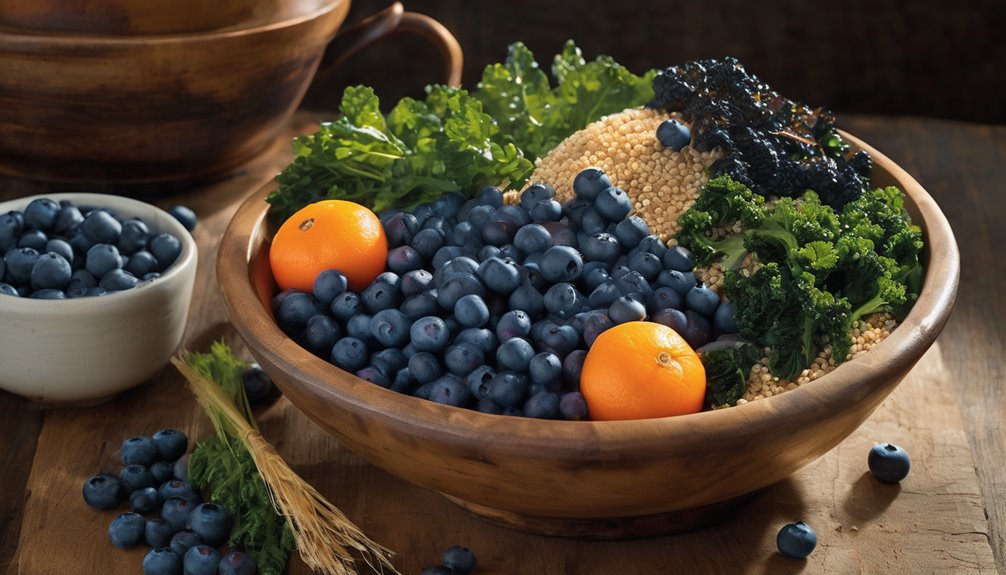
Fiber is essential for weight loss, as it promotes satiety and helps regulate blood sugar levels. When you incorporate fiber-rich foods into your meals, you’re likely to feel fuller for longer, which can lead to reduced calorie intake. But not all fibers are created equal. Understanding the different types can significantly impact your weight management journey. Curious about which fibers are most effective and how to easily add them to your diet?
Understanding Fiber’s Role in Weight Loss
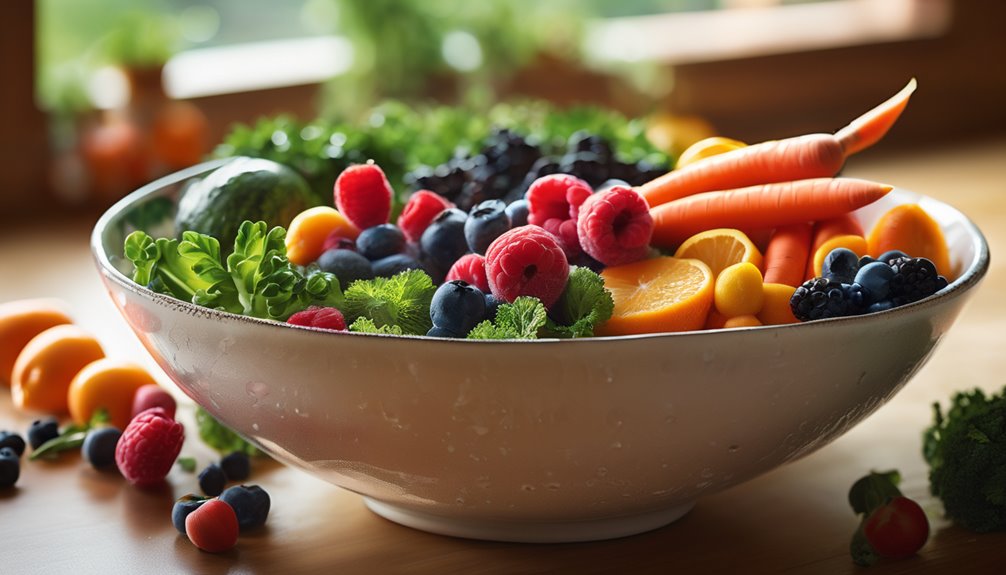
When it comes to weight loss, understanding fiber’s role can make a significant difference in your approach.
There are two main fiber types: soluble and insoluble. Soluble fiber dissolves in water, forming a gel-like substance, which can help regulate blood sugar levels and lower cholesterol.
Insoluble fiber, on the other hand, adds bulk to your stool and promotes regular bowel movements. This contributes to your digestive benefits by preventing constipation and promoting a healthy gut.
Incorporating both types into your diet can enhance your overall digestive health, making it easier to maintain a healthy weight.
Foods rich in fiber, like fruits, vegetables, and whole grains, can nourish your body while supporting your weight loss journey effectively.
How Fiber Keeps You Full and Satisfied
Fiber plays a crucial role in keeping you full and satisfied, as it slows down digestion and promotes a longer feeling of satiety. When you consume fiber-rich foods, they expand in your stomach, activating satiety signals that help you feel full.
This process not only curbs hunger but also aids in hunger regulation by stabilizing blood sugar levels. As your body digests fiber slowly, it prevents spikes and drops in energy, reducing cravings.
Additionally, fiber encourages the production of hormones that signal fullness, helping you resist the urge to snack between meals. By integrating fiber into your diet, you’re more likely to maintain a healthy weight and enjoy sustained energy throughout the day.
Which Fiber Types Help You Lose Weight?
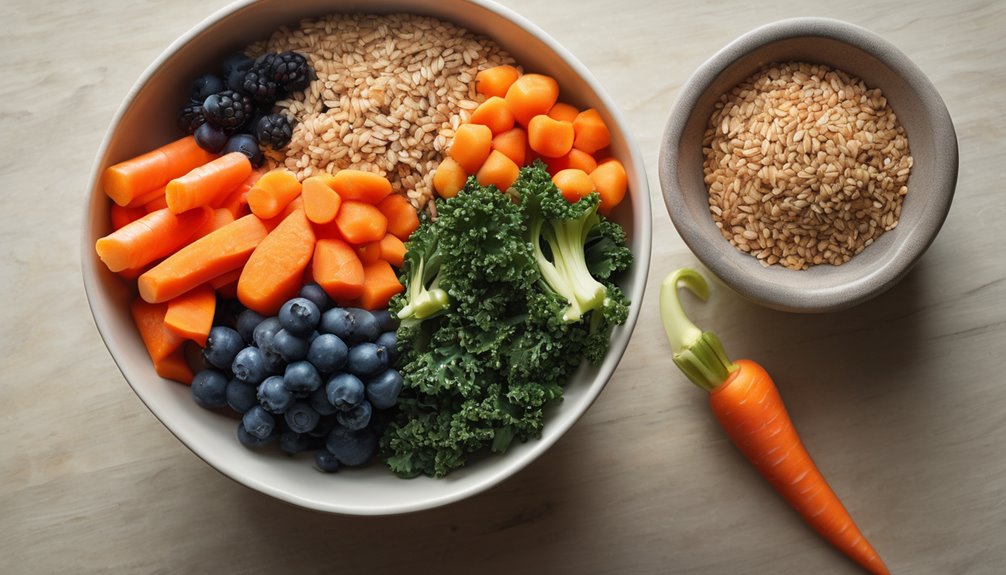
Although many types of fiber can aid in weight loss, soluble and insoluble fibers stand out for their unique benefits. Incorporating both types into your diet helps maintain fiber balance, enhancing your overall health.
- Soluble Fiber: Found in oats, beans, and fruits, it slows digestion, helping you feel full longer and stabilizing blood sugar levels.
- Insoluble Fiber: Present in whole grains and vegetables, it adds bulk to your stool, promoting regularity and aiding digestion.
- Fiber Supplements: If you struggle to meet your fiber intake, these can be an effective way to boost your daily fiber sources.
How Fiber Supports Healthy Digestion and Weight Loss
Eating a diet rich in fiber not only promotes healthy digestion but also plays a crucial role in weight loss. When you consume adequate fiber sources, like fruits, vegetables, and whole grains, you enhance your digestive health.
Fiber adds bulk to your meals, helping you feel full longer, which can curb overeating. Additionally, it aids in regular bowel movements and prevents constipation, ensuring your digestive system runs smoothly.
The digestion benefits of fiber include a balanced gut microbiome, which can further support weight management. By incorporating fiber into your diet, you not only improve digestion but also create an environment conducive to losing weight effectively.
Prioritizing fiber-rich foods can be a game changer in your weight loss journey.
Fiber and Blood Sugar Control
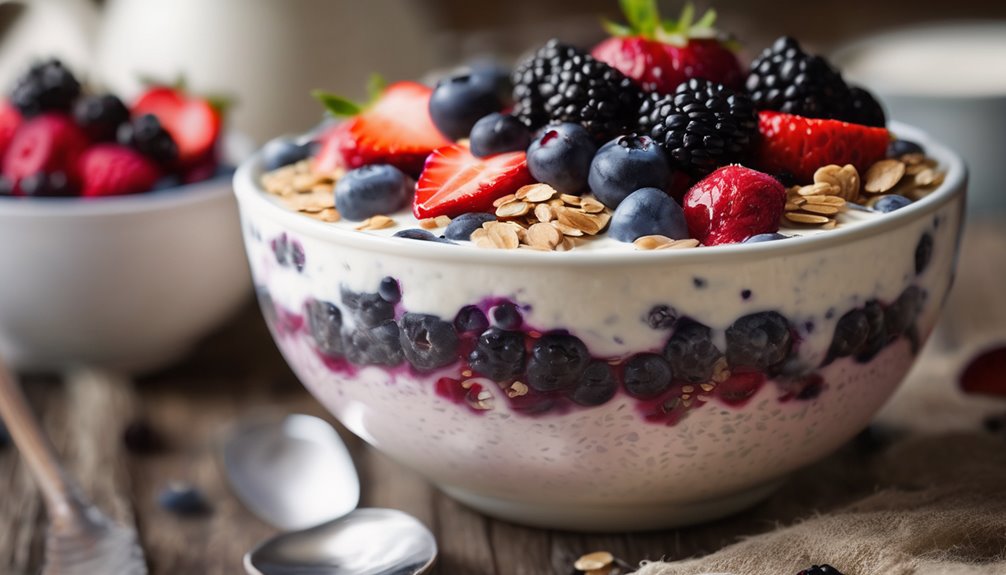
Maintaining stable blood sugar levels is another benefit of a fiber-rich diet. When you consume fiber, it slows down digestion and promotes better fiber metabolism, leading to more gradual increases in blood sugar.
Here are three key ways fiber helps manage blood sugar:
- Slows Absorption: Soluble fiber forms a gel-like substance in your gut, which slows the absorption of sugars.
- Enhances Satiety: Fiber-rich foods keep you feeling full longer, reducing the temptation to snack on high-sugar foods.
- Improves Insulin Sensitivity: A diet high in fiber can enhance insulin sensitivity, helping your body regulate blood sugar more effectively.
Incorporating more fiber into your meals can significantly contribute to better blood sugar control and overall health.
Top 10 Fiber-Rich Foods to Boost Your Weight Loss
Incorporating fiber-rich foods into your diet can be a game-changer for weight loss. Start with quinoa salads, which provide protein and fiber to keep you full longer.
Chia pudding is a fantastic breakfast option, packed with omega-3s and fiber. Lentil soups are hearty and nutritious, making them perfect for lunch. Choose whole grain options like bread and pasta for added fiber.
Vegetable smoothies can be a refreshing, fiber-rich snack. For a quick energy boost, opt for fruit snacks or nut butters. Don’t forget fiber supplements if you need a little extra help.
Oatmeal bowls topped with fruits and nuts also make for satisfying meals. Finally, bean dips can add flavor and fiber to any snack platter.
Easy Ways to Boost Your Fiber Intake
Boosting your fiber intake doesn’t have to be complicated. Here are three easy ways to get started:
- Start with Breakfast: Choose high fiber breakfast options like oatmeal or whole grain toast. You can even add fiber supplements if needed.
- Snack Smart: Keep fiber snacks handy, such as fruits, nuts, or fiber bars. These are great alternatives to sugary treats.
- Incorporate Fiber Drinks: Try fiber drinks or smoothies packed with fruits and veggies. They’re not only tasty but also a fun way to increase fiber for kids.
Planning fiber meal plans can also help you include fiber desserts.
Debunking Common Myths About Fiber and Weight Loss
While many people believe that simply adding fiber to their diet guarantees weight loss, this misconception can lead to disappointment.
Fiber’s role in weight loss is often overstated. It’s true that fiber can help you feel full, but it won’t magically melt away pounds. Many fiber myths suggest that all fiber sources are equal; in reality, whole foods like fruits and vegetables offer more benefits than processed fiber supplements.
Additionally, some think high-fiber diets allow for unlimited calorie intake. However, moderation is key.
It’s essential to combine fiber with a balanced diet and regular exercise for effective weight management. By understanding these fiber misconceptions, you can create a more realistic approach to achieving your weight loss goals.
Frequently Asked Questions
Can I Get Enough Fiber From Supplements Alone?
You can’t get enough fiber from supplements alone. Different fiber supplement types affect fiber absorption rates, but whole foods provide essential nutrients and benefits that supplements can’t match. Aim for a balanced diet rich in fiber.
How Much Fiber Should I Consume Daily for Weight Loss?
Think of fiber as your weight loss ally. Aim for the recommended intake of 25-30 grams daily, sourced from whole grains, fruits, and veggies. These natural fiber sources keep you satisfied and energized throughout the day.
Is Too Much Fiber Harmful for My Health?
Yes, too much fiber can be harmful. It may cause digestive issues like bloating and gas. Focus on balanced fiber sources, such as fruits and vegetables, to support your digestive health without overdoing it.
Does Cooking Affect the Fiber Content in Foods?
Cooking’s like a dance; some methods preserve fiber better than others. Steaming and microwaving maintain more fiber retention compared to boiling, which can leach nutrients. Choose your cooking methods wisely to keep fiber intact!
Can Fiber Help Reduce Cravings for Unhealthy Snacks?
Yes, fiber can reduce cravings for unhealthy snacks by enhancing satiety signals. When you choose fiber-rich snack alternatives, you’ll feel fuller longer, making it easier to resist those tempting, less nutritious options.
Conclusion
Incorporating fiber into your diet is like adding a safety net to your weight loss journey. Just as a tightrope walker relies on a sturdy net below to catch them, fiber supports your efforts by keeping you full and regulating blood sugar levels. Studies show that individuals who consume more fiber tend to weigh less and maintain healthier eating patterns. So, think of fiber as your ally—one that not only helps you feel satisfied but also keeps your weight loss goals on track.