Did you know that nearly 70% of adults in the U.S. are trying to lose weight? If you’re among them, creating a weight loss meal plan can feel daunting. But it doesn’t have to be complicated. By focusing on balanced nutrition and practical strategies, you can set yourself up for success. Ready to explore essential ingredients and tips that can simplify your journey? Let’s break it down together.
Common Challenges in Meal Planning for Weight Loss

When you start meal planning for weight loss, you might face several common challenges that can derail your efforts. One major hurdle is grocery shopping. It’s easy to get overwhelmed by choices or tempted by unhealthy options, which can sabotage your progress.
To tackle this, create a detailed grocery list based on your meal plan, and stick to it.
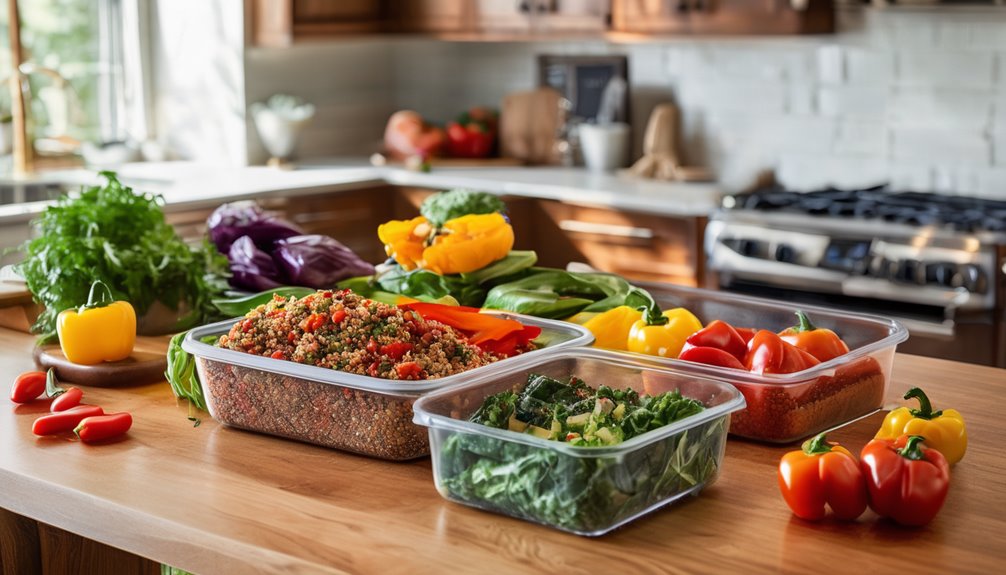
Another challenge is meal prepping. Finding time in your busy schedule can feel daunting. However, dedicating a few hours each week can save you time and stress later.
Consider batch cooking and portioning meals in advance.
Overcoming these challenges is key to staying on track and achieving your weight loss goals, so take it one step at a time.
Essential Ingredients for Nutritious Weight Loss Meals
Successfully overcoming challenges in meal planning opens the door to creating nutritious weight loss meals.
Focus on incorporating healthy fats and fiber sources into your diet. Healthy fats, like avocados, nuts, and olive oil, help keep you satiated and support overall health. Aim for fiber-rich foods, such as whole grains, fruits, and vegetables, which aid digestion and promote fullness.
When you choose ingredients, think about balance. Combine lean proteins, like chicken or legumes, with your healthy fats and fiber sources for a well-rounded meal.
This approach not only keeps your meals exciting but also ensures you’re getting essential nutrients while working toward your weight loss goals.
Portion Control for Your Weight Loss Meal Plan
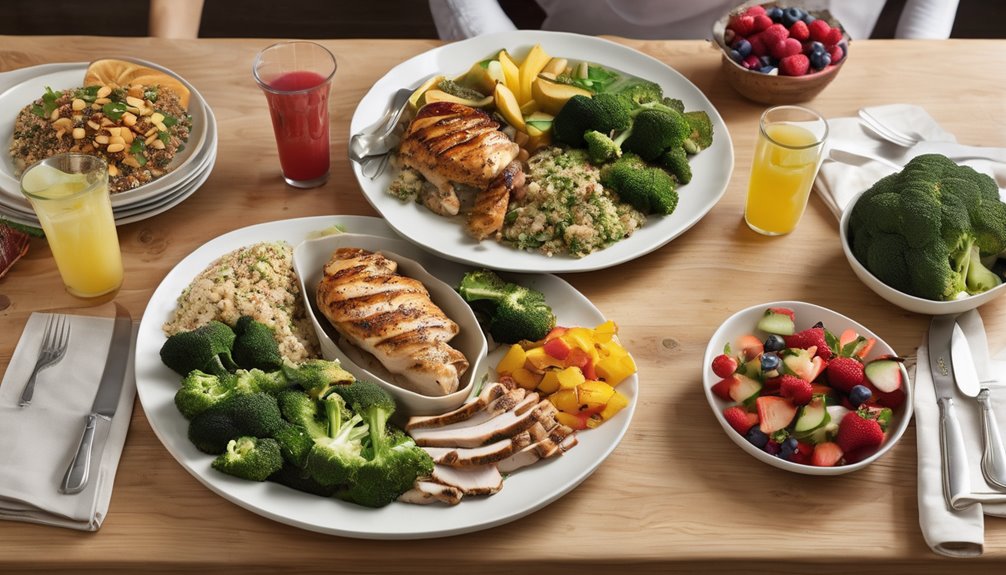
Effective portion control is crucial for achieving your weight loss goals, as it helps you manage calorie intake without feeling deprived. By understanding caloric balance, you can enjoy your favorite foods in moderation.
Start by using smaller plates and bowls to visually trick your brain into thinking you’re eating more. Practice mindful eating—focus on your food, savor each bite, and recognize when you’re satisfied. This approach not only enhances your dining experience but also helps prevent overeating.
Tracking your portions can further reinforce this habit and help you stay accountable. Remember, it’s not just about what you eat, but how much. Implementing these strategies will make your weight loss journey more sustainable and enjoyable.
Easy Recipes to Support Your Weight Loss Journey
To support your weight loss journey, incorporating easy and nutritious recipes can make all the difference. Focus on simple snacks that satisfy your cravings without derailing your progress.
For instance, swap out chips for air-popped popcorn sprinkled with your favorite spices. When it comes to meals, consider a quinoa salad with mixed veggies and a light vinaigrette; it’s filling and packed with nutrients.
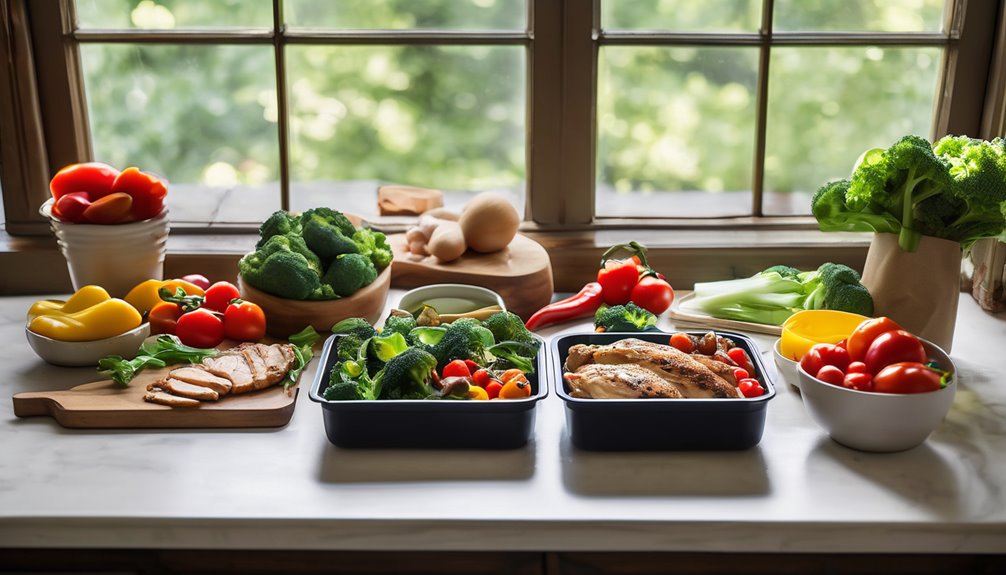
You can also prepare baked chicken with steamed broccoli, a dish that’s both easy and delicious. Remember, healthy swaps don’t have to be complicated—use Greek yogurt instead of sour cream or whole grain bread instead of white.
How to Stay Motivated During Your Weight Loss Journey
Staying motivated during your weight loss journey can feel challenging, especially when progress seems slow. To help you stay on track, start with clear goal setting.
Break your larger goals into smaller, achievable milestones that you can celebrate along the way. This makes the process feel more manageable and rewarding.
Consider finding an accountability partner. Sharing your goals with someone who supports you can make a significant difference. They can encourage you during tough times and help keep you honest about your commitments.
Regularly revisit your goals and adjust them as needed. Remember, it’s okay to have setbacks; what’s important is how you respond.
Stay focused on your progress and remind yourself why you started this journey in the first place.
Common Mistakes to Avoid in Meal Planning
While planning your meals can seem straightforward, many people fall into common traps that undermine their efforts. One major mistake is skipping meal prep. Without it, you’re more likely to grab unhealthy options when hunger strikes. Make sure to set aside time each week for this vital step.
Another pitfall is neglecting budgeting tips. You don’t need to overspend on fancy ingredients to eat healthily. Stick to seasonal produce and bulk items to save money.
Lastly, avoid rigid meal plans that don’t allow for flexibility. Life happens, and having a backup option can keep you on track.
Frequently Asked Questions
How Do I Calculate My Daily Caloric Needs for Weight Loss?
To calculate your daily caloric needs for weight loss, determine your maintenance calories, then create a caloric deficit. Aim for a balanced macronutrient ratio to ensure you’re fueling your body properly while losing weight.
Should I Avoid Carbohydrates Completely for Weight Loss?
No, you shouldn’t avoid carbohydrates completely. Focus on healthy alternatives like whole grains and fruits. Different carbohydrate types can fuel your body effectively while supporting weight loss when consumed in balanced portions.
Can I Eat Snacks While Following a Weight Loss Meal Plan?
Absolutely, you can enjoy snacks while following a weight loss meal plan! Opt for healthy choices like fresh fruit or nuts, balancing your intake to satisfy hunger without derailing progress. Snack options can support your goals effectively.
How Often Should I Change My Meal Plan?
You should change your meal plan every 4 to 6 weeks. This keeps your meals exciting and helps prevent plateaus. Incorporating variety in your meal plan duration enhances nutrient intake and maintains your motivation.
Is Intermittent Fasting Effective for Beginners?
Yes, intermittent fasting can be effective for beginners. It offers benefits like improved metabolism and better focus. Start with a simple schedule, and remember to stay hydrated and balanced during eating windows for optimal results.
Conclusion
Embarking on your weight loss journey doesn’t have to feel overwhelming. By focusing on simple meal planning, balanced nutrition, and mindful eating habits, you’re setting yourself up for success. Remember, every small change you make adds up—just like drops in a bucket eventually fill it. Stay consistent, embrace the process, and keep experimenting with new recipes. With determination and the right tools, you’ll not only reach your goals but also cultivate a healthier lifestyle for the long haul.