
Imagine a wave of sweetness crashing over you, drawing you in with its allure. Sugar cravings can feel overwhelming, but understanding what triggers them is the first step in gaining control. By focusing on balanced nutrition and mindful strategies, you can effectively curb these urges and reclaim your dietary choices. Let’s explore practical methods to manage these cravings and find healthier alternatives that satisfy your sweet tooth.
What Causes Sugar Cravings? Understanding the Triggers

When you find yourself craving sugar, it often stems from a combination of biological and emotional triggers. Hormonal imbalances, particularly those related to insulin and cortisol, can increase your cravings.
Stress factors and lifestyle habits—like inadequate sleep or high-intensity workouts—further exacerbate these urges. Dietary deficiencies, especially in nutrients like magnesium or chromium, can lead to psychological cravings for sweets as your body seeks quick energy sources.
Environmental cues, such as seeing sugary treats or being around others who indulge, can also activate habit loops that reinforce your desire for sugar.
Nutrition Tips to Curb Sugar Cravings
Addressing the underlying triggers of sugar cravings is just the first step; nutrition plays a pivotal role in managing them effectively.
Here are some practical tips to help you curb those cravings:
- Opt for balanced meals rich in nutrient density to keep you satisfied.
- Increase your fiber intake with fruits, vegetables, and whole grains to stabilize blood sugar.
- Stay mindful of hydration levels; sometimes thirst masquerades as hunger.
- Choose healthy snacks like nuts or yogurt to minimize the urge for sweets.
- Be aware of meal timing; regular meals can prevent emotional eating and cravings for sugar.
Incorporating these strategies will help you take control and reduce those pesky sugar cravings.
Daily Strategies to Curb Sugar Cravings Effectively

To effectively curb sugar cravings, integrating daily strategies into your routine can make a significant difference.
Start by opting for sugar substitutes like stevia or erythritol to satisfy your sweet tooth without the added calories.
Recognize emotional eating triggers; when stress strikes, practice stress management techniques such as deep breathing or meditation instead of reaching for sugary snacks.
Don’t underestimate hydration importance; drinking water can curb cravings and keep your body functioning optimally.
Lastly, prioritize sleep; insufficient rest impacts hunger hormones, making you more susceptible to cravings.
How Mindful Eating Can Help Reduce Cravings
Mindful eating can be a powerful tool in reducing sugar cravings, as it encourages you to pay attention to your body’s hunger signals and the experience of eating itself.
By practicing mindful awareness, you can transform your relationship with food, helping you combat emotional eating effectively. Here are some strategies to enhance your mindful eating practice:
- Food journaling: Track what you eat and how it makes you feel.
- Portion control: Serve smaller portions to avoid overeating.
- Eating pace: Slow down and savor each bite for better satisfaction.
- Sensory experience: Focus on taste, texture, and aroma to enhance enjoyment.
- Gratitude practice: Appreciate your meals, fostering a positive mindset.
Incorporating these strategies into your meal preparation can significantly reduce cravings.
Best Foods to Satisfy Your Sweet Tooth Without Sugar
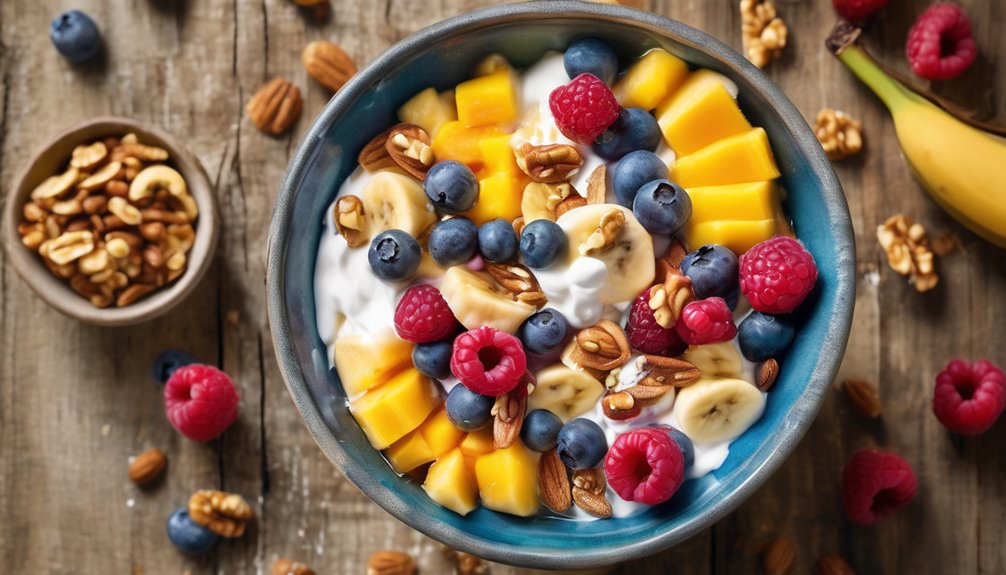
While you may crave something sweet, there are plenty of delicious alternatives that can satisfy your sweet tooth without added sugar. Consider fruit alternatives like berries or bananas, which provide natural sweetness along with fiber.
For a quick treat, try healthy desserts like yogurt parfaits layered with nuts and granola. Dark chocolate also makes a satisfying option; just choose varieties with at least 70% cocoa for a lower sugar content.
You can also whip up oat snacks sweetened with natural sweeteners like maple syrup or honey. Smoothie bowls topped with nut butters and seeds can offer a creamy, indulgent experience without the guilt.
These options keep your cravings in check while nourishing your body.
Find Support to Manage Sugar Cravings
Finding satisfying alternatives to sugar is just one step in managing cravings. To strengthen your resolve, consider tapping into various support systems. Engaging with others can provide the motivation and accountability you need.
Here are some effective options:
- Join diet groups focused on reducing sugar intake
- Find accountability partners who share your goals
- Utilize online forums for advice and encouragement
- Explore community resources that offer workshops or classes
- Experiment with sugar alternatives while sharing experiences
Creating Lasting Change: Long-Term Solutions for Your Diet
To create lasting change in your diet, it’s essential to adopt strategies that go beyond temporary fixes. Start by focusing on habit formation; small, consistent changes lead to sustainable choices.
Identify emotional triggers that drive your sugar cravings and develop alternative coping strategies. Prioritize balanced meals that include protein, healthy fats, and fiber to stabilize blood sugar levels.
Implement nutrient timing by eating at regular intervals to prevent hunger spikes. Make lifestyle adjustments like incorporating stress management techniques—yoga or meditation can help curb cravings.
Lastly, explore food substitutions; swap sugary snacks for fruits or nuts. These practical steps will help you build a healthier relationship with food and reduce sugar cravings over time.
Frequently Asked Questions
Can Certain Medications Increase My Sugar Cravings?
Yes, certain medication types, like antidepressants or corticosteroids, can increase sugar cravings due to hormonal influences. If you notice changes in your cravings, consult your healthcare provider for personalized advice and potential adjustments.
Are Sugar Cravings Hereditary or Genetic?
Sugar cravings can feel like a family curse! While there’s no sugar addiction gene, genetic predisposition plays a role in how your body processes sugar, influencing your cravings. Awareness helps you manage them effectively.
How Do Stress and Sleep Affect Sugar Cravings?
Stress hormones can increase your cravings for sugar, while poor sleep quality disrupts your body’s balance, making you seek quick energy sources. Managing stress and improving sleep can help reduce those persistent cravings effectively.
Do Sugar Cravings Differ Between Genders?
Yes, sugar cravings can differ between genders due to hormonal fluctuations and cultural influences. Women often experience stronger cravings related to their menstrual cycles, while societal factors may shape both genders’ relationships with sugar and food.
Can Exercise Help Reduce Sugar Cravings?
Absolutely, exercise can help reduce sugar cravings. Picture yourself jogging or dancing; as you move, endorphins flood your body, boosting mood and curbing those sweet desires. Activities like strength training or yoga also contribute effectively.
Conclusion
By understanding your triggers and incorporating nutrient-dense foods, you can effectively curb those pesky sugar cravings. Staying hydrated and practicing mindful eating not only helps you enjoy your meals but also reduces the urge to snack mindlessly. Remember, finding healthier alternatives like fruit or dark chocolate can satisfy your sweet tooth without the added sugars. With consistent effort and support, you’ll create lasting changes in your diet that promote overall well-being and reduce cravings for good.