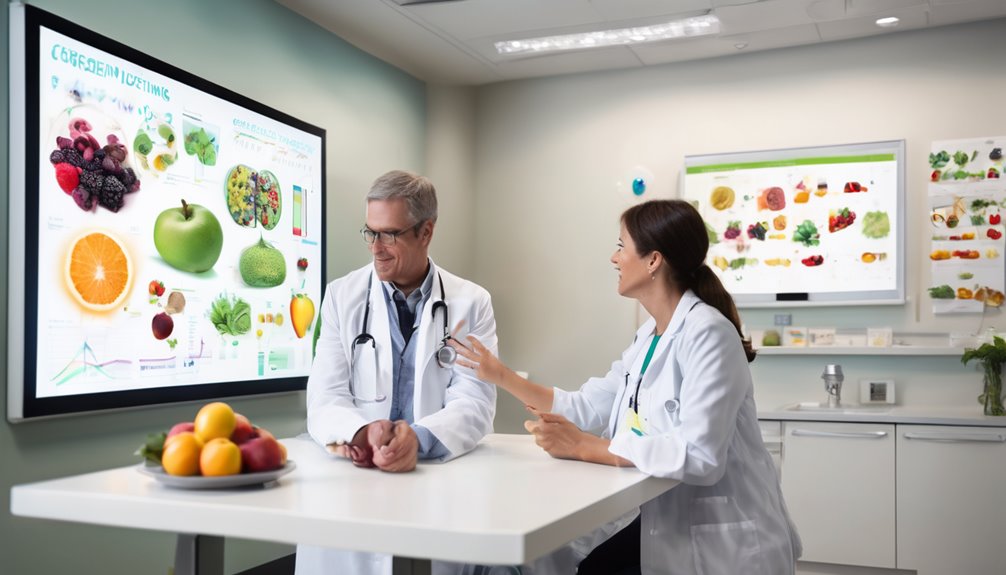
If you’re on GLP-1 medications, you might notice changes in your digestive health, particularly constipation. This can stem from how these drugs affect gut motility. Understanding the underlying mechanisms is crucial for managing this side effect effectively. Implementing specific dietary and lifestyle adjustments can significantly alleviate discomfort. Let’s explore the strategies that can help improve your situation and maintain your digestive balance.
What GLP-1 Medications Do to Your Gut

When you take GLP-1 medications, they can significantly affect your gut function. These drugs influence your gut microbiome, which plays a crucial role in digestion and overall health.
By altering the composition of this microbiome, GLP-1 medications can impact how well your body absorbs nutrients and processes food. Additionally, these medications may modify the secretion of digestive enzymes, which are essential for breaking down food.
When digestive enzymes are affected, the efficiency of digestion can decline, leading to potential gastrointestinal issues. Understanding these changes can help you anticipate how GLP-1 medications may influence your gut health and digestion.
Monitoring your body’s responses is key to managing any side effects during your treatment.
Why GLP-1 Medications Cause Constipation?
GLP-1 medications can lead to constipation primarily due to their effect on gastrointestinal motility. These drugs work through GLP-1 mechanisms, which slow down the movement of food through your digestive tract.
By enhancing insulin secretion and inhibiting glucagon release, they can alter gut motility, making it less efficient. This slowdown in gut motility can lead to increased transit time, causing stool to become harder and more difficult to pass.
Additionally, GLP-1 medications can decrease gastric emptying, further contributing to constipation. As your body adjusts to these changes, you may experience varying degrees of discomfort.
Understanding this connection helps you anticipate and manage potential gastrointestinal side effects effectively while using GLP-1 medications.
Dietary Changes for GLP-1 Medication Users

To effectively manage constipation while using GLP-1 medications, incorporating specific dietary changes can be beneficial.
Focus on increasing your intake of fiber sources, such as fruits, vegetables, whole grains, and legumes. Aim for at least 25-30 grams of fiber daily to enhance bowel movements.
Additionally, consider your meal timing; eating smaller, more frequent meals can help regulate digestion and minimize discomfort. This approach can also mitigate the side effects of GLP-1 medications.
It’s important to gradually introduce fiber into your diet to prevent bloating and gas. Pair these changes with a balanced diet to support overall digestive health.
How Staying Hydrated Relieves Constipation
Incorporating adequate hydration into your daily routine can significantly alleviate constipation, especially for those using GLP-1 medications. Proper fluid intake helps soften stool, making it easier to pass.
When you’re well-hydrated, your digestive system functions more efficiently, promoting regular bowel movements. The hydration benefits extend beyond just bowel health; adequate fluids support overall bodily functions, including nutrient absorption and waste elimination.
Aim for at least eight 8-ounce glasses of water daily, adjusting for activity level and climate. Remember, beverages like herbal teas and broths also contribute to your fluid intake.
Activities That Help Digestion

Engaging in regular physical activity can significantly enhance digestion and alleviate constipation. Incorporating walking routines into your daily life can stimulate intestinal motility, making it easier for your body to process food. Aim for at least 30 minutes of brisk walking most days; it’s a simple yet effective way to promote gut health.
Additionally, practicing specific yoga poses can further aid digestion. Poses like the seated forward bend or supine twist help massage the abdominal organs, improving circulation and encouraging bowel movement.
Combining these activities not only supports your digestive system but also enhances overall well-being. By integrating walking and yoga into your routine, you create a proactive approach to managing constipation effectively.
Natural Remedies for Constipation Relief
While conventional treatments for constipation are widely known, natural remedies can offer effective relief with fewer side effects.
Incorporating adequate fiber sources into your diet is crucial; aim for fruits, vegetables, whole grains, and legumes. These fiber-rich foods enhance stool bulk and promote regular bowel movements.
Additionally, consider adding probiotic foods like yogurt, kefir, and fermented vegetables. Probiotics support gut health by balancing intestinal bacteria, which can further aid digestion and improve bowel function.
Staying hydrated is also essential; water helps fiber work efficiently.
When to See a Doctor About Constipation?
When should you consider seeking medical attention for constipation? If you experience persistent discomfort lasting more than a week, it’s time to consult a doctor.
Be symptom-aware; look for signs like severe abdominal pain, blood in your stool, or unexplained weight loss. These symptoms could indicate a more serious underlying condition.
Additionally, if over-the-counter treatments aren’t providing relief or if you notice a sudden change in bowel habits, don’t hesitate to seek professional advice.
A healthcare provider can offer tailored treatment options, possibly adjusting your GLP-1 medication or suggesting alternative therapies.
Frequently Asked Questions
Can GLP-1 Medications Affect Bowel Movements Differently for Each Person?
Yes, GLP-1 medications can affect bowel movements differently for each person. Individual responses vary, and medication adjustments may be necessary to manage side effects effectively. Monitoring your symptoms is essential for optimal treatment outcomes.
Are There Specific Foods to Avoid While on GLP-1 Medications?
While on GLP-1 medications, you should avoid high-fat, processed foods and limit dairy. Focus on maintaining adequate fiber intake and hydration levels to promote regular bowel movements and minimize gastrointestinal discomfort.
How Long Does Constipation Typically Last on GLP-1 Medications?
Constipation duration on GLP-1 medications varies, often lasting days to weeks. These medications can slow digestion, causing discomfort. If it persists, consult your healthcare provider to discuss potential adjustments or remedies tailored for you.
Do GLP-1 Medications Interact With Over-The-Counter Laxatives?
GLP-1 medications can interact with over-the-counter laxatives, potentially affecting laxative effectiveness. It’s crucial you consider medication timing; taking them at different times may enhance results and minimize any adverse interactions. Always consult your healthcare provider.
Can Exercise Routines Exacerbate Constipation for GLP-1 Users?
Yes, high exercise intensity can exacerbate constipation for GLP-1 users. Insufficient hydration levels during intense workouts may worsen this issue, so ensure you stay well-hydrated to support digestive health while maintaining your exercise routine.
Conclusion
In managing constipation while on GLP-1 medications, remember that your gut’s health is crucial. By staying hydrated, increasing fiber intake, and engaging in regular physical activity, you can alleviate discomfort effectively. Think of your digestive system as a classic car; it needs the right fuel and maintenance to run smoothly. If symptoms persist despite these efforts, don’t hesitate to consult your healthcare provider. Your comfort and well-being should always come first.