You might think meal prep takes too much time, but it actually streamlines your healthy eating efforts. By planning and preparing meals in advance, you can easily control portions and ingredients, making weight loss more achievable. You’ll find that dedicating just a few hours each week can transform your routine and keep you on track. Discover how to get started and make your meal prep both efficient and enjoyable.
Why Meal Prep Is Essential for Weight Loss
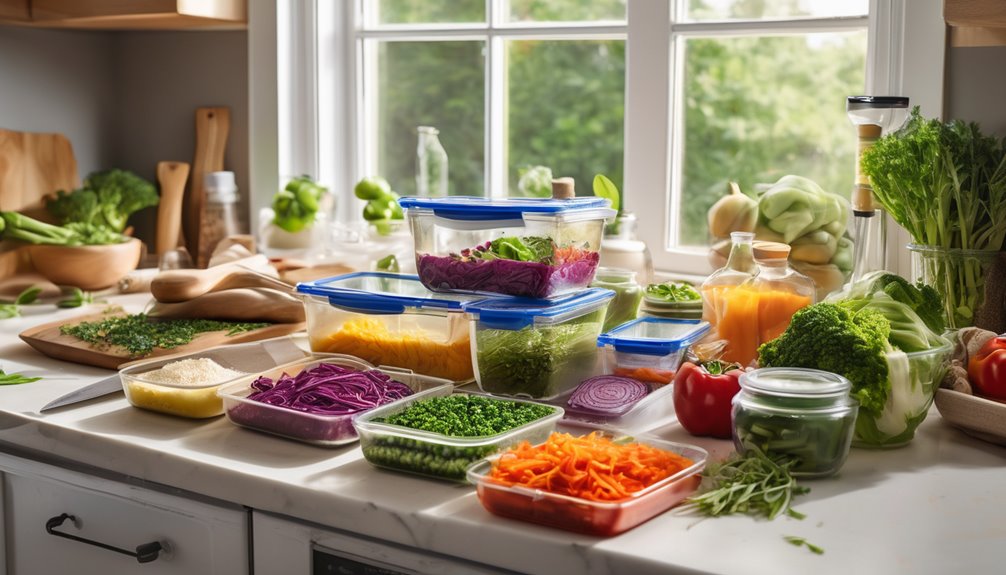
When you embrace meal prep, you’re not just organizing your meals—you’re setting yourself up for weight loss success. By planning your meals ahead, you can easily maintain a caloric deficit, which is crucial for shedding pounds.
Preparing nutrient-dense foods ensures you’re fueling your body with vitamins and minerals while keeping calories in check. When you control portion sizes and ingredients, you avoid those impulsive, high-calorie choices that often derail your efforts.
Plus, having healthy meals ready to go reduces the temptation to grab fast food or snacks that don’t align with your goals. Ultimately, meal prep empowers you to take charge of your nutrition, making weight loss not just a possibility, but a sustainable lifestyle change.
Must-Have Tools and Containers for Meal Prep
To successfully navigate meal prep for weight loss, having the right tools and containers at your disposal is essential.
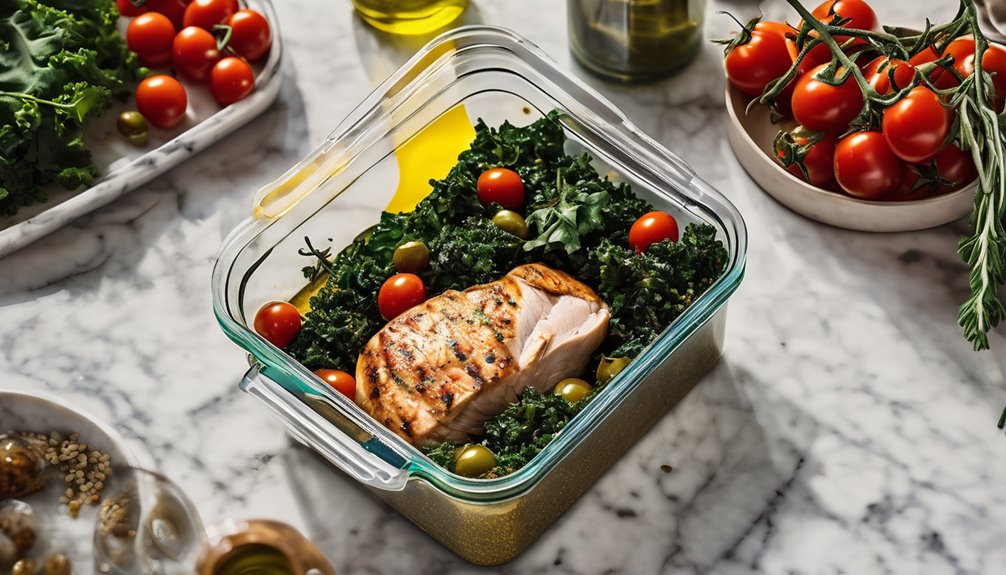
Start with high-quality meal prep containers. Look for ones that are BPA-free, microwave-safe, and come in various sizes to accommodate different portions. Glass containers are durable and help keep food fresh.
Next, invest in essential kitchen tools like a sharp knife, cutting board, and measuring cups. A good food scale can also help you accurately portion out your meals, ensuring you stay on track.
Don’t forget a blender or food processor for smoothies and sauces. With these tools and containers, you’ll streamline your meal prep process, making it easier to stick to your weight loss goals.
Step-By-Step Guide to Planning Your Weekly Meal Prep
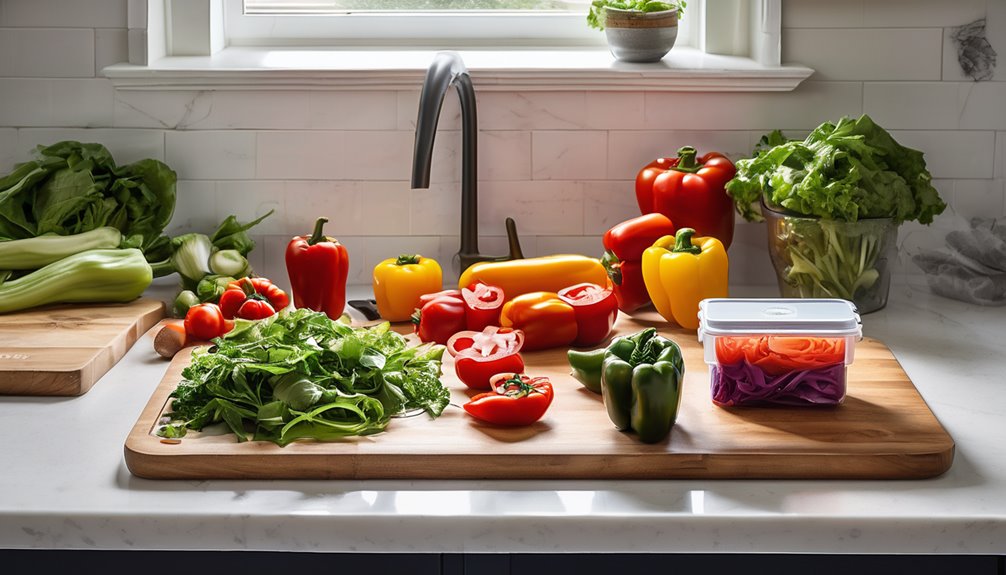
Planning your weekly meal prep can transform your weight loss journey, making it more manageable and efficient. Start by dedicating a specific day for grocery shopping; this helps you stick to your plan and avoid impulse buys.
Create a balanced menu, focusing on nutritious foods that you enjoy. Next, list ingredients and check your pantry to prevent unnecessary purchases.
On your prep day, allocate time for cooking and portioning meals into containers—this enhances time management throughout the week. Label each container with meal names and dates to keep track of freshness.
Lastly, review your week’s schedule to ensure meal prep aligns with your commitments. With this structured approach, you’ll simplify your routine and support your weight loss goals.
Easy Meal Prep Recipes for Weight Loss
Meal prep can be a game-changer for your weight loss efforts, especially when you incorporate easy, nutritious recipes that fit your lifestyle.
Here are three simple ideas to get you started:
- Overnight Oats: Mix rolled oats with your favorite milk, yogurt, and toppings like fruits or nuts. Let it sit overnight for a quick breakfast that’s high in fiber.
- Veggie-Stuffed Wraps: Fill whole-grain wraps with lean proteins, fresh veggies, and hummus. These make great lunches and can be customized to your taste.
- Healthy Snacks: Prepare portioned bags of nuts, cut veggies, or yogurt to grab on the go. These nutritious options help curb cravings and keep you energized throughout the day.
With these recipes, healthy eating becomes effortless!
Portion Control: How Much Should You Prepare?
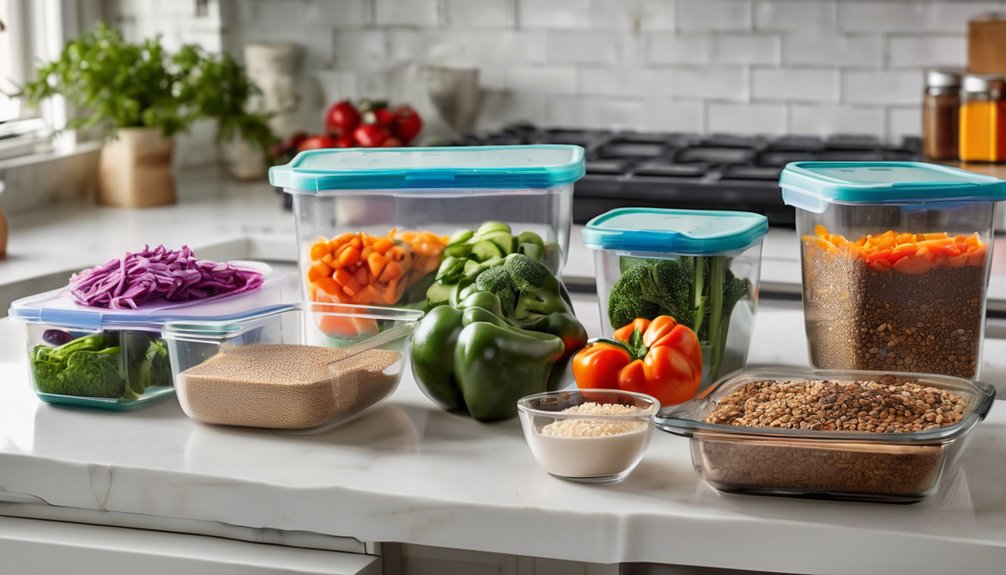
Understanding portion control is vital for successful meal prep, especially when you’re aiming for weight loss. To manage your caloric intake, start by measuring serving sizes. A balanced meal typically includes a protein source, whole grains, and vegetables.
Aim for about a quarter plate of protein, a quarter of grains, and half of veggies.
Incorporate healthy snacks between meals to keep your energy up and prevent overeating later. Consider preparing snacks like cut veggies or nuts in portioned bags.
Additionally, think about meal frequency; eating smaller meals more often can help control hunger. By focusing on these strategies, you’ll create a more effective meal prep plan that supports your weight loss goals.
Best Practices for Storing and Reheating Meal Prep
Effective storage and reheating of your meal prep can make a significant difference in maintaining freshness and flavor.
To ensure food safety and maximize taste, follow these best practices:
- Use Airtight Containers: This prevents air exposure, keeping your meals fresh longer. Glass containers are a great option as they’re microwave-safe and durable.
- Label and Date: Always label your meals with the contents and date prepared. This helps you keep track of freshness and reduces the risk of eating spoiled food.
- Reheat Evenly: When reheating, ensure your meal reaches at least 165°F (74°C) to kill any harmful bacteria. Stirring halfway through helps achieve even heating.
Don’t Make These Meal Prep Mistakes
While planning your meals can set you up for success, skipping some essential steps can lead to frustration and wasted effort. One of the most common pitfalls isn’t dedicating enough time for meal prep. Rushing through the process can result in poorly planned meals and a lack of variety.
Also, overcomplicating recipes can drain your motivation; stick to simple, nutritious options that you enjoy. Be mindful of portion sizes too; preparing too much food can lead to overeating.
Additionally, neglecting proper storage techniques can compromise food safety and freshness. Finally, don’t forget to schedule your meal prep sessions to improve time management. Establishing a routine helps you stay consistent and makes the process smoother.
How to Keep Your Meal Prep Routine Fresh
To keep your meal prep routine fresh, consider experimenting with new ingredients and flavors regularly. Incorporate flavor variety and try different cooking techniques that can enhance your meals.
Here’s how to revitalize your prep:
- Ingredient Swaps: Substitute common items with unique alternatives, like quinoa for rice or zucchini noodles for pasta.
- Seasoning Options: Experiment with different herbs and spices to add depth, such as smoked paprika or fresh basil.
- Recipe Rotation: Change your go-to meals every few weeks to prevent monotony, ensuring you’re always excited about what you’re eating.
Adapting Meal Prep for Special Dietary Needs
Adapting meal prep for special dietary needs can significantly enhance your health and well-being. If you’re following a gluten-free diet, explore options like quinoa, brown rice, and gluten-free pasta to keep your meals satisfying.
Incorporating plenty of vegetables and lean proteins ensures you get essential nutrients without sacrificing flavor. For vegan substitutions, use plant-based proteins like lentils, chickpeas, and tofu. Nutritional yeast can add a cheesy flavor without dairy.
Remember to check labels for hidden allergens and preservatives. Planning meals that cater to your specific needs not only makes grocery shopping easier but also minimizes food waste, helping you stay committed to your weight loss journey.
Tailoring your meal prep can lead to delicious, healthful outcomes.
Frequently Asked Questions
How Do I Stay Motivated With Meal Prepping Long-Term?
To stay motivated with meal prepping long-term, focus on the meal prep benefits—like saving time and reducing stress. Establish consistent meal prep routines, experiment with new recipes, and track your progress to maintain enthusiasm.
Can I Meal Prep for a Family With Different Dietary Preferences?
Imagine a chef juggling diverse ingredients. You can absolutely meal prep for a family with different dietary preferences! Use versatile meal prep strategies, like batch cooking and customizable components, to satisfy everyone’s unique family dietary needs.
What Are Some Quick Snacks to Include in Meal Prep?
Include healthy snacks like Greek yogurt cups, portable options such as nut butter packets, protein choices like hard-boiled eggs, and sweet treats like homemade energy bites. These keep everyone satisfied and energized throughout the day.
How Can I Avoid Food Boredom With Meal Prep?
Avoiding food boredom with meal prep’s like mixing colors on a canvas. Experiment with flavor variations and ingredient swaps. Try different herbs, spices, or sauces to keep meals exciting and satisfying throughout the week.
Is It Safe to Meal Prep for More Than a Week?
Yes, it’s generally safe to meal prep for up to a week. Ensure proper meal storage, maintain portion control, and rotate meal variety to keep food safety in check and prevent spoilage.
Conclusion
Incorporating meal prep into your routine is like planting seeds for a healthier lifestyle. When you take the time to plan and prepare, you cultivate not just nutritious meals but also the discipline needed for weight loss. By avoiding impulsive choices and ensuring portion control, you set yourself up for success. Embrace this structured approach, and you’ll find that maintaining your weight loss goals becomes as natural as tending to a thriving garden.