When you consider a high-protein diet, you’re opening the door to a smarter approach to weight loss. This strategy doesn’t just cut calories; it enhances metabolism and helps you feel fuller longer. By understanding the science behind how protein influences hunger and energy, you can make informed choices. Curious about the best protein sources and how to seamlessly integrate them into your meals? The benefits might surprise you.
What’s the Science Behind High-Protein Diets?
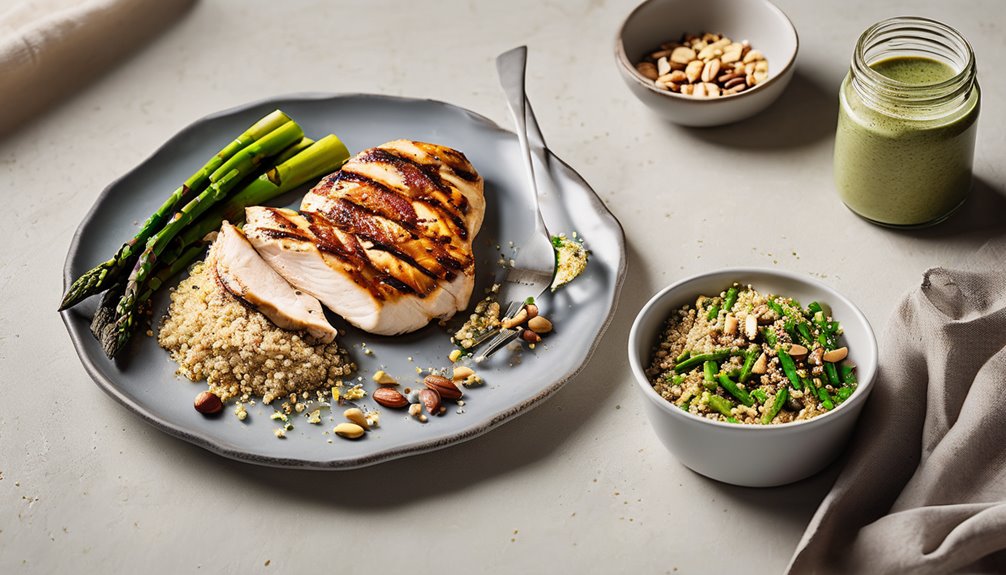
When you consider weight loss strategies, understanding the science behind high-protein diets can significantly impact your results.
High-protein diets are known to offer a metabolism boost, helping your body burn calories more efficiently. This increase in metabolic rate often occurs due to the thermic effect of food, where digesting protein requires more energy than fats or carbohydrates.
Additionally, a high-protein intake aids in muscle preservation during weight loss. Maintaining muscle mass is crucial, as muscles burn more calories at rest compared to fat.
How a High-Protein Diet Controls Hunger
A high-protein diet effectively controls hunger by increasing feelings of fullness and reducing cravings. When you consume protein, it stimulates the release of satiety signals, which help you feel satisfied after meals. This process lowers levels of hunger hormones like ghrelin, making you less likely to snack between meals.
Research shows that higher protein intake can lead to a greater reduction in overall calorie consumption, as your body takes longer to digest protein compared to fats and carbohydrates. Additionally, protein helps maintain muscle mass during weight loss, which is crucial for sustaining a healthy metabolism.
Must-Have Protein Sources for Your High-Protein Diet
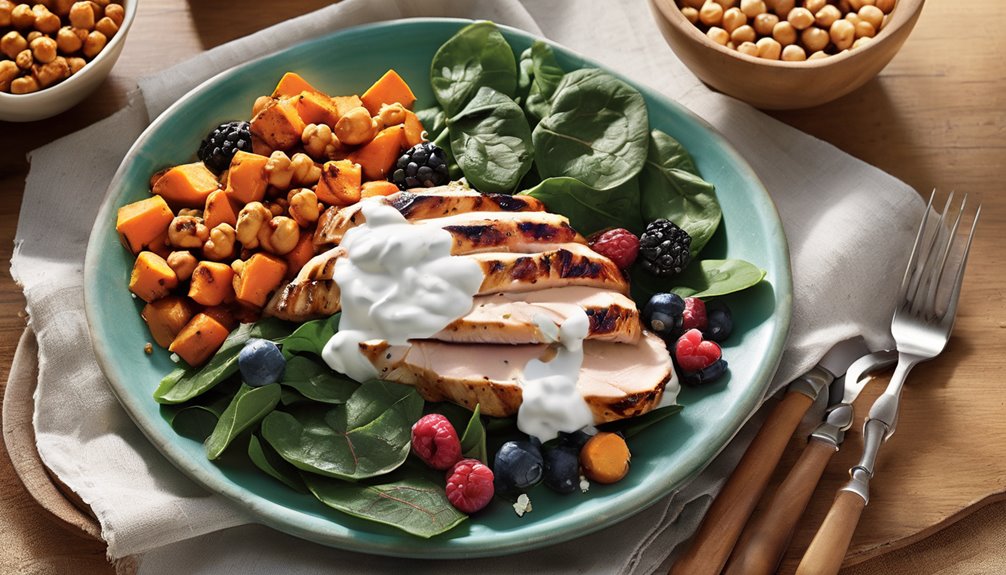
While planning your high-protein diet, it’s essential to incorporate a variety of protein sources to ensure you’re meeting your nutritional needs.
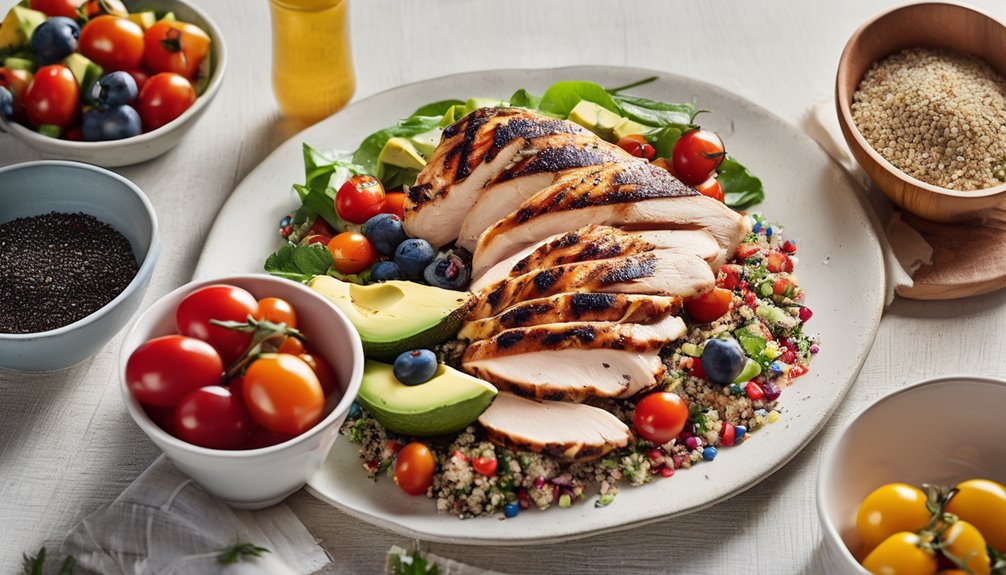
Lean meats, like chicken and turkey, provide high-quality protein, while seafood choices, such as salmon and shrimp, offer healthy fats along with protein.
Don’t overlook dairy options like Greek yogurt and cottage cheese, which are also excellent protein sources.
For those preferring plant proteins, consider legumes, known for their benefits in fiber and nutrients, as well as protein-rich grains like quinoa.
Protein supplements can be convenient, especially when you’re on the go.
Finally, keep some protein snacks, such as nuts or protein bars, handy to help you stay satisfied throughout the day.
Easy High-Protein Recipes to Try
High-protein meals can be both delicious and simple to prepare, making it easier for you to stay on track with your diet.
Here are some easy high-protein recipes you can try:
- Protein Packed Smoothies: Blend Greek yogurt, spinach, and your favorite fruits for a nutritious start to your day.
- Chickpea Salad: Mix canned chickpeas, diced tomatoes, cucumber, and a squeeze of lemon for a refreshing, protein-rich snack.
- Egg Muffins: Whisk eggs with veggies and cheese, pour into muffin tins, and bake for grab-and-go protein-rich snacks.
These recipes not only satisfy your taste buds but also help you meet your protein needs, supporting your weight loss journey effectively.
Enjoy experimenting with these options!
Tips for Transitioning to a High-Protein Lifestyle
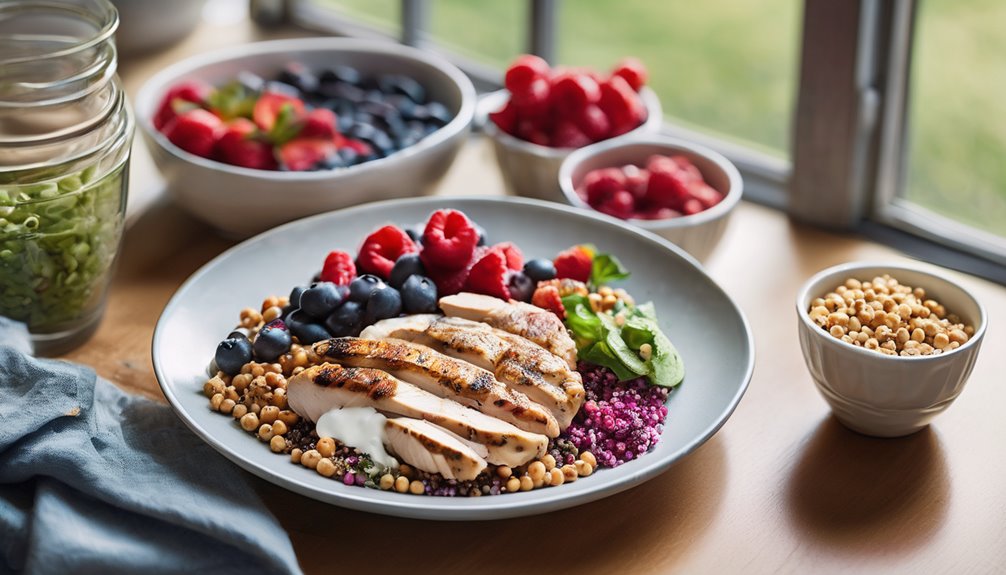
Transitioning to a high-protein lifestyle can be a game-changer for your weight loss journey, especially when you incorporate it gradually.
Start by assessing your current protein intake and aim to increase it by adding protein-rich foods like lean meats, legumes, and dairy.
Meal prepping is a fantastic way to stay on track; prepare your meals in advance to ensure you always have high-protein options ready.
Don’t forget to stock up on protein snacks, like Greek yogurt or mixed nuts, to curb cravings between meals.
Experiment with different recipes to keep your meals exciting and satisfying.
Frequently Asked Questions
Can a High-Protein Diet Affect Kidney Health?
Yes, a high-protein diet can affect kidney function, especially if you have pre-existing conditions. It’s crucial to choose healthy protein sources and monitor intake to maintain kidney health and avoid potential complications.
How Much Protein Do I Need Daily for Weight Loss?
When it comes to weight loss, you’ve got to find the sweet spot. Aim for about 0.6 to 1 gram of protein per pound of body weight daily, focusing on diverse protein sources for a balanced intake.
Are There Any Side Effects of a High-Protein Diet?
Yes, a high-protein diet can lead to digestive issues, affect nutrient balance, and cause weight plateaus. It’s vital to consider protein sources, meal timing, and hydration needs to mitigate these side effects effectively.
Can I Maintain Muscle While Losing Weight on This Diet?
Yes, you can maintain muscle while losing weight on this diet. Focus on high-quality protein sources, like lean meats, legumes, and dairy, to support muscle preservation and minimize loss during your weight loss journey.
Is a High-Protein Diet Suitable for Vegetarians or Vegans?
A high-protein diet can absolutely suit vegetarians and vegans. Think of vibrant gardens filled with legumes, quinoa, and nuts—these plant-based options offer ample protein sources, ensuring you thrive while honoring your dietary choices.
Conclusion
Incorporating a high-protein diet into your lifestyle is like laying a strong foundation for a house; it supports everything above it. By understanding the science behind protein’s role in hunger control and metabolism, you’re better equipped to make informed choices. With a variety of delicious protein sources and recipes at your fingertips, transitioning to this diet can be both enjoyable and effective. Embrace this journey, and watch how it transforms your health and weight loss goals.