Did you know that protein plays a crucial role in muscle repair, weight management, and overall health? Using a daily protein calculator can help you tailor your intake based on your unique needs and activity levels. This tool not only simplifies meal planning but also ensures you’re getting a balanced mix of protein sources. Understanding how to optimize your intake can make a significant difference in achieving your health goals. What factors should you consider to get it right?
Key Takeaways
- Calculate your daily protein needs using body weight, activity level, and age to tailor intake for optimal health.
- Incorporate a variety of protein sources, both animal and plant-based, to ensure complete amino acid profiles.
- Aim to include protein in every meal and snack for better satiety and muscle recovery.
- Use apps or food diaries to track protein intake and adjust based on fitness goals and lifestyle changes.
- Regularly reassess protein needs, especially with changes in activity level or age, to maintain optimal health.
How to Use a Daily Protein Calculator to Meet Your Protein Goals

How can you ensure you’re hitting your protein targets each day? Start with a daily protein calculator. It takes your weight, activity level, and goals to give you a specific protein target.
Once you have that number, focus on protein tracking throughout your meals. By spreading your intake across several meals, you’ll not only meet your goals but also support muscle synthesis effectively.
Aim for a consistent meal frequency—three to five meals a day—incorporating protein-rich foods like chicken, beans, or tofu in each. This approach ensures you stay satisfied and energized while hitting those targets.
Consistency is key, so make it a habit, and soon you’ll find reaching your protein goals feels effortless.
Factors That Influence Protein Requirements
While many people think a one-size-fits-all approach works for protein intake, several factors actually influence your protein requirements.
Age factors play a role, as your needs may change from childhood to older adulthood. Your activity level also matters; athletes often require more protein to support muscle recovery.
Age and activity level significantly impact protein needs, with athletes requiring more for effective muscle recovery.
Body composition is crucial, too—those with higher muscle mass typically need more protein. Dietary preferences, like vegetarianism or veganism, can affect how you meet your needs.
Health conditions, such as kidney disease, may require adjustments. Gender differences often lead to varied requirements, and your lifestyle choices, including meal timing, can influence how efficiently your body uses protein.
Understanding these factors helps you tailor your intake for optimal health.
Calculating Your Daily Protein Needs for Optimal Health

Are you unsure about how much protein you really need? To calculate your daily protein requirements, start by considering your weight and activity level.
Generally, aim for 0.8 grams of protein per kilogram of body weight if you’re sedentary, and up to 2.2 grams if you’re highly active.
Remember, protein absorption varies; consuming protein in smaller, regular meals enhances its benefits. Timing matters too—try to distribute your intake throughout the day for optimal muscle recovery and repair.
Incorporating protein with every meal can help you reach your goals while keeping you satisfied.
The Benefits of Meeting Your Protein Goals
Meeting your protein goals not only supports muscle growth but also plays a crucial role in overall health. When you prioritize protein intake, you experience numerous benefits that enhance your well-being:
- Boosts Protein Synthesis: This helps repair and build muscle tissue after workouts, leading to faster muscle recovery.
- Enhances Satiety Benefits: Protein keeps you feeling full longer, aiding in weight management.
- Supports Immune Function: Adequate protein strengthens your immune system, helping you fend off illnesses.
- Improves Energy Levels: Protein plays a role in hormone regulation and nutrient absorption, keeping your energy steady throughout the day.
Choosing Between Animal and Plant-Based Protein Sources
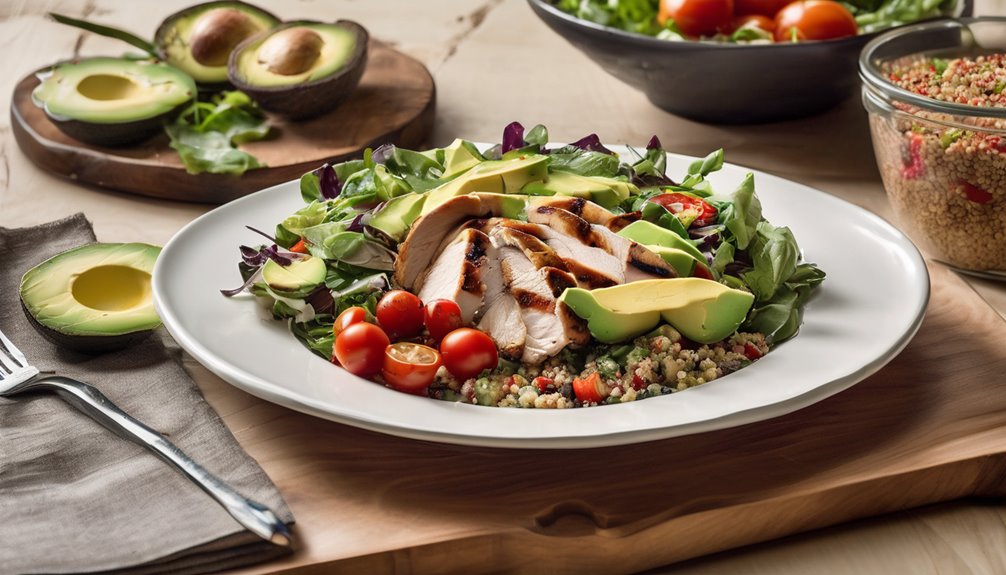
When deciding between animal and plant-based protein sources, it’s essential to consider both nutritional value and personal preferences.
Animal protein is often praised for its high protein quality and digestibility, providing all essential amino acids. However, plant protein can be just as beneficial, especially when you combine different sources to ensure a complete amino acid profile.
Your dietary preferences and personal health goals play a significant role in this choice. If you’re mindful of environmental impact, plant proteins generally have a lower carbon footprint.
Balancing both types can offer a variety of nutrients, making your meals more enriching. Ultimately, choose what aligns best with your lifestyle and health objectives, ensuring you’re meeting your protein needs effectively.
Incorporating Protein Into Every Meal
To ensure you’re getting enough protein throughout your day, it’s crucial to incorporate it into every meal. Here are some practical strategies to make protein a staple in your diet:
Incorporating protein into every meal is essential for a balanced diet and overall health.
- Start with breakfast: Add Greek yogurt or eggs for a protein boost.
- Choose protein-rich snacks: Opt for nuts or protein bars to keep you satisfied.
- Explore diverse protein sources: Incorporate beans, lentils, or tofu, especially for vegetarians.
- Get creative with desserts: Use protein powder in smoothies or baked goods for a sweet touch.
Easy Meal Planning Tips for Getting Enough Protein
Planning meals can make a significant difference in ensuring you get enough protein throughout the day.
Start with meal prep: set aside time each week to plan and cook. This helps you control portions and encourages balanced diets.
Look for recipe ideas that incorporate lean proteins like chicken, beans, or tofu. When grocery shopping, check nutrition labels—aim for foods with higher protein content.
Don’t forget to include protein snacks, like Greek yogurt or nuts, to keep your energy up.
Experiment with different cooking methods, such as grilling or stir-frying, to keep meals exciting.
With a little planning, you can easily incorporate protein into your daily routine and enjoy tasty, nutritious meals.
Top 5 Mistakes to Avoid When Consuming Protein
While protein is essential for your health, many people make common mistakes that can undermine its benefits. Here are five pitfalls to avoid:
- Ignoring Protein Timing: Consuming protein evenly throughout the day boosts muscle repair and satiety.
- Overlooking Protein Quality: Prioritize high-quality sources like lean meats, legumes, and dairy over processed options.
- Consuming Excessive Protein: Too much protein can strain your kidneys; aim for balance instead.
- Believing Protein Myths: Don’t fall for fads—focus on balanced meals that include healthy fats and carbs alongside protein.
Adjusting Protein Intake for Your Fitness Goals
Optimizing your protein intake can significantly impact your fitness goals, whether you’re aiming to build muscle, lose weight, or enhance overall performance.
Focus on protein timing and distribution throughout the day; spreading your intake helps with muscle protein adaptation. Choose high-quality protein sources, like lean meats, dairy, and legumes, to maximize benefits.
If you’re struggling to meet your needs, consider protein supplements, especially post-workout for recovery. Implement protein cycling to adjust intake based on your training intensity, ensuring you provide your body with adequate fuel.
Tools and Apps to Track Your Protein Intake
To effectively manage your protein intake, utilizing tools and apps can make a significant difference in your nutritional journey.
These protein tracking apps not only simplify your meal planning but also keep you motivated. Here are some great options to consider:
- MyFitnessPal – A user-friendly app that allows you to log meals and track protein easily.
- Cronometer – Offers detailed nutrient tracking, ensuring you meet your protein goals.
- Lose It! – Focuses on calorie counting while helping you monitor your protein intake.
- Yummly – Provides personalized recipe suggestions based on your dietary needs, including protein.
With these protein intake tools at your fingertips, you’ll feel empowered to make healthier choices every day.
Embrace the journey!
Frequently Asked Questions
What Are the Symptoms of Protein Deficiency?
If you’re protein deficient, you might notice muscle weakness, fatigue, and immune issues. These symptoms can signal your body’s struggle to function optimally, so paying attention to your diet is essential for overall health.
Can I Get Enough Protein From a Vegan Diet?
Absolutely, you can get enough protein from a vegan diet. Focus on diverse vegan protein sources like lentils and quinoa, ensuring optimal protein absorption by pairing them with complementary foods for a complete amino acid profile.
Is Too Much Protein Harmful to My Health?
Yes, too much protein can harm your health. Protein toxicity may occur when your body can’t metabolize excess protein efficiently, leading to kidney strain and dehydration. Balance is essential for optimal health and well-being.
How Does Age Affect Protein Needs?
As you age, protein metabolism slows, increasing your protein needs to maintain muscle mass and overall health. Age factors like hormonal changes and activity levels play crucial roles in determining how much protein you require.
What Are the Best Protein Sources for Athletes?
Choosing protein sources for athletes is like crafting a masterpiece; lean meats, plant proteins, and protein supplements enhance your performance. Remember protein timing—fuel your body effectively for optimal gains and recovery. You’ve got this!
Conclusion
Incorporating a daily protein calculator into your routine is like having a compass guiding you through the nutritional landscape. By understanding your unique needs and adjusting your intake accordingly, you can fuel your body like a well-oiled machine. Whether you’re lifting weights or simply aiming for better health, meeting your protein goals can pave the way for stronger muscles and greater vitality. Embrace this tool to make informed choices and watch your energy soar as you nourish yourself effectively.