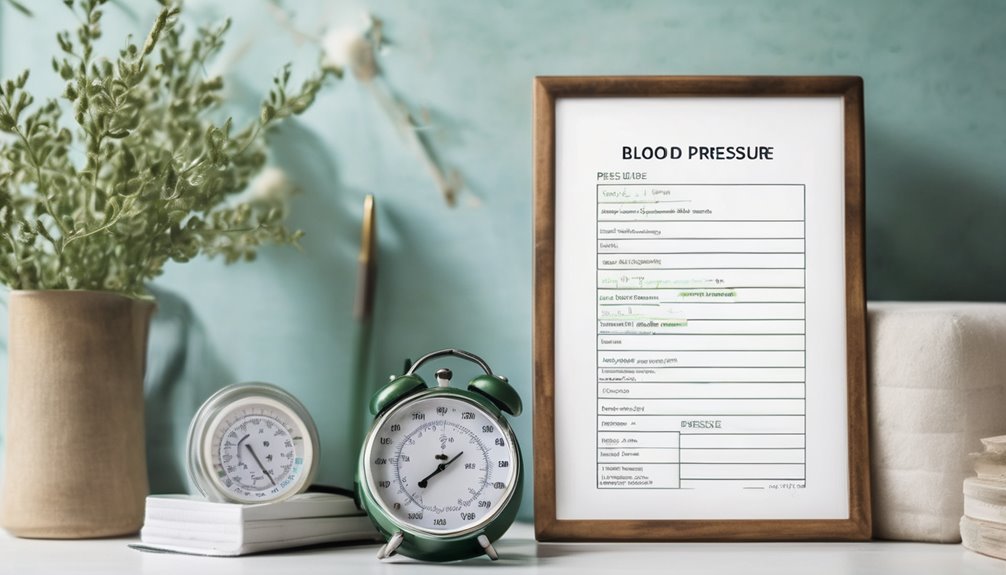
Managing your blood pressure effectively is crucial for your overall health. A Blood Pressure Log Printable Guide can simplify this process, allowing you to track your readings and lifestyle factors easily. By documenting your systolic and diastolic numbers alongside medication notes, you can gain valuable insights. But what should you include in your log to make it most effective? Understanding the essential components is just the beginning of your journey to better health.
Key Takeaways
- Create a customizable blood pressure log template that includes date, time, systolic and diastolic readings, and medication notes for clarity.
- Incorporate sections for lifestyle changes, diet, and exercise to enhance the log’s effectiveness and inform healthcare discussions.
- Use color coding to categorize readings and make it easier to identify trends and patterns over time.
- Print charts for visual tracking of blood pressure changes, helping set health goals and celebrate progress.
- Provide space for comments on stress levels and other factors that may influence blood pressure readings, promoting comprehensive health management.
Why Tracking Blood Pressure Is Essential for Your Health
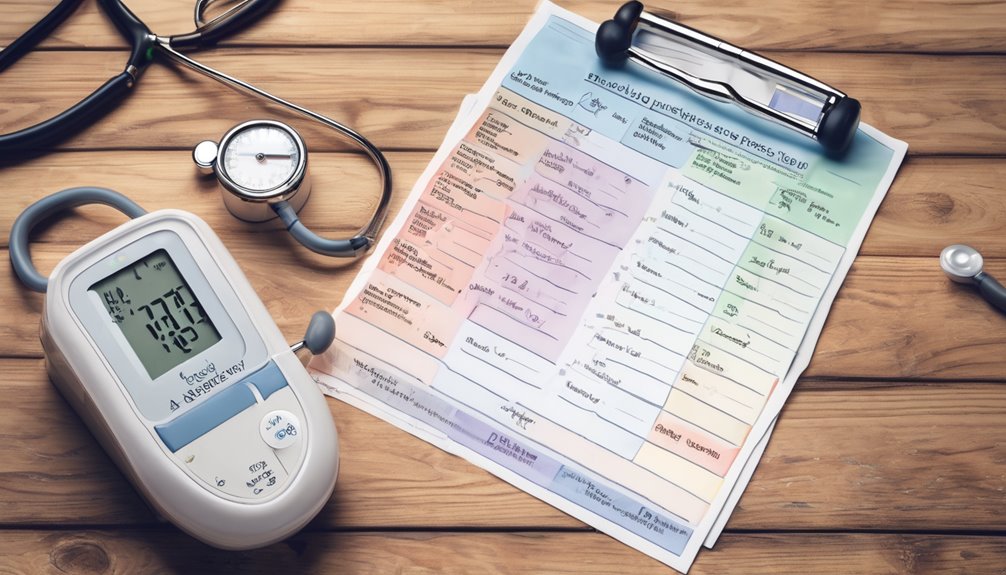
Tracking your blood pressure is essential for your health, especially since it can reveal critical insights about your cardiovascular well-being.
By monitoring your readings, you can identify the need for lifestyle changes that promote better heart health. It encourages medication adherence and helps you stay accountable.
Monitoring your blood pressure helps identify necessary lifestyle changes, fosters medication adherence, and keeps you accountable for your heart health.
You’ll also gain a clearer understanding of how stress management, dietary modifications, and exercise routines impact your numbers. Improving your sleep quality can become a priority when you see the connection with your blood pressure.
This awareness empowers you to take preventive measures, fostering a proactive approach to your health.
Ultimately, tracking your blood pressure keeps you engaged with your well-being, guiding you toward a healthier, more vibrant life.
How a Blood Pressure Log Makes Monitoring Easy
Keeping an eye on your blood pressure can be straightforward and manageable with a blood pressure log. By prioritizing log organization, you can effortlessly jot down your readings, making it easy to spot trends over time.
This clarity helps you understand how lifestyle changes or medications impact your numbers. You’ll also find that tracking frequency plays a crucial role in your health journey. Regular entries can highlight fluctuations that might otherwise go unnoticed.
Plus, having a visual representation of your progress can motivate you to stay on track. Ultimately, a well-maintained log empowers you to take control of your health, making those doctor visits more productive and less stressful.
Embrace this simple tool, and watch your awareness grow!
Essential Components of an Effective Blood Pressure Log
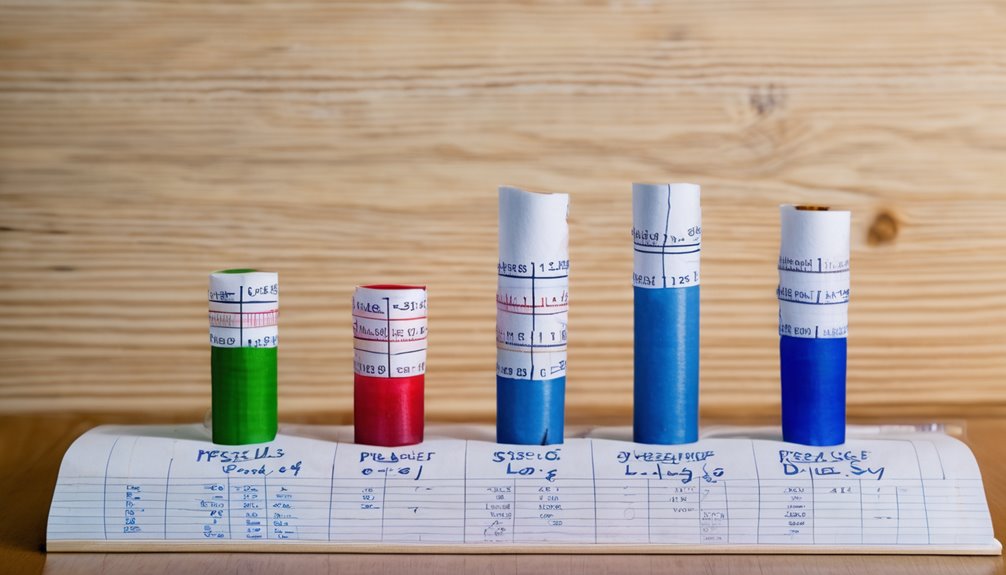
While you might think any simple log would suffice, an effective blood pressure log includes several essential components that enhance its usefulness. By tracking these details, you can better understand your health and the effects of medication and lifestyle changes.
- Date and Time: Helps you identify patterns over time.
- Blood Pressure Readings: Record systolic and diastolic numbers for clarity.
- Medication Impact: Note any medications taken before readings to see their effects.
- Lifestyle Changes: Document changes in diet, exercise, or stress levels to correlate with readings.
Incorporating these elements not only makes your log more comprehensive but also empowers you to have informed conversations with your healthcare provider.
You’re taking charge of your health, and that’s something to celebrate!
Best Practices for Accurate Blood Pressure Readings
To ensure your blood pressure readings are as accurate as possible, it’s essential to follow some key best practices.
Start by measuring your blood pressure at the same time each day, ideally after sitting quietly for at least five minutes. Use a validated monitor and make sure it fits you well.
Keep a consistent posture—sitting with your back straight and feet flat on the floor. If you’re making lifestyle adjustments, like reducing salt intake or increasing exercise, track how these changes affect your readings.
Avoid caffeine and smoking right before taking measurements, as these can skew results.
How to Recognize Trends in Your Blood Pressure Log
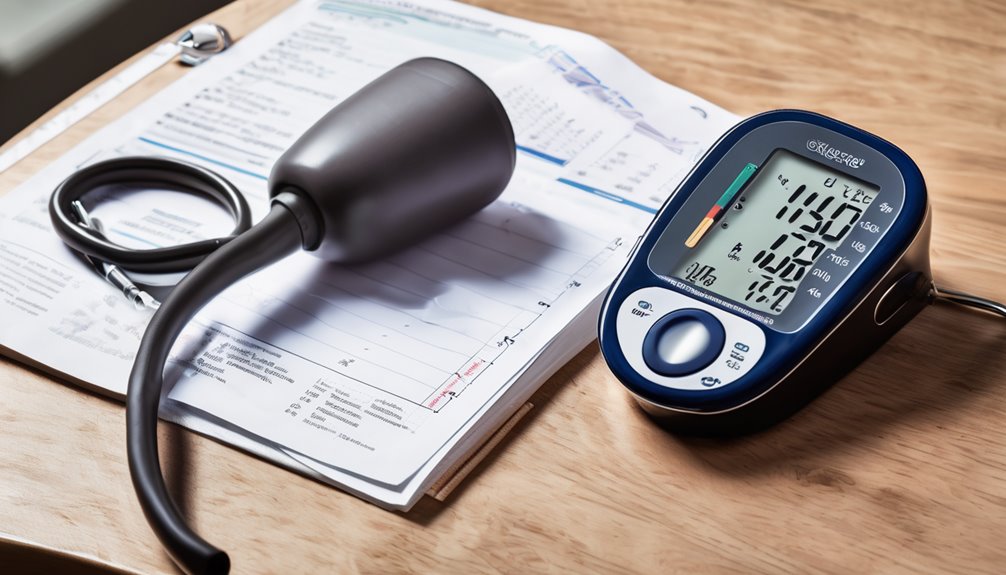
Recognizing trends in your blood pressure log can provide valuable insights into your health over time.
By engaging in trend analysis, you can uncover patterns that might otherwise go unnoticed. Here’s how to visualize your data effectively:
- Track changes: Note fluctuations over days, weeks, or months.
- Identify triggers: Look for correlations with diet, stress, or medication.
- Use charts: Create graphs to visualize your blood pressure readings clearly.
- Set goals: Establish targets based on your findings to improve your health.
How to Share Your Blood Pressure Log With Doctors
Sharing your blood pressure log with your doctor is crucial for effective health management. It helps your doctor understand your patterns and make informed decisions about your care.
Start by choosing the best sharing methods that suit both you and your doctor. You can print your log and bring it to your appointment, or consider digital options like email or health apps for easier doctor communication.
Be open about any concerns or changes you’ve noticed; this fosters a collaborative atmosphere. If possible, schedule regular check-ins to review your log together.
Choosing the Best Format for Your Blood Pressure Log
Finding the right format for your blood pressure log can make a significant difference in tracking your health. Choosing the best log formats helps you stay organized and committed to your well-being.
Here are some effective tracking methods to consider:
- Printable Logs: Easy to fill out by hand and personalize.
- Digital Sheets: Use apps or spreadsheets for automatic calculations and reminders.
- Mobile Apps: Convenient for on-the-go logging, often with additional features.
- Bullet Journals: Creative and customizable, combining aesthetics with functionality.
Whichever method you choose, ensure it suits your lifestyle and encourages consistent tracking.
This way, you’ll not only monitor your numbers but also feel empowered in managing your health journey.
Printable vs. Digital Blood Pressure Logs: Which Should You Use?
Which method suits you best: printable or digital blood pressure logs?
If you appreciate the tactile feel of pen on paper, then paper simplicity might be your go-to. It allows for quick notes and a satisfying sense of accomplishment as you fill in each entry.
On the other hand, digital convenience offers a modern approach, perfect for those who embrace health technology. With apps, you can effortlessly track your readings, set reminders, and even share data with your healthcare provider.
Ultimately, it boils down to your tracking preferences. Do you enjoy the straightforwardness of printed logs, or do you lean toward the interactive features of digital logs?
Choose what resonates most with your lifestyle and helps you stay on top of your health.
Customizing Your Blood Pressure Log for Your Needs
Whether you’re managing a specific health condition or just keeping an eye on your numbers, customizing your blood pressure log can make a significant difference in tracking your progress.
By creating a log that fits your unique needs, you’ll find it easier to stay engaged and informed.
Consider these tips for customization:
- Use custom templates that suit your style.
- Incorporate color coding to highlight trends.
- Add sections for notes on diet, exercise, or medications.
- Adjust the frequency of entries based on your doctor’s recommendations.
These enhancements not only make your log more functional but also turn it into a personal tool for empowerment.
Embrace the process, and watch how tracking your blood pressure becomes a seamless part of your routine!
Success Stories: The Impact of Tracking Blood Pressure
Tracking your blood pressure can lead to transformative changes in your health journey, as countless individuals have discovered. Many have shared personal experiences about the tracking benefits they’ve experienced, noting significant health improvements.
By implementing success strategies like regular monitoring, they’ve identified patterns and made effective lifestyle changes. Patient testimonials often highlight how community support fosters motivation, encouraging each other to stay on track.
You might find that sharing your journey inspires others, too. Simple motivation tips—like celebrating small victories—can make a big difference.
Frequently Asked Questions
How Often Should I Update My Blood Pressure Log?
You should update your blood pressure log regularly, ideally at least once a week. This monitoring frequency helps you track changes and understand your health better, ensuring you’re always in tune with your body’s needs.
Can I Track Multiple Family Members on One Log?
Yes, you can track multiple family members on one log. In fact, organizing their readings together helps you spot trends—family health stats show that nearly 70% benefit from collective monitoring. Stay connected and informed!
What if My Readings Are Inconsistent?
If your readings are inconsistent, it could stem from various causes like stress, timing, or technique. Prioritizing accuracy is essential; consider consulting a healthcare professional for guidance to stabilize your measurements and ensure reliable tracking.
Are There Apps That Complement a Blood Pressure Log?
Absolutely! Blood pressure apps can be your health sidekicks. They offer data syncing, health reminders, user-friendly interfaces, medication tracking, and progress charts, turning your health journey into a smooth, engaging ride.
How Do I Calculate My Average Blood Pressure?
To calculate your average blood pressure, add your readings and divide by the total number. Regular monitoring techniques can reveal lifestyle impacts, helping you understand how choices affect your health. Stay consistent for accurate results!
Conclusion
Tracking your blood pressure isn’t just a chore; it’s a lifeline to better health. By keeping a log, you’re not just recording numbers; you’re painting a clearer picture of your heart’s story. Each entry helps you connect the dots between your lifestyle and well-being, guiding you toward healthier choices. So grab that printable guide, embrace the journey, and watch how those little notes transform into a roadmap for a vibrant life. Your heart will thank you!