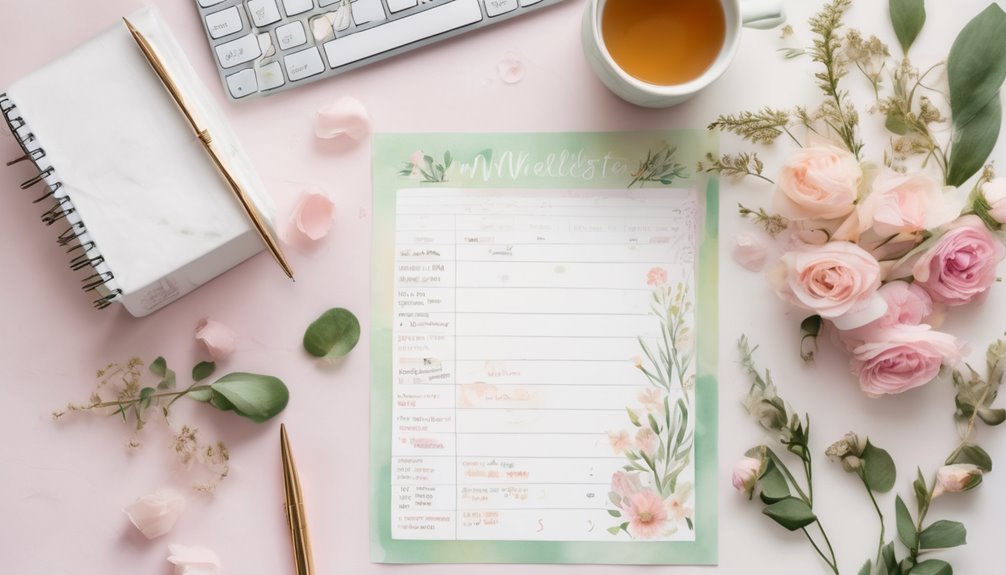
You might not realize that tracking your mental wellness can significantly improve your emotional resilience. By regularly noting your feelings and self-care practices, you can uncover insights about your emotional patterns. This process not only heightens your self-awareness but also empowers you to make informed changes. Understanding these elements can be transformative, yet many overlook their importance. So, how can you effectively implement a mental wellness tracker into your daily routine?
Key Takeaways
- Search for printable templates that include sections for emotional check-ins, self-care activities, and gratitude journaling.
- Explore mental health blogs and websites offering customizable tracker designs tailored to personal preferences.
- Utilize structured tables in printables to enhance organization of thoughts and emotions for better self-reflection.
- Look for resources that provide visual elements like colors and symbols to make tracking engaging and effective.
- Ensure the tracker includes areas for recognizing emotional triggers and patterns to support deeper understanding of mental wellness.
Why You Should Start Using a Mental Wellness Tracker Today
Many people overlook the importance of tracking their mental wellness, yet doing so can be a game-changer. By utilizing mindfulness techniques, you can cultivate awareness of your thoughts and feelings, making it easier to identify patterns and triggers.
Emotional journaling becomes a powerful tool, allowing you to process your experiences and emotions. When you write about your day, you reflect on what uplifted you or brought you down, fostering a deeper understanding of your mental landscape.
Emotional journaling helps you navigate your feelings, revealing insights that enhance your self-awareness and understanding of your mental landscape.
This practice not only enhances self-awareness but also encourages personal growth. As you consistently track your mental wellness, you’ll likely notice improvements in your emotional resilience and overall well-being.
Starting today can set the foundation for a healthier, more mindful future.
How to Use a Mental Wellness Tracker Effectively
Tracking your mental wellness effectively involves more than just jotting down thoughts; it requires a structured approach that fosters genuine insights. Begin with daily emotional check-ins, noting how you feel each day and any triggers. This practice enhances your self-awareness and helps identify patterns.
Consider using the following table to organize your thoughts:
| Date | Emotional Check-In | Self-Care Strategies |
|---|---|---|
| YYYY-MM-DD | How you felt | What you did for yourself |
| YYYY-MM-DD | How you felt | What you did for yourself |
| YYYY-MM-DD | How you felt | What you did for yourself |
| YYYY-MM-DD | How you felt | What you did for yourself |
Reflecting on this information can guide your self-care strategies, making your mental wellness journey more intentional and fulfilling.
Essential Elements to Include in Your Mental Wellness Tracker

A well-rounded mental wellness tracker incorporates several essential elements that can enhance your self-reflection and growth.
First, include a section for self-care activities, where you note daily or weekly practices that uplift you, like meditation or journaling. This helps you prioritize your well-being.
Incorporate a self-care section to document uplifting practices like meditation or journaling, prioritizing your well-being.
Next, track your emotional triggers—those situations or interactions that evoke strong feelings. Recognizing these patterns allows you to navigate your emotions more effectively.
Additionally, consider adding a gratitude section; acknowledging what you’re thankful for can shift your mindset.
Lastly, include space for your thoughts and feelings, fostering deeper insights into your emotional landscape.
Spotting Patterns in Your Emotions
While navigating your emotional landscape, spotting patterns can reveal valuable insights into your mental wellness. By practicing emotion recognition, you’ll start to identify triggers and recurring themes in your feelings.
Keep track of how certain events, people, or environments influence your mood. Through pattern analysis, you can uncover connections that might otherwise go unnoticed.
For example, you might find that stress levels rise during specific times of the week or in particular situations. This awareness empowers you to make informed choices about your responses and coping strategies.
As you document these patterns, you create a clearer picture of your emotional health, fostering a deeper understanding of yourself and enhancing your journey toward wellness.
Why Keeping an Eye on Your Mood Matters

Understanding your mood is crucial for maintaining mental wellness, as it provides insight into your emotional state and overall well-being. By tracking mood fluctuations, you gain valuable perspectives on how different experiences affect you.
This awareness allows you to identify triggers, whether they’re stressors or joyful moments, fostering a deeper connection with yourself. When you’re attuned to your emotions, you’re better equipped to manage challenges and celebrate victories.
Emotional awareness isn’t just about recognizing sadness or joy; it’s about understanding the full spectrum of your feelings. This practice nurtures self-compassion and empowers you to take proactive steps towards a healthier mindset.
Ultimately, keeping an eye on your mood paves the way for a more fulfilling and balanced life.
Tips for Reflecting on Your Mental State
Reflecting on your mental state can significantly enhance your emotional clarity and resilience. Start by scheduling regular emotional check-ins, perhaps weekly, to assess how you’re feeling.
Use journaling as a self-care strategy; jot down your thoughts, emotions, and triggers. This practice can bring patterns to light, helping you understand what affects your mood.
Journaling can illuminate emotional patterns, helping you grasp the influences on your mood and enhance your self-awareness.
Consider exploring mindfulness techniques, like meditation, to create a deeper connection with your feelings.
Don’t shy away from seeking support—talking to friends or a therapist can provide valuable insights.
Lastly, be gentle with yourself. Recognizing that it’s okay to feel a range of emotions empowers you to navigate life’s ups and downs with greater ease.
Trust the process; self-reflection is a journey worth taking.
Customizing Your Tracker for Personal Needs
Customizing your mental wellness tracker can make a significant difference in how you monitor and manage your emotional health. Start by tailoring the tracker design to reflect what resonates with you.
Consider including personal metrics like mood, energy levels, or stress triggers. This way, you can gain insights into patterns that matter most to you.
Don’t shy away from using colors, symbols, or layouts that inspire you; make it visually appealing and engaging. Remember, this tracker serves you—be honest about what you want to measure.
As you personalize it, you’re not just tracking; you’re creating a powerful tool for self-discovery and growth, paving the way for deeper emotional understanding and wellness.
Resources for Printable Mental Wellness Trackers
Finding the right resources for printable mental wellness trackers can enhance your journey toward emotional health.
Start by exploring websites that offer a variety of printable designs tailored to your needs. Many platforms provide free and paid tracker templates, allowing you to choose one that resonates with you.
Consider looking into mental health blogs or Pinterest boards, where communities often share unique designs and personal experiences.
You might also find apps that allow you to create customized trackers, blending digital convenience with the tactile pleasure of print.
Frequently Asked Questions
Can I Use a Mental Wellness Tracker for Children?
Absolutely, you can use a mental wellness tracker for children. It supports child development and fosters emotional literacy, helping them understand their feelings. This nurturing approach cultivates resilience and strengthens their emotional intelligence as they grow.
Are There Digital Alternatives to Printable Mental Wellness Trackers?
Yes, digital tools like mobile apps offer alternatives to printable trackers. Think of them as a virtual hug—embracing mindfulness techniques and guided journaling, they provide support and flexibility in your mental wellness journey.
How Often Should I Update My Mental Wellness Tracker?
You should update your mental wellness tracker regularly—ideally daily or weekly. This frequency helps you notice patterns and track benefits, allowing for deeper insights into your emotions, fostering a more intimate understanding of your well-being.
What if I Forget to Track My Emotions Daily?
What if you forget to track your emotions daily? Don’t worry; it happens. Consider setting daily reminders to cultivate emotional habits. Consistency over perfection fosters growth, helping you connect more deeply with your feelings.
Can a Mental Wellness Tracker Help With Anxiety Management?
Yes, a mental wellness tracker can significantly aid in managing anxiety. By identifying your anxiety triggers and documenting coping strategies, you create a clearer understanding of your emotions, empowering you to respond more effectively and compassionately.
Conclusion
Incorporating a Mental Wellness Tracker into your routine can be transformative. Research shows that individuals who track their emotions and self-care activities are 30% more likely to maintain positive mental health. By regularly reflecting on your feelings and identifying patterns, you not only enhance self-awareness but also cultivate resilience. So, take the first step today—customize your tracker, engage with your emotions, and witness the positive changes unfold in your mental well-being journey.