If you’re trying to eat healthier, a shopping list maker can be a game changer. It helps you stay organized and focused, reducing impulse buys that can sabotage your goals. By customizing your list to suit your dietary needs, you can ensure you’re making nutritious choices. However, not all list makers are created equal. Let’s explore some tips and features to consider, ensuring you get the most out of this helpful tool.
Key Takeaways
- A shopping list maker streamlines grocery trips, helping you purchase nutritious foods efficiently and reduce impulse buys.
- Customize your list based on dietary needs, organizing items into categories like proteins, vegetables, and grains for easy access.
- Incorporate seasonal produce for enhanced flavor and nutrition, while supporting local farmers and reducing environmental impact.
- Utilize budget-friendly strategies like meal planning, bulk buying, and price comparison apps to maximize savings on healthy foods.
- Essential features include recipe integration, pantry tracking, and nutritional information to support informed choices and minimize waste.
Struggling to Eat Healthy? Here’s How a Shopping List Maker Can Help
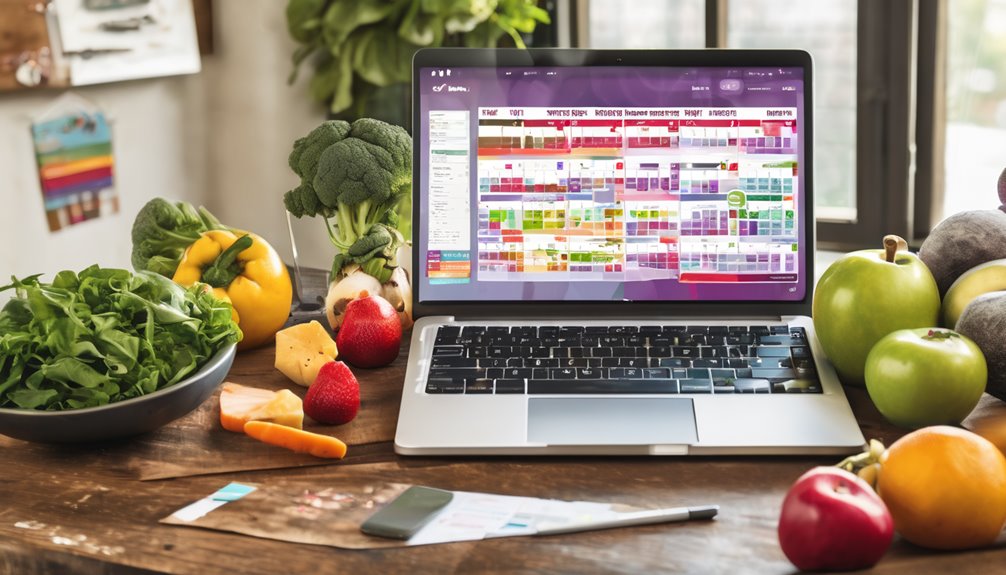
If you find yourself struggling to eat healthy, you’re not alone. Many people face this challenge, but a shopping list maker can be your ally. By integrating meal planning into your routine, you can streamline your grocery trips and ensure you’re purchasing nutritious foods.
Start by mapping out your meals for the week; this gives you a clear picture of what you need.
As you plan, consider using nutrition tracking apps to monitor your intake. They can help you stay accountable and make informed choices.
When you have a structured list, you’re less likely to make impulse buys that derail your healthy eating goals. With a little preparation, you can transform your shopping experience and embrace a healthier lifestyle.
Tips for Customizing Your Shopping List for Dietary Needs
Creating a shopping list tailored to your specific dietary needs can significantly enhance your food choices. Start by identifying your dietary preferences—whether it’s vegetarian, gluten-free, or low-carb. This helps you focus on what you truly need.
To ensure effective list organization, categorize your items. Here’s a simple table to guide you:
| Category | Examples |
|---|---|
| Proteins | Chicken, Tofu, Beans |
| Vegetables | Spinach, Carrots |
| Grains | Quinoa, Brown Rice |
How to Incorporate Seasonal Produce Into Your Shopping List
Incorporating seasonal produce into your shopping list not only enhances the freshness of your meals but also supports local farmers and reduces environmental impact.
Start by checking what’s in season in your area; this helps you choose ingredients that are at their peak flavor and nutrition. Look for seasonal recipes that highlight these ingredients, making meal prep exciting and diverse.
Check local seasonal produce to select ingredients at their peak flavor, and explore recipes that make meal prep vibrant and varied.
When you find an abundance of seasonal fruits and veggies, consider produce preservation techniques like freezing or canning to enjoy them year-round. This way, you not only savor the season’s bounty but also minimize waste.
Embrace the cycle of nature and let it guide your shopping list for healthier, tastier meals.
Budget-Friendly Strategies for Healthy Grocery Shopping
Finding ways to eat healthy on a budget can feel daunting, especially as you navigate the aisles filled with tempting processed options.
Start by meal planning for the week, which helps you focus on what you really need. Consider bulk buying pantry staples like rice, beans, and oats; they’re affordable and versatile.
Don’t forget to check local markets for fresh produce at lower prices. Utilize price comparison apps and keep an eye on store sales to maximize your savings.
Incorporate coupon strategies for extra discounts, and involve your family in shopping decisions to make it a fun outing.
These strategies not only save money but also encourage healthier choices, making your grocery experience more enjoyable and manageable.
Must-Have Features for Grocery List Makers
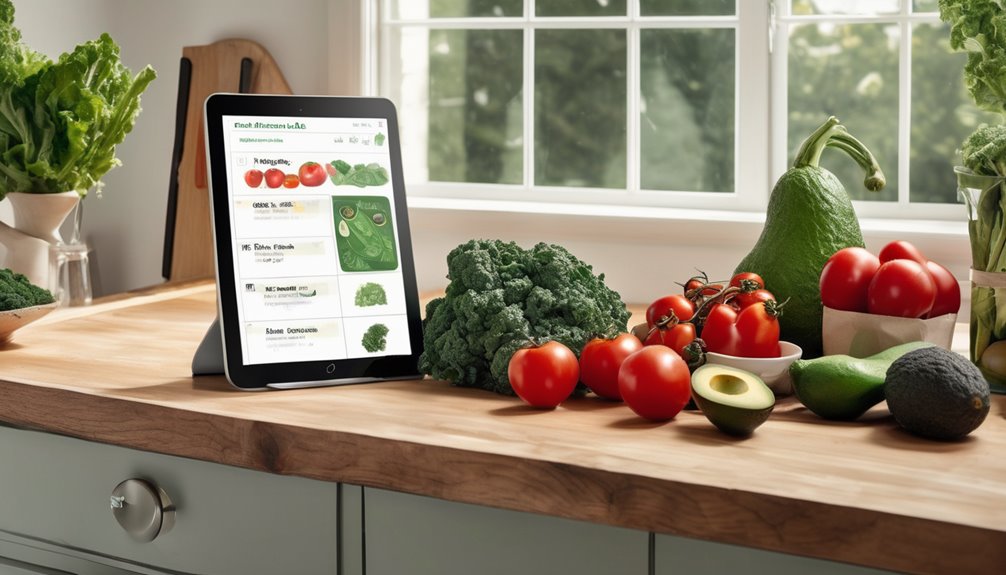
When you’re crafting a grocery list, having the right features can make all the difference in streamlining your shopping experience. A user-friendly interface helps you navigate easily, while recipe integration allows you to add items directly from your favorite dishes.
Pantry tracking ensures you know what you have on hand, reducing waste and saving money. Nutritional information can guide healthier choices, and meal planning tools help you organize your week effectively.
Barcode scanning simplifies adding items, while family sharing lets everyone contribute to the list. Don’t forget shopping reminders, which keep you on track and prevent those last-minute trips.
With these features, your grocery shopping will feel more organized and enjoyable.
What Mistakes Should You Watch Out For?
Even with the right grocery list features, mistakes can still derail your healthy eating goals. Being aware of common pitfalls helps you stay on track.
Watch out for:
- Shopping Distractions: Don’t let flashy displays and promotions lead you to unhealthy choices. Stick to your list.
- Impulse Buys: These often include items you didn’t plan for, which can sabotage your meal planning efforts.
- Packaging Traps: Just because it looks healthy doesn’t mean it is. Always focus on label reading to check portion sizes and ingredients.
Top Apps for Healthy Meal Prep and Eating
To streamline your healthy meal prep and eating habits, leveraging technology can make a significant difference.
Apps like Mealime and Paprika help with meal planning and recipe organization, making it easy to find nutritious meals that fit your lifestyle. Nutritional tracking features allow you to monitor your intake, while pantry inventory tools ensure you know what you have on hand. This can save you time and enhance your time management skills.
For portion control, apps like MyFitnessPal can guide you in serving sizes. Plus, many apps offer ingredient substitution suggestions, which can foster family involvement by encouraging everyone to participate in meal prep.
Embrace these tools to simplify your healthy eating journey!
Frequently Asked Questions
Can I Share My Shopping List With Family or Friends?
Yes, you can share your shopping list with family or friends. List sharing fosters collaborative planning, making grocery trips more efficient and fun. Plus, it encourages healthy choices together, strengthening your bond over shared meals.
How Do I Track My Food Inventory at Home?
To track your food inventory at home, consider using inventory management tools like apps or spreadsheets. Implement food organization tips, such as labeling and categorizing, to make it easier to see what you have.
Are There Shopping List Makers for Specific Diets, Like Keto or Vegan?
Yes, there are shopping list makers tailored for specific diets like keto and vegan. You’ll find keto essentials and vegan substitutions that simplify your meal prep, ensuring you stay on track with your dietary goals.
Can I Add Non-Food Items to My Shopping List?
Absolutely, you can add non-food essentials to your shopping list! Think of it as a treasure map for shopping organization—keeping everything you need in one spot helps you stay on track and avoid forgetting items.
How Do I Adjust My List for Meal Prepping?
To adjust your list for meal prepping, focus on meal prep essentials that support portion control. Choose versatile ingredients, plan balanced meals, and ensure you have containers ready for easy storage and organization.
Conclusion
So, while you might think a shopping list maker is just another app to clutter your phone, it’s quite the opposite. By streamlining your grocery trips and keeping you accountable, it actually promotes healthier eating habits. Who would’ve thought that a simple list could transform your shopping experience from chaos to clarity? Embracing this tool might just be the key to turning those “I’ll start eating healthy tomorrow” promises into actual, delicious meals today.