If you’re aiming to lose weight, effective meal planning can be a game-changer. It helps you organize balanced meals and control portions, making it easier to stick to your goals. With the right strategies, you can craft a grocery list that prioritizes nutrient-dense foods while steering clear of processed options. But how do you create a plan that truly works for you? Let’s explore the essential components that can set you up for success.
Key Takeaways
- Organize a grocery list focused on nutrient-dense foods, including seasonal produce and pantry staples for balanced meals.
- Plan meals that incorporate lean proteins, healthy fats, whole grains, and a variety of fruits and vegetables.
- Dedicate a specific day for meal prep, ensuring portion control with containers and pre-chopped ingredients.
- Utilize meal prep apps for organization, budgeting, and tracking progress towards weight loss goals.
- Engage in mindful eating practices to enjoy meals and prevent overeating, while keeping recipes varied and exciting.
Struggling to Lose Weight? Here’s How Meal Planning Can Help
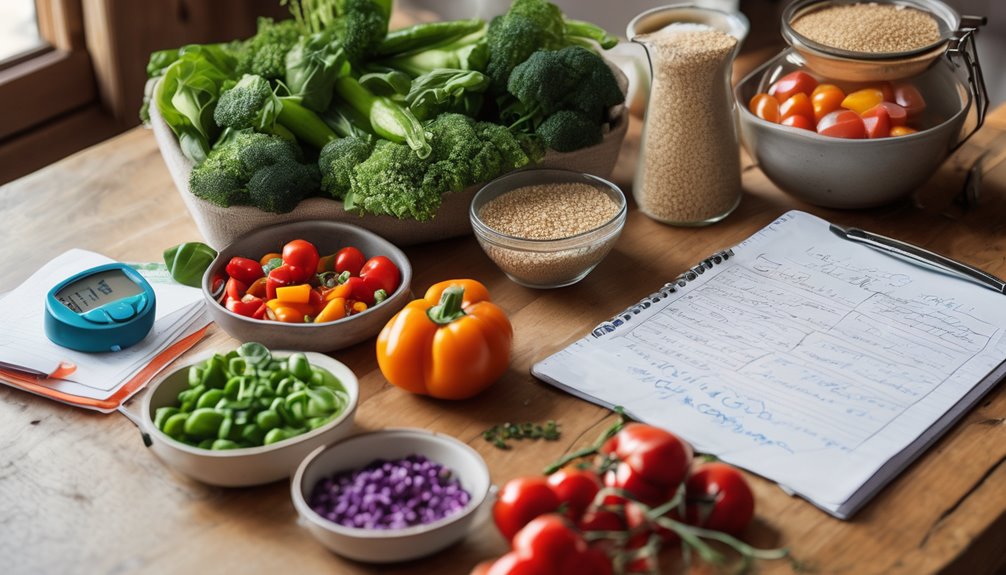
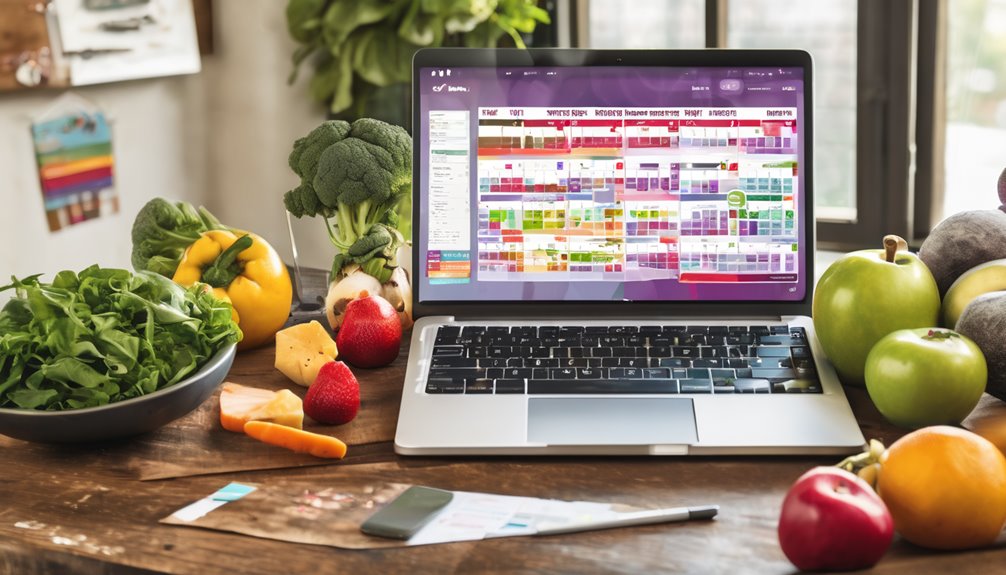
If you’ve been struggling to lose weight, meal planning can be a game changer. By organizing your meals in advance, you’ll create a structured approach that helps you maintain a caloric deficit. This means you’re consuming fewer calories than you burn, which is essential for weight loss.
Portion control also becomes easier; when you pre-portion your meals, you’re less likely to overeat. Research shows that people who plan their meals are more successful at sticking to their goals. You can choose healthier options and avoid the temptation of last-minute, unhealthy choices.
Plus, knowing what you’ll eat each day reduces stress and saves time. Embrace meal planning, and watch how it transforms your weight loss journey.
Key Components of a Successful Grocery List
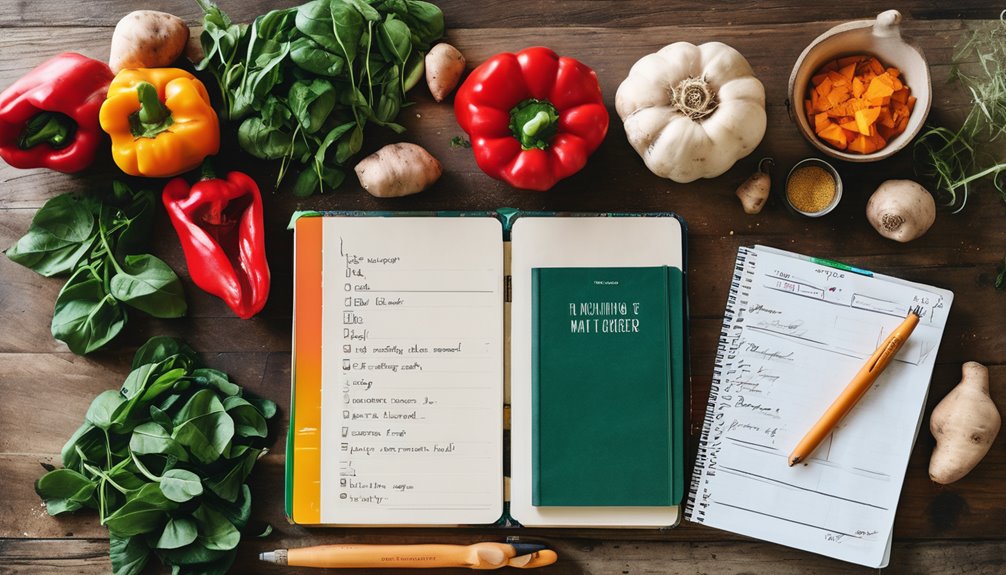
Creating a successful grocery list is crucial for effective meal planning, as it not only streamlines your shopping experience but also helps you stay committed to your weight loss goals.
Focus on nutrient density by choosing seasonal produce, which is often fresher and more budget-friendly. Include pantry staples like whole grains and legumes for versatility and easy meal prep.
Emphasize nutrient density by selecting seasonal produce and incorporating whole grains and legumes for versatile, budget-friendly meals.
Keep portion control in mind; opt for single servings of snacks or ingredients to avoid overeating. Consider healthy swaps, like Greek yogurt instead of sour cream, to boost nutrition.
Lastly, incorporate shopping tips like sticking to the outer aisles of the store, where whole foods typically reside, ensuring you maintain meal variety while supporting your weight loss journey.
How to Create a Balanced Meal Plan for Weight Loss
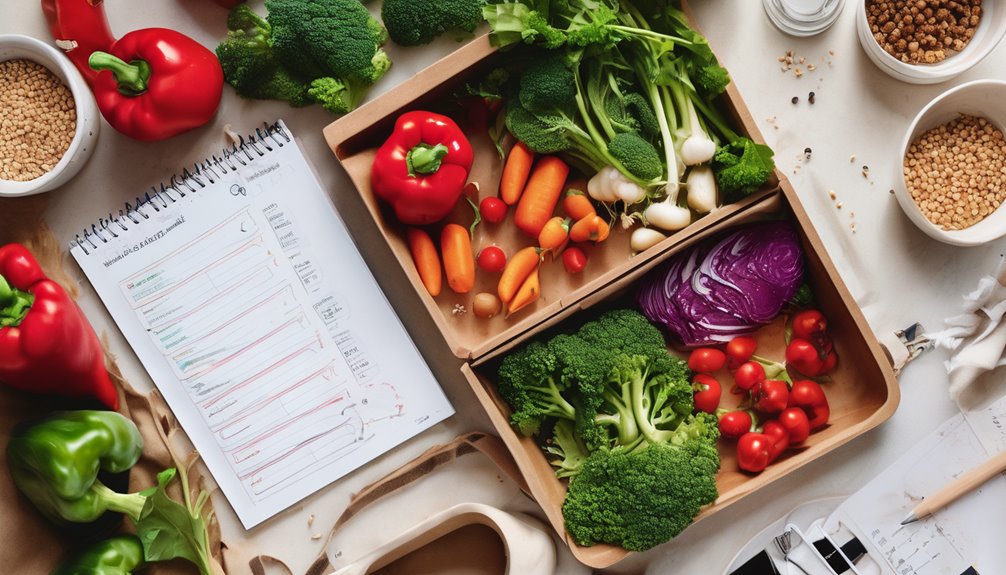
A well-structured meal plan is key to achieving weight loss goals while maintaining nutritional balance.
Focus on incorporating a variety of foods that promote nutrient density and support portion control. Here’s how to create your balanced meal plan:
- Include lean proteins: Chicken, fish, tofu, or legumes.
- Add healthy fats: Avocado, nuts, or olive oil.
- Incorporate whole grains: Quinoa, brown rice, or whole-grain bread.
- Load up on fruits and vegetables: Aim for a rainbow of colors for vitamins.
- Plan snacks wisely: Choose options like Greek yogurt or hummus with veggies.
Effective Meal Prep Strategies for Weight Loss
While planning your meals is crucial for weight loss, implementing effective meal prep strategies can make the process smoother and more sustainable.
Start by dedicating a specific day for prep each week, allowing you to batch-cook healthy meals. Focus on portion control by using containers that help you measure servings accurately.
Dedicating a prep day each week simplifies meal planning and ensures portion control with accurate serving containers.
Incorporate recipe variety to keep your meals exciting—try new spices or swap proteins to prevent boredom. Pre-chop vegetables and cook grains in bulk, making it easier to assemble meals quickly.
Lastly, don’t forget to plan for snacks; having healthy options ready can curb cravings and keep you on track.
With these strategies, you’ll find meal prep not only manageable but enjoyable, supporting your weight loss journey effectively.
Staying on Track With Your Meal Plan
Staying committed to your meal plan can be challenging, especially when life gets busy or stress levels rise. To help you stay on track, consider these practical strategies:
- Find accountability partners who share similar goals; they can motivate you and keep you honest.
- Use meal prep apps to organize your meals and streamline grocery budgeting.
- Practice mindful eating to truly savor your food, which can reduce overeating.
- Maintain portion control by using smaller plates and measuring servings.
- Explore recipe variety to keep your meals exciting and prevent boredom.
Dealing With Cravings While Sticking to Your Meal Plan?
Cravings can derail even the best meal plans, making it vital to have strategies in place to manage them effectively.
First, identify your craving triggers—stress or boredom may lead to emotional eating. When cravings hit, try healthy substitutes like air-popped popcorn or Greek yogurt.
Practicing mindful eating helps you savor each bite, reducing the urge to overindulge. Use distraction techniques, like going for a walk or reading a book, to shift your focus.
Remember the importance of hydration; sometimes, thirst masquerades as hunger. Keep nutrient-dense snacks handy to satisfy your cravings without sacrificing your goals.
Lastly, practice portion control to enjoy treats without guilt, ensuring you stay on track with your meal plan.
How to Adjust Your Meal Plan for Weight Loss Success
Adjusting your meal plan is crucial for achieving weight loss success, especially if you hit a plateau. To keep your progress on track, consider these practical strategies:
- Calorie tracking: Keep a record of your daily intake to identify areas for improvement.
- Portion control: Measure serving sizes to prevent overeating and maintain balanced meals.
- Variety: Mix up your meals to avoid boredom and ensure you’re getting all essential nutrients.
- Mindful eating: Focus on your meals, savor each bite, and listen to your body’s hunger cues.
- Regular reviews: Assess your meal plan weekly to make necessary adjustments based on your results and feelings.
These steps can help reignite your weight loss journey and foster a healthier relationship with food.
Frequently Asked Questions
How Often Should I Update My Meal Plan?
You should update your meal plan every few weeks to maintain meal frequency and ensure plan flexibility. This approach keeps things fresh, helps you adapt to changes, and supports your goals more effectively.
Can I Eat Out While Following My Meal Plan?
Yes, you can eat out while following your meal plan. Just choose healthier restaurant options and practice portion control. Focus on grilled dishes, salads, and share meals to stay aligned with your goals. Enjoy dining out!
What if I Don’T Like Some Meal Plan Options?
If you don’t like some meal plan options, adjust them to fit your personal preferences. Explore alternative options that excite you, ensuring your meals remain satisfying, enjoyable, and aligned with your goals. You’ve got this!
How Do I Handle Social Events With My Meal Plan?
At social events, use social strategies like choosing healthier options and practicing portion control. Don’t hesitate to communicate your goals with friends; they can support you, making it easier to enjoy while staying on track.
Is It Okay to Snack Between Meals While Losing Weight?
Absolutely, you can snack between meals while losing weight! Just focus on healthy snack options and practice portion control. It’ll keep your energy up and cravings down, making your journey more enjoyable and sustainable.
Conclusion
By embracing meal planning, you’re not just counting calories; you’re crafting a vibrant palette of nourishing foods that fuel your body and spirit. Picture a week filled with colorful fruits, crisp veggies, and lean proteins, all neatly prepped and waiting for you. This structured approach not only keeps you on track but also transforms your relationship with food. Stay committed, adjust as needed, and watch as your goals become reality. Your journey to weight loss success starts with that first planned meal!