Protein’s role in weight loss is often underestimated. It not only promotes feelings of fullness but also helps regulate hunger hormones, making it easier to resist cravings. By incorporating more protein into your diet, you can stabilize blood sugar levels and enhance your metabolism. But how do you effectively boost your protein intake while ensuring you’re still enjoying your meals? Understanding the nuances of protein can transform your approach to weight management.
Practical Ways to Boost Protein in Your Diet
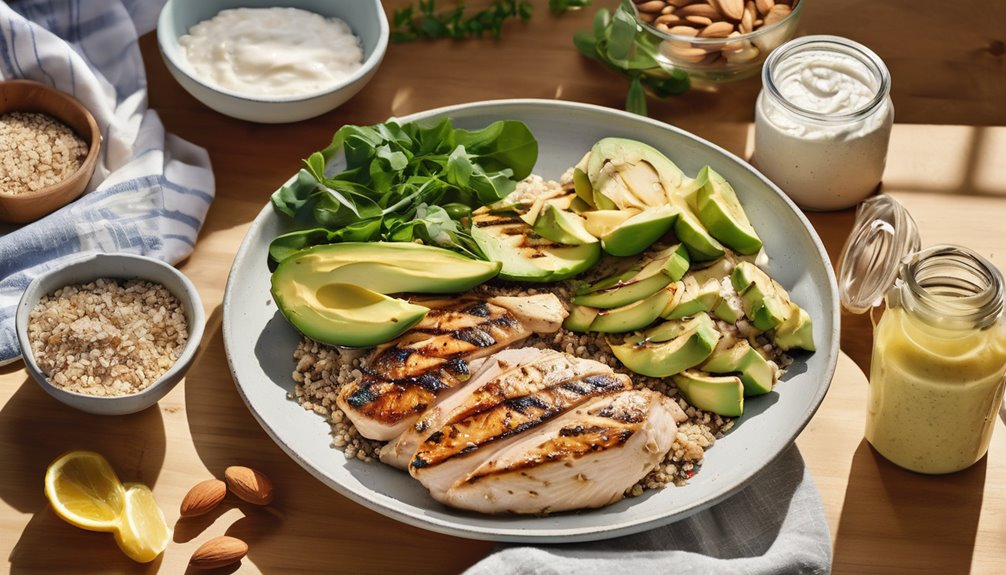
Boosting protein in your diet can be both simple and effective, and even small changes can make a big difference. Start by incorporating protein snacks like Greek yogurt or cottage cheese between meals to keep your energy levels stable.
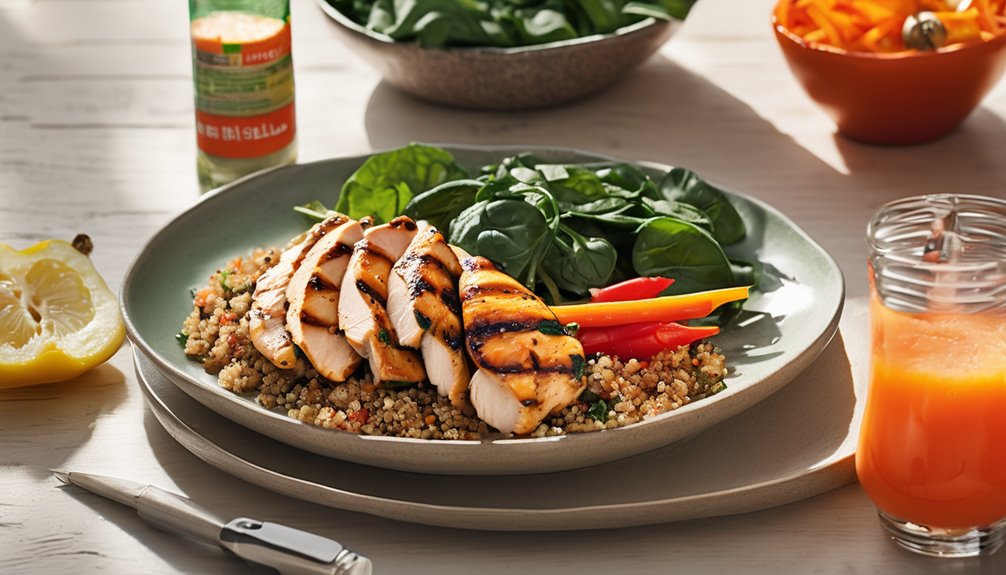
Consider protein smoothies for a quick breakfast or post-workout recovery; just blend your favorite fruits with protein supplements for a nutritious boost. When planning your meals, focus on lean protein sources such as chicken, fish, or legumes.
Don’t forget about protein timing—distributing your protein intake throughout the day can enhance muscle synthesis. Try easy protein recipes or grab protein bars for on-the-go options.
Common Myths About Protein and Weight Loss
What misconceptions do people have about protein and weight loss? Many dietary myths cloud your understanding of how protein really impacts your weight. Here are three common ones:
- Excessive Protein is Always Better: Consuming too much can hinder protein digestion and throw off your protein balance.
- Protein Timing is Essential: While timing can help, it’s more important to focus on overall protein quality and sources throughout the day.
- All Protein is Created Equal: Different protein sources have varying effects on your body; prioritize high-quality options for better results.
Protein’s Role in Reducing Hunger and Cravings
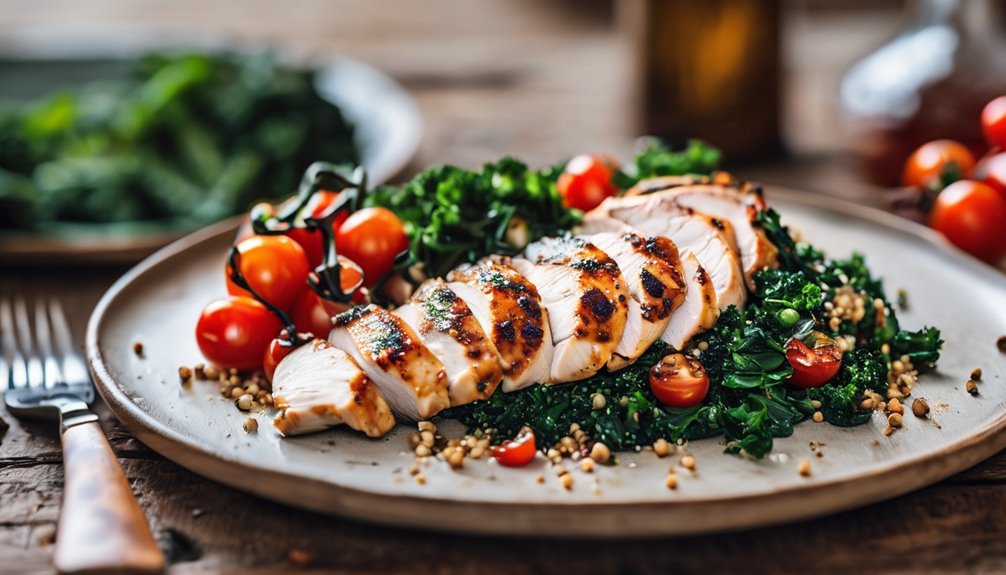
While many factors influence hunger and cravings, protein plays a vital role in regulating your appetite. It impacts hunger hormones, helping you feel fuller longer.
By focusing on protein timing, such as including it in every meal, you can effectively trigger satiety signals, reducing the urge to snack. When planning your meals, consider protein-rich food combinations that enhance flavor and satisfaction. This approach aids in portion control, making it easier to resist unhealthy snack choices.
Additionally, prioritizing protein can improve cravings management, as it stabilizes blood sugar levels. Incorporating more protein into your diet not only curbs hunger but also supports your weight loss goals, making you feel more in control of your eating habits.
How Protein Boosts Metabolism and Enhances Fat Burning
When you increase your protein intake, you not only support muscle repair but also give your metabolism a significant boost. This can enhance fat burning, making protein one of the top metabolism boosters.
Here’s how it works:
- Thermic Effect: Your body expends more energy to digest protein compared to fats or carbs, which increases calorie burn.
- Muscle Maintenance: More muscle mass means a higher resting metabolic rate, allowing you to burn more calories even when you’re not active.
- Satiation: Protein-rich foods help you feel full longer, reducing the likelihood of overeating.
Incorporating lean meats, legumes, and dairy into your diet can steer you toward effective fat burning foods, making your weight loss journey smoother.
Why Protein Helps You Keep Your Muscle While Losing Weight
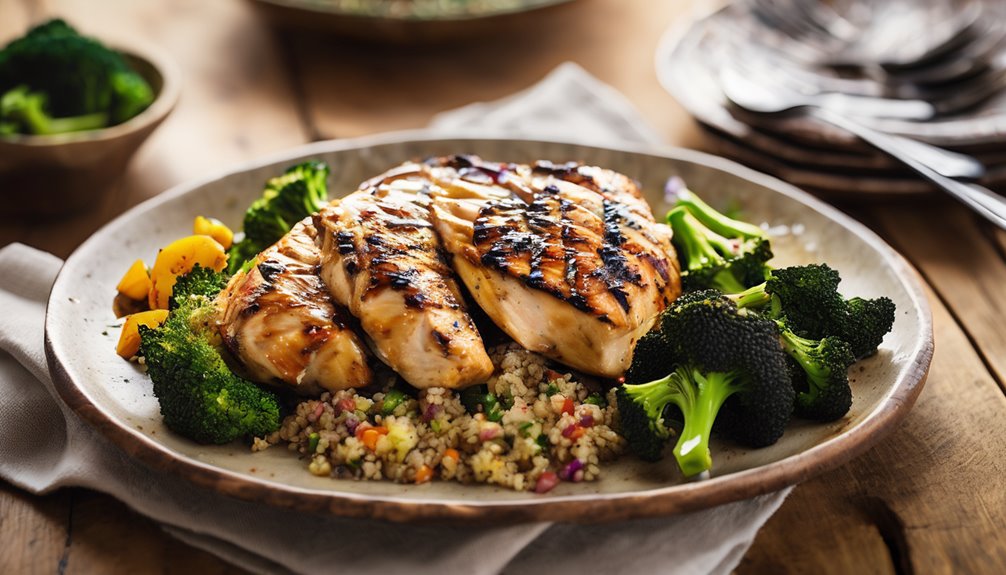
To maintain muscle mass during weight loss, increasing your protein intake is essential. Adequate protein supports muscle preservation by providing the amino acids needed for repair and growth, especially when you’re in a calorie deficit.
Research shows that higher protein diets help reduce muscle loss while promoting fat loss. Additionally, paying attention to protein timing can enhance its benefits. Consuming protein-rich meals or snacks after workouts can maximize muscle recovery and synthesis.
Aim for a balanced intake throughout the day, ensuring you include protein in each meal. This strategy helps you retain muscle, boosts your metabolism, and keeps you feeling full, making it easier to stick to your weight loss goals without sacrificing strength or performance.
Best Sources of Protein for Weight Loss
Choosing high-quality protein sources can significantly enhance your weight loss journey. Incorporating a variety of protein options can help you feel fuller and support muscle maintenance.
Here are some of the best sources:
- Lean meats: Chicken and turkey provide high protein with less fat.
- Plant proteins: Beans, lentils, and quinoa offer fiber and essential nutrients.
- Seafood choices: Salmon and tuna are rich in omega-3s and protein.
Don’t overlook dairy options like Greek yogurt or low-fat cottage cheese for calcium and protein.
Egg benefits include versatility and a complete amino acid profile.
Nut varieties add healthy fats along with protein.
Lastly, consider protein powders for convenient, on-the-go protein snacks.
Balancing these sources can make your weight loss journey more effective.
How Much Protein Should You Aim for Daily?
How much protein should you aim for daily to support your weight loss goals? Generally, you should target about 0.8 to 1.2 grams of protein per kilogram of body weight.
For example, if you weigh 70 kilograms, that’s around 56 to 84 grams of protein each day. This range can help you meet your daily requirements while promoting muscle retention during weight loss.
Incorporate various protein sources into your diet, such as lean meats, fish, dairy, legumes, and nuts, to ensure you’re getting all essential amino acids.
Adjust these numbers based on your activity level and specific goals; higher-intensity workouts might require more protein for recovery.
Consistent intake is key for maximizing the benefits of protein in your weight loss journey.
How to Monitor Protein Intake for Weight Loss Success
Monitoring your protein intake can significantly enhance your weight loss success, especially when you integrate practical strategies into your daily routine.
Here are some effective methods:
- Use Protein Apps: Track your protein intake easily by using mobile apps that help you log meals and monitor serving sizes.
- Plan Your Meals: Incorporate protein-rich foods into your meal planning to ensure adequate intake while considering your dietary preferences.
- Mind Your Snacks: Choose protein-packed snack options to maintain energy levels and curb hunger between meals.
Frequently Asked Questions
Can Protein Help Improve My Overall Health Beyond Weight Loss?
Yes, protein boosts your overall health by supporting muscle maintenance and enhancing immune function. It helps repair tissues, promotes recovery, and ensures your body stays resilient against illnesses, making it essential for your well-being.
Are Protein Supplements Necessary for Weight Loss?
You don’t need protein supplements for weight loss; “food is fuel.” Focus on whole protein sources like chicken or beans, and prioritize protein timing to enhance satiety and support your overall health goals effectively.
How Does Protein Impact Workout Recovery?
Protein aids workout recovery by promoting muscle repair and reducing soreness. When you consume adequate protein post-exercise, you support your body’s healing processes, helping you bounce back quicker and enhancing your overall performance in future workouts.
Is It Possible to Consume Too Much Protein?
Yes, you can consume too much protein. While your body efficiently metabolizes protein from various sources, excessive intake may strain your kidneys and lead to imbalances. Moderation is key for optimal health and performance.
Can Plant-Based Proteins Be as Effective as Animal Proteins?
Absolutely, plant-based proteins can be just as effective as animal proteins. Think of diverse protein sources like beans and quinoa as vibrant puzzle pieces, offering unique benefits that fuel your body and support your health.
Conclusion
Incorporating protein into your diet isn’t just a strategy; it’s your ally in the journey of weight loss. Like a sturdy bridge, it connects satiety, muscle preservation, and metabolism, helping you navigate through cravings and unhealthy snacking. By understanding and adjusting your protein intake, you can empower your body to burn fat more effectively while keeping muscle intact. Remember, each protein-rich meal is a step closer to your weight loss goals—fuel your journey with purpose!