When it comes to healthy weight loss, understanding the role of protein, choosing the right fruits, and selecting low-calorie vegetables is crucial. Each of these food groups contributes uniquely to your goals, enhancing satiety and boosting metabolism. You might wonder how healthy fats and whole grains fit into the picture. Exploring these elements can reveal the best strategies for achieving sustainable results without feeling deprived.
The Power of Protein: Why It’s Essential for Weight Loss
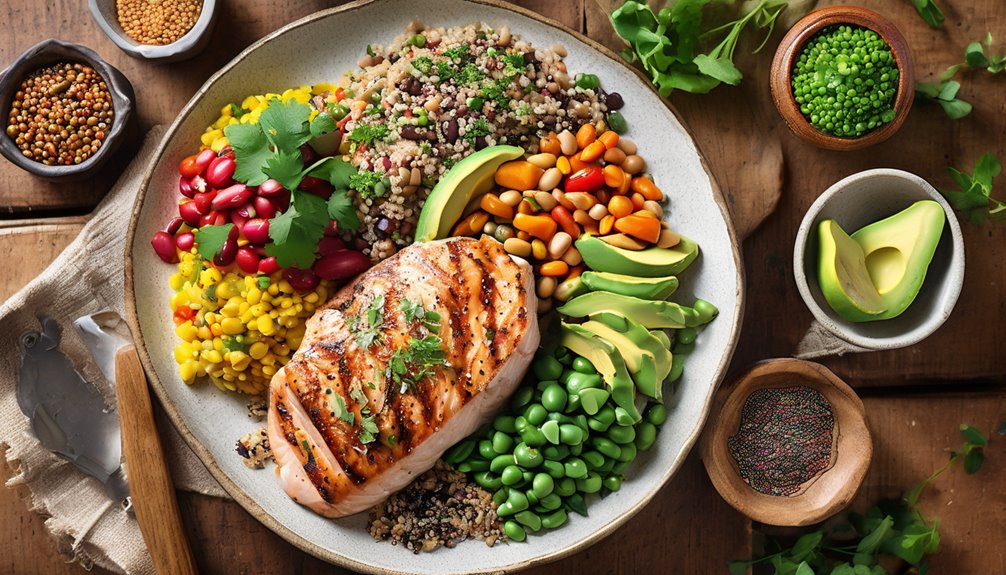
When it comes to weight loss, protein is your ally. Including quality protein sources like lean meats, legumes, and dairy can help you feel fuller longer, reducing cravings and overeating.
Research shows that higher protein intake can boost metabolism, aiding in fat loss while preserving muscle mass. But it’s not just about how much protein you consume; protein timing also matters.
Spreading your protein intake throughout the day—ideally in each meal—can optimize muscle repair and growth, further enhancing your weight loss efforts. Aim for a balanced diet that incorporates these protein sources, and you’ll set yourself up for success.
Best Fruits for Weight Loss
What fruits can actually support your weight loss journey? Incorporating berries into your diet can offer significant berry benefits; they’re low in calories and high in fiber, keeping you full.
Tropical fruits like pineapple and mango can satisfy your sweet tooth while providing hydration and essential vitamins. Try adding these fruits to fruit smoothies or fruit salads for a refreshing treat.
Remember to practice portion control, especially with higher-calorie options. Seasonal selections can also enhance your meals, making healthy eating enjoyable.
Finally, consider using fruits in low-calorie desserts to curb cravings without derailing your progress. By choosing a variety of fruits, you’ll not only support your weight loss but also enjoy a diverse, nutrient-rich diet.
Top Low-Calorie Vegetables for Your Weight Loss Goals
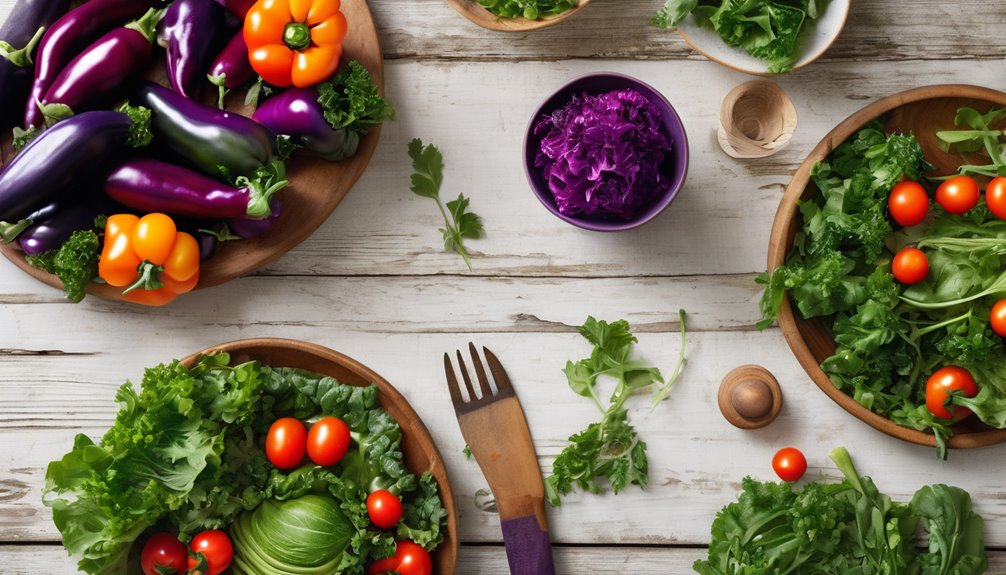
Incorporating low-calorie vegetables into your meals can be a game-changer for your weight loss journey.
Vegetables like spinach, cucumbers, and zucchini are packed with nutrients while being low in calories, making them perfect for weight loss. You can enjoy them as crunchy low-calorie snacks or blend them into delicious vegetable smoothies.
Not only do these options help you feel full, but they also provide essential vitamins and minerals that support overall health.
Additionally, incorporating a variety of colors and textures keeps your meals interesting and satisfying.
Healthy Fats for Weight Loss
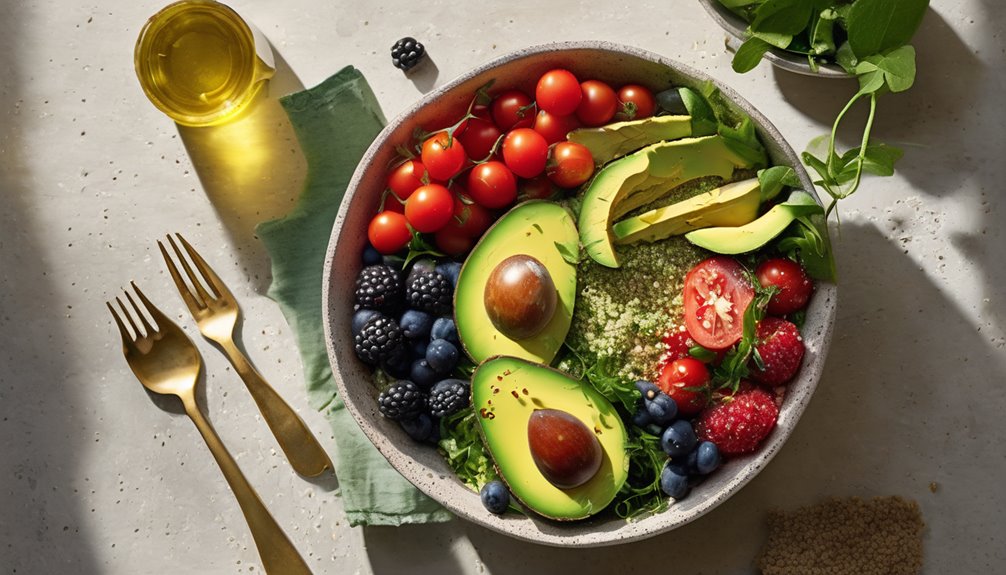
Low-calorie vegetables play a vital role in a weight loss plan, but don’t overlook the importance of healthy fats. Incorporating avocado benefits into your meals can enhance satiety and provide essential nutrients.
Nut varieties, like almonds and walnuts, offer protein and fiber, making them great snack options. Use olive oil as a dressing or cooking oil for heart health.
Fatty fish, such as salmon, is rich in omega-3s, promoting weight loss and overall wellness. Seed snacks, like chia or pumpkin seeds, are nutrient-dense and satisfying.
Coconut oil can be a versatile addition, while choosing low-fat cheese options can satisfy cravings without excessive calories. Lastly, dark chocolate in moderation can curb sweet cravings and provide antioxidants.
Whole Grains vs. Refined Grains: What You Should Choose
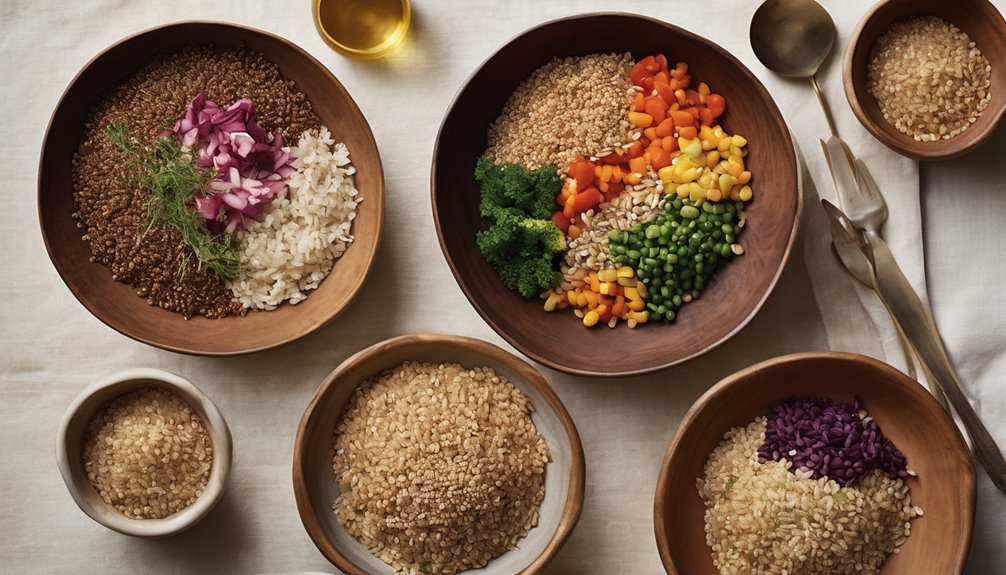
When choosing between whole grains and refined grains, how do you know which is better for your weight loss journey?
Whole grains, like brown rice and quinoa, retain their nutritional benefits, offering fiber, vitamins, and minerals that support digestive health. They typically have a lower glycemic index, promoting stable blood sugar levels and enhanced satiety factors, helping you feel full longer.
On the other hand, refined grains, such as white bread and pasta, lack these nutrients and can spike your blood sugar.
By opting for whole grains and paying attention to portion control, you can improve your cooking methods, making meals more satisfying and nutritious.
Ultimately, choosing whole grains can significantly contribute to your weight loss goals.
Fiber-Rich Foods: How They Keep You Full Longer
Fiber-rich foods play a crucial role in weight loss by helping you feel full longer, which can prevent overeating. Their fiber benefits include enhancing satiety factors, making it easier to manage hunger control.
Foods like beans, whole grains, fruits, and vegetables provide essential digestion support, promoting a healthier gut. When you pair fiber sources with protein, you create a balanced meal that maximizes fullness and nutrition balance.
This combination also optimizes health impacts by reducing the risk of chronic diseases. Incorporating more fiber into your diet not only aids in weight loss but keeps you satisfied, making it a smart strategy for maintaining healthy eating habits.
Embrace fiber for your weight loss journey!
Best Drinks for Weight Loss?
In addition to choosing fiber-rich foods, the right drinks can significantly enhance your weight loss efforts. Herbal teas, like green tea and chamomile, can boost metabolism and promote fat oxidation, making them excellent choices.
These teas are low in calories and provide antioxidants, which can aid overall health.
Protein smoothies are another fantastic option. When you blend protein powder with fruits and vegetables, you create a filling drink that can help curb cravings and support muscle maintenance.
Adding ingredients like spinach or berries increases the nutritional value without piling on calories.
Meal Prep Ideas for Incorporating These Foods
To effectively incorporate weight-loss-friendly foods into your routine, planning ahead is key. Start by choosing nutrient-dense options like lean proteins, whole grains, and plenty of vegetables.
Use meal prep containers to portion out your meals for the week, ensuring you control your servings. For example, grill chicken and pair it with quinoa and steamed broccoli. Divide it into portions, making healthy choices easy during busy days.
Incorporate snacks like Greek yogurt or mixed nuts in smaller containers to prevent overeating. Experiment with different recipes to keep your meals exciting while sticking to your goals.
Frequently Asked Questions
How Many Calories Should I Consume for Healthy Weight Loss?
To achieve healthy weight loss, you should aim for a caloric deficit of 500-1000 calories daily, depending on your metabolism. This helps you lose about 1-2 pounds per week, promoting sustainable weight management.
Can I Lose Weight Without Exercising?
Yes, you can lose weight without exercising. Focus on mindful eating and stress management. By being aware of your food choices and reducing stress, you’ll create a calorie deficit, promoting weight loss effectively.
Are There Any Foods to Avoid for Weight Loss?
Yes, avoid processed sugars, high-calorie snacks, refined grains, and sugary beverages. These foods can sabotage your weight loss efforts by increasing cravings and calorie intake, making it harder to achieve your goals. Stay mindful of your choices!
How Important Is Portion Control in Weight Loss?
Portion control’s as crucial as steering a ship; it guides your weight loss journey. By practicing mindful eating and understanding serving sizes, you can manage calorie intake effectively, making lasting changes in your eating habits.
What Role Does Sleep Play in Weight Loss?
Sleep plays a crucial role in weight loss. Poor sleep quality causes sleep deprivation, disrupting hormonal balance and circadian rhythm. This affects appetite regulation and lowers metabolic rate, making it harder for you to lose weight.
Conclusion
Incorporating these nutrient-dense foods into your meals can be a game changer for weight loss. Think of it as giving your body a nourishing makeover rather than a restrictive diet. By prioritizing protein, fiber, healthy fats, and whole grains, you’re not just shedding pounds; you’re cultivating a lifestyle that promotes well-being. So, embrace this balanced approach and watch your transformation unfold, as you enjoy delicious foods that support both your goals and your health.