Did you know that most people underestimate their portion sizes by nearly 20%? This common misconception can lead to overeating and weight gain over time. By mastering portion control, you can take significant steps toward mindful eating and effective weight management. Understanding simple techniques, like the plate method and visual cues, can make a big difference. Ready to find out how you can easily incorporate these practices into your daily routine?
Understanding Portion Control: Why It Matters
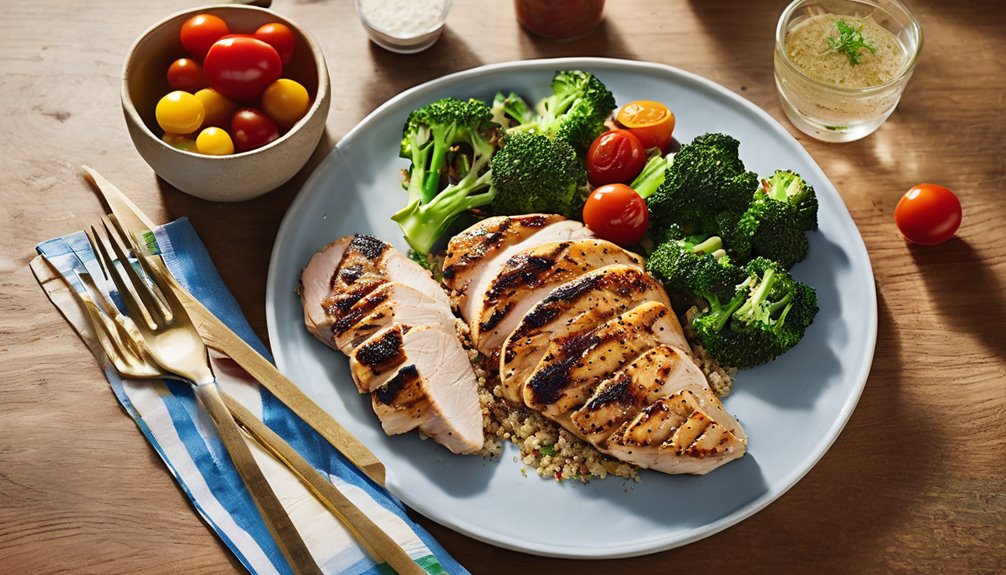
Understanding portion control is crucial, especially when you consider how easily our meal sizes can spiral out of control. By managing your portions, you can better align your food intake with your body’s hunger signals.
Foods with high caloric density, like processed snacks, can lead to overeating if you’re not careful. Instead, focus on filling your plate with nutrient-dense options that satisfy your hunger without excess calories.
When you tune into your body’s cues, you’ll find it easier to recognize when you’re full. This awareness not only helps with weight management but also supports overall health.
How to Use the Plate Method for Portion Control
One effective strategy for managing portion sizes is the Plate Method, which simplifies meal planning while promoting balanced nutrition.
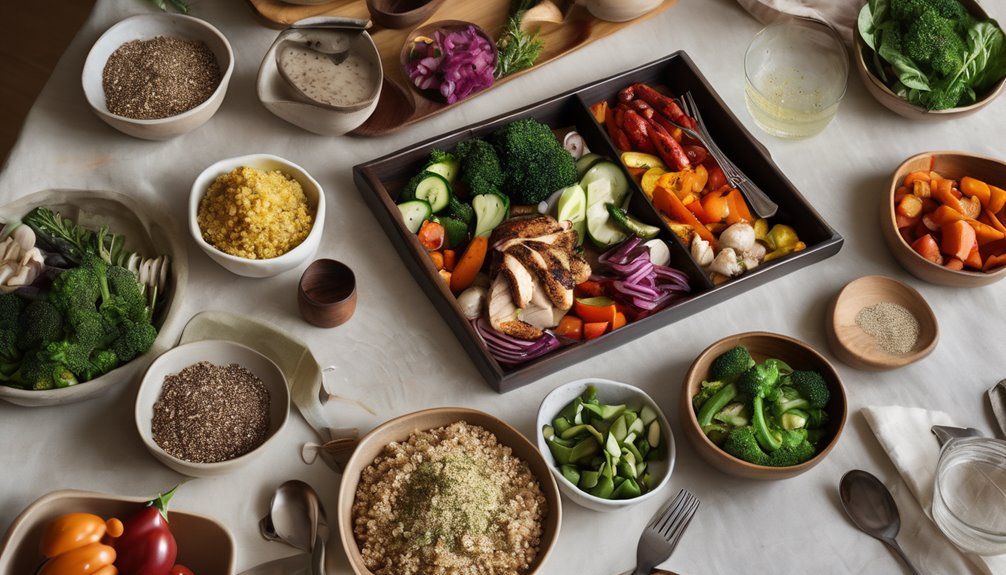
To use this method, start with a standard dinner plate. Fill half of it with non-starchy vegetables, like leafy greens or broccoli, to boost fiber and nutrients.
Next, allocate one-quarter of the plate for lean proteins, such as chicken or beans, which support muscle health.
Finally, use the remaining quarter for whole grains, like brown rice or quinoa, to provide energy.
By following these plate guidelines, you can create balanced meals that keep you satisfied without overeating.
This approach not only helps control portions but also encourages a variety of foods for optimal health.
Visual Cues for Portion Sizes
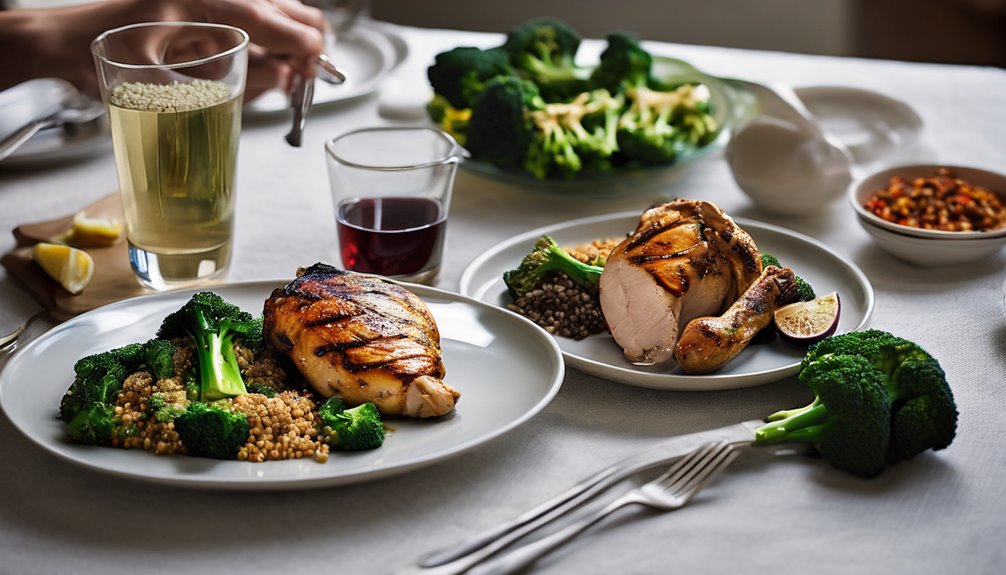
Using the Plate Method can help you visualize balanced meals, but incorporating additional visual cues can further enhance your portion control.
By adopting these strategies for visual portioning, you can easily gauge serving sizes without needing a scale.
- Hand as a Guide: Use your palm for protein portions and your fist for carbs.
- Bowl Size: Choose smaller bowls to limit the amount of food you serve yourself.
- Plate Divisions: Visualize your plate as thirds to balance veggies, proteins, and carbs.
- Food Comparisons: Compare serving sizes to common objects, like a tennis ball for fruit.
These cues make it easier to manage portions, helping you enjoy meals while staying on track with your health goals.
Master Measuring Tools for Portion Control
To effectively manage portion sizes, having the right measuring tools can make all the difference in your meal preparation.
Start with measuring cups; they’re essential for liquid and dry ingredients alike. By using them, you’ll ensure your servings are accurate, helping to prevent overeating.
A kitchen scale is another invaluable tool for portion control. It allows you to weigh foods, providing precise measurements that cups sometimes can’t. This is especially important for calorie-dense items like nuts or cheese.
Regularly using these tools not only helps you stick to portion sizes but also enhances your cooking skills.
Mindful Eating: Slowing Down to Savor
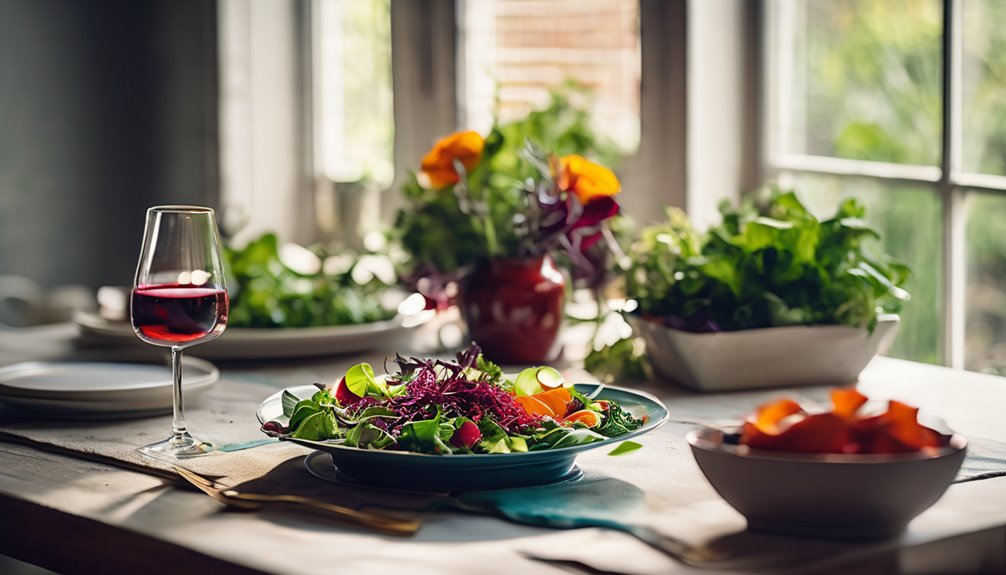
After mastering the art of measuring your portions, it’s time to focus on how you enjoy your meals. Mindful eating is a powerful tool that helps you appreciate food while promoting portion control. By eating slowly, you allow your body to recognize fullness cues and savoring flavors becomes a delightful experience.
- Take smaller bites to enjoy each flavor.
- Put your utensils down between bites.
- Eliminate distractions, like screens or loud environments.
- Chew thoroughly to enhance taste and texture.
Practicing these techniques not only improves your relationship with food but also aids digestion.
Meal Prep Tips for Effective Portion Control
Meal prepping not only saves time during busy weeks but also plays a crucial role in effective portion control. By engaging in batch cooking, you can prepare a variety of meals in one go, ensuring you have healthy options ready when hunger strikes.
To maximize your efforts, invest in different container sizes. Opt for smaller containers for snacks and larger ones for main meals, helping you visually gauge appropriate portions. Label each container with meal names and dates to keep track of freshness.
This way, you’re less likely to overeat and more inclined to stick to balanced meals. Embrace meal prepping as a sustainable habit, and you’ll find it easier to manage portions while enjoying delicious, home-cooked food.
What Common Mistakes Should You Avoid in Portion Control?
Even with meal prepping in place, common mistakes can derail your portion control efforts. Recognizing these pitfalls is crucial for success:
- Ignoring caloric density in foods can lead to overeating.
- Relying solely on serving sizes without adjusting for your needs.
- Falling victim to portion distortion, where larger plates make servings appear smaller.
- Allowing emotional eating to influence your choices, often leading to excess.
Be mindful of cultural influences on portion sizes and utilize food labeling to enhance portion awareness.
Opt for smaller plate sizes to help manage your intake visually.
By avoiding these mistakes, you’ll strengthen your portion control journey and foster a healthier relationship with food.
Frequently Asked Questions
How Do Portion Sizes Differ for Children and Adults?
Portion sizes differ significantly; child portioning typically involves smaller servings to match their energy needs, while adult servings are larger to support greater calorie requirements. Adjusting portions helps ensure balanced nutrition for everyone.
Can Portion Control Help With Specific Dietary Restrictions?
Yes, portion control can help you manage specific dietary restrictions. By following appropriate portion sizes and adhering to dietary guidelines, you’ll make healthier choices, ensure balanced nutrition, and better align your meals with your unique needs.
What Are the Psychological Effects of Portion Control?
Portion control enhances mindful eating and boosts food awareness, helping you recognize emotional triggers. By improving your portion perception, you’ll develop healthier habits, leading to better relationships with food and more balanced eating patterns over time.
How Can I Encourage Portion Control in Family Meals?
Start by involving your family in meal presentation; let everyone help with serving. You’ll create excitement around balanced portions, making it fun and engaging. Together, you can develop healthier habits that stick!
Are There Apps for Tracking Portion Sizes Effectively?
Yes, there are excellent portion size apps available. These tracking tools help you measure and monitor your serving sizes, making it easier to maintain healthy eating habits. Explore options like MyFitnessPal or Lose It! for effective tracking.
Conclusion
Incorporating portion control into your meals can transform your eating habits, turning mindless munching into mindful enjoyment. While it might feel restrictive at first, embracing these strategies opens the door to healthier choices and better weight management. By balancing your plate, using visual cues, and practicing mindfulness, you’ll find that satisfying your hunger doesn’t mean sacrificing flavor. Remember, it’s not just about eating less; it’s about eating smarter for a healthier you.