
Losing weight involves understanding your body, making mindful choices, and embracing sustainable habits. You can achieve your goals without feeling deprived by focusing on nutrient-dense foods and practicing portion control. Incorporating regular physical activity is also crucial. However, many overlook the impact of mindful eating and hydration. Discover how these elements work together to create a balanced approach that not only fosters weight loss but also enhances your overall well-being.
Understanding Sustainable Weight Loss

When you’re aiming for lasting weight loss, it’s crucial to understand that sustainable changes often outlast quick fixes. Creating a caloric deficit is essential, but it shouldn’t come at the cost of your metabolic rate or overall health.
Focus on dietary balance, incorporating a variety of foods to ensure you get necessary nutrients. Be mindful of emotional eating; understanding your triggers can help you make healthier choices.
Paying attention to food timing and meal frequency can enhance your results, as regular meals can stabilize your metabolism. Implementing lifestyle changes that fit your routine will make these adjustments easier to maintain.
Ultimately, the goal is to foster habits that support not just weight loss, but a healthier, more balanced life overall.
The Importance of Nutrient-Dense Foods
Making lasting changes in your diet means prioritizing nutrient-dense foods. Focus on whole foods that offer high vitamin density and a variety of antioxidant sources.
By incorporating healthy fats, you can enhance nutrient absorption and maintain balanced macros. Pay attention to your fiber intake, as it promotes satiety and aids digestion.
Consider nutrient timing and meal frequency; eating smaller, balanced meals throughout the day can help stabilize your energy levels.
Emphasizing food variety not only keeps your meals interesting but also ensures you receive a wide range of nutrients.
Effective Ways to Control Portion Sizes
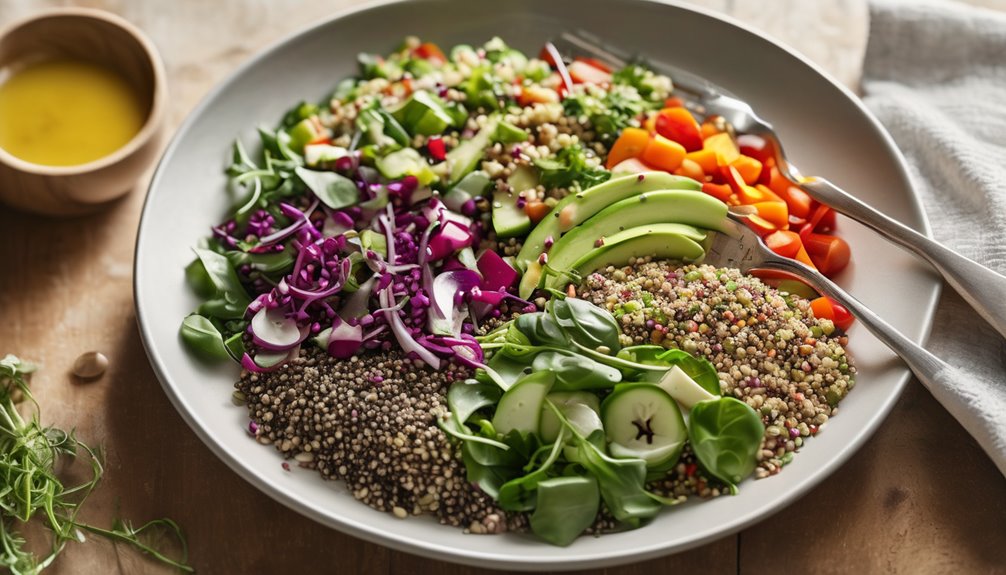
Although portion control can feel challenging, adopting effective strategies can help you manage your intake without sacrificing enjoyment.
Start by using visual portion guides, like comparing serving sizes to common objects. Consider mindful serving sizes—serve a little less than usual to encourage portion size awareness.
Implement eating pace strategies, such as putting down your fork between bites, which helps you recognize fullness.
Be mindful of plate size impact; smaller plates can trick your brain into thinking you’re eating more.
When dining with family, serve meals in the kitchen rather than at the table to control family meal portions.
For restaurant outings, share dishes or request smaller portions to stick to healthy eating goals while enjoying your meals.
Smart Snacking: Choosing Healthy Options
Smart snacking can be a game-changer in your weight loss journey. By making smart snack swaps, you can enjoy guilt-free treats that satisfy your cravings without derailing your progress.
Focus on portion control to keep your energy levels stable while managing calorie intake. Opt for fiber choices like fruits, veggies, or whole grains to enhance satiety, and include healthy fats such as nuts or avocados for an added boost.
These energy-boosting snacks not only curb hunger but also provide essential nutrients. Remember, the right snacks can fuel your day and support your goals, so choose wisely and enjoy the process.
Making these adjustments can lead to sustainable weight loss without feeling deprived.
How to Add Physical Activity to Your Daily Life

Incorporating physical activity into your daily routine doesn’t have to be overwhelming; it can be as simple as making small adjustments to your lifestyle.
Try scheduling walking meetings instead of sitting in a conference room. Engage in active hobbies like gardening or dancing, and don’t underestimate the calorie burn from household chores.
Take short fitness breaks during your workday, and consider using a standing desk to keep your energy up. Join community sports or plan family activities that involve movement, like hiking or biking.
Outdoor adventures can be both fun and invigorating. Lastly, include daily stretches to enhance flexibility and reduce tension.
These small changes can significantly boost your activity levels without feeling like a chore.
Meal Prep Tips for Weight Loss
Meal prepping can be a game-changer for your weight loss journey, helping you make healthier choices and save time during busy weeks.
Start by exploring easy recipes that align with your dietary goals, focusing on nutritious ingredients. Utilize grocery planning to ensure you have everything you need on hand, reducing impulse buys.
Batch cooking is a great way to prepare meals in advance, making it easier to stick to your plan. Invest in effective storage solutions to keep your meals fresh and organized.
Don’t forget flavor enhancements; herbs and spices can make healthy swaps more enjoyable.
With good time management, meal prep can fit seamlessly into your routine, setting you up for long-term success in weight loss.
Why Staying Hydrated Helps You Manage Your Weight
Staying hydrated plays a significant role in managing your weight effectively. Adequate water intake helps you recognize thirst signals, preventing unnecessary snacking.
Hydration benefits extend to metabolism boost, as water aids in energy expenditure. By maintaining fluid balance, you support digestive health, ensuring your body processes nutrients efficiently.
Additionally, drinking water before meals can enhance appetite control, leading to calorie reduction. Studies show that those who stay hydrated often consume fewer calories overall.
Incorporating water-rich foods and beverages into your diet can further help in this regard. By prioritizing hydration, you not only support your weight management goals but also promote overall well-being, making it easier to maintain a healthy lifestyle without feeling deprived.
Mindful Eating Techniques to Avoid Overindulging
Although it may seem challenging, practicing mindful eating can significantly help you avoid overindulging. Start by tuning into your hunger cues; listen to your body’s signals.
Implement eating rituals, like setting a specific meal time, to create structure. Focus on sensory feedback—savor the flavors, textures, and aromas of your food.
Reducing distractions during meals can enhance your awareness, making it easier to recognize when you’re full. Consider food journaling to track your eating habits and identify triggers for emotional eating.
Additionally, practice gratitude before meals, which can shift your mindset toward appreciation rather than mindless consumption.
Setting Realistic Weight Loss Goals
Practicing mindful eating not only helps you tune into your body’s signals but also sets the stage for establishing realistic weight loss goals.
Start by setting achievable targets, like losing 1-2 pounds per week. This pace promotes sustainable change and reduces feelings of deprivation.
Make sure your goals align with your lifestyle and current habits, fostering realistic expectations. Instead of focusing solely on the scale, consider non-scale victories, such as improved energy levels or better sleep quality.
Remember, goal setting is about progress, not perfection. Regularly assess and adjust your goals as needed, ensuring they remain relevant to your journey.
How to Stay Motivated During Your Weight Loss Journey
How can you keep your motivation high during your weight loss journey? Start by cultivating a strong weight loss mindset. Use positive affirmations daily to reinforce your goals.
Consider partnering with an accountability buddy; sharing your progress can boost motivation. Track your progress consistently—seeing improvements can be incredibly encouraging.
Implement reward systems for milestones achieved; treat yourself to something non-food-related. Visualization techniques can help you picture your success, making goals feel more attainable.
Focus on habit formation to create lasting changes, and incorporate self-care practices to manage stress. Finally, keep a collection of motivational quotes handy to inspire you during tough moments.
Frequently Asked Questions
Can I Lose Weight Without Exercising at All?
Yes, you can lose weight without exercising by creating a caloric deficit through mindful eating, practicing portion control, and opting for healthy snacking. These strategies help you manage intake while still enjoying your meals.
What Are Common Weight Loss Myths to Avoid?
Weight loss myths can be as misleading as believing a magic wand can melt away pounds. Avoid calorie counting obsession, fad diets, and meal timing extremes. Focus on mindful eating, portion control, nutrient density, and healthy snacks.
How Does Sleep Affect Weight Loss?
Sleep affects weight loss significantly. Poor sleep quality and insufficient sleep duration disrupt hormonal balance, leading to increased hunger and cravings. This imbalance can lower your metabolic rate, making it harder for you to lose weight.
Are There Supplements That Aid Weight Loss?
Yes, there are supplements that can aid weight loss. Appetite suppressants, metabolism boosters, natural extracts, and fat blockers may help, but it’s crucial to consult a healthcare professional before starting any supplement regimen for safety and effectiveness.
How Do Stress and Emotions Impact Eating Habits?
Stress and emotions significantly influence your eating habits. Emotional eating often becomes a coping mechanism. Identifying stress triggers and practicing mindful eating can help you regain control, fostering healthier responses to emotional challenges instead of turning to food.
Conclusion
In your journey to lose weight without starving, remember that slow and steady wins the race. By prioritizing nutrient-dense foods, mindful eating, and regular physical activity, you’re not just shedding pounds; you’re crafting a healthier lifestyle. Staying hydrated and setting realistic goals can further enhance your progress, keeping you motivated along the way. Embrace each small change as a stepping stone toward lasting success, and watch how they transform your relationship with food and health.