
When you’re working to lose weight, it’s crucial to consider how to preserve muscle mass. Many people overlook this aspect, often focusing solely on the scale. Ensuring adequate protein intake, engaging in strength training, and timing your nutrition can make a significant difference. Understanding your body’s needs and the right strategies will help you avoid common pitfalls. So, what steps can you take to effectively maintain muscle while shedding those extra pounds?
Understanding the Importance of Muscle Preservation for Weight Loss
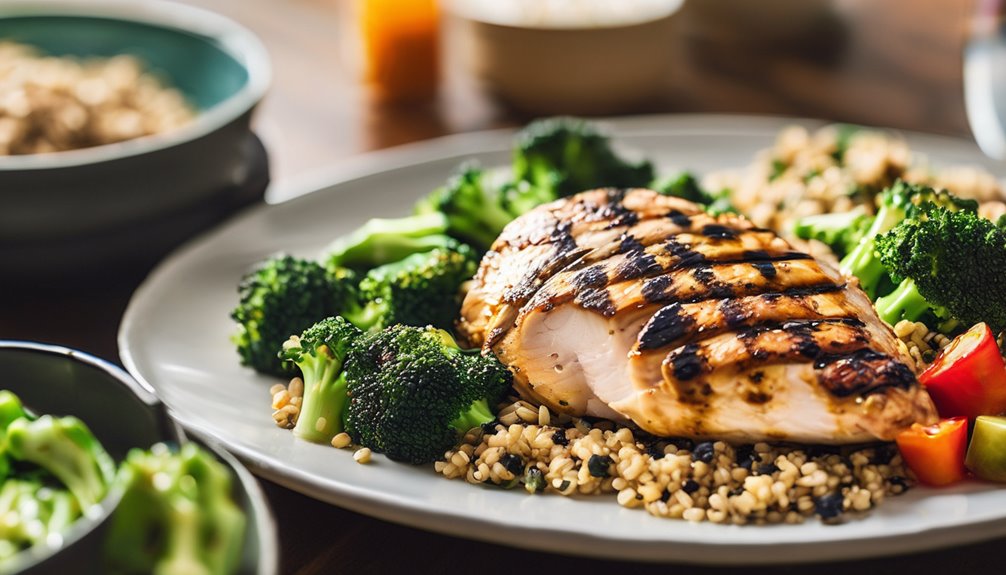
When you embark on a weight loss journey, preserving muscle mass is crucial for achieving long-term success.
Muscle metabolism plays a significant role in how your body burns calories, making it essential to maintain your muscle during weight loss. Losing muscle can slow down your metabolism, making it harder to reach your goals.
To combat this, focus on recovery nutrition after workouts. Consuming adequate protein and carbohydrates helps repair muscle fibers and supports growth. This not only aids recovery but also ensures that you retain muscle mass while shedding fat.
Calculate Your Optimal Protein Needs
To effectively preserve muscle while losing weight, calculating your optimal protein needs is key. Aim for about 1.2 to 2.2 grams of protein per kilogram of body weight, depending on your activity level.
Use diverse protein sources like lean meats, dairy, legumes, and plant-based options to meet these targets. It’s also essential to consider protein timing; spreading your intake throughout the day can enhance muscle protein synthesis.
Try to include a source of protein in each meal and snack, especially post-workout. This approach not only supports muscle retention but also aids in recovery.
How Strength Training Helps You Keep Muscle

Strength training is essential for preserving muscle mass during weight loss. Engaging in resistance training helps stimulate muscle hypertrophy, which is crucial when you’re cutting calories. By lifting weights or using resistance bands, you create micro-tears in your muscle fibers.
When your body repairs these tears, it builds stronger, denser muscles, counteracting the potential loss from a calorie deficit.
Additionally, strength training boosts your metabolism, allowing you to burn more calories at rest. Incorporating compound exercises like squats and deadlifts engages multiple muscle groups, maximizing efficiency.
Aim for at least two to three sessions per week, focusing on progressive overload to continue challenging your muscles. This approach not only preserves muscle but also enhances your overall body composition as you lose weight.
Best Diets for Muscle Retention
While various diets can support weight loss, choosing one that prioritizes muscle retention is crucial for maintaining strength and metabolism. A high protein diet is essential, as it helps preserve muscle mass during caloric deficits.
The keto diet and paleo diet can be effective, but ensure you’re consuming enough protein. Intermittent fasting can work too, as long as you focus on nutrient-dense meals. Carb cycling may help you maintain energy for workouts while supporting muscle retention.
For those following a vegan diet, prioritize plant-based protein sources. The Mediterranean diet, rich in healthy fats and lean proteins, also promotes muscle health.
Finally, flexible dieting allows you to enjoy a variety of foods while meeting your nutritional needs for muscle retention.
Finding the Right Balance: Cardio and Muscle Mass

Finding the right balance between cardio and muscle mass is essential for anyone looking to lose weight without sacrificing strength. To achieve this, focus on cardio intensity and workout duration.
Aim for moderate-intensity sessions that last about 20-30 minutes, three to four times a week. This frequency helps maintain your metabolic rate while providing cardiovascular benefits.
Incorporate exercise variety to keep your body challenged and engaged. Be mindful of recovery time; overdoing cardio can hinder muscle growth.
Prioritize energy balance by ensuring you’re consuming enough calories to support your training. By strategically blending cardio with strength training, you’ll enhance muscle retention and overall fitness, making your weight loss journey more effective and sustainable.
Top Supplements for Muscle Retention
Balancing cardio with strength training is a key strategy for preserving muscle mass during weight loss, but the right supplements can further enhance your efforts.
Creatine monohydrate benefits include improved strength and muscle retention, making it an excellent choice for those cutting calories. It helps replenish ATP levels, allowing you to maintain your workout intensity.
Additionally, branched chain amino acids (BCAAs) play a crucial role in muscle preservation. They reduce muscle soreness and promote recovery, which can be particularly valuable when you’re in a calorie deficit.
By incorporating these supplements into your routine, you can help safeguard your muscle mass while still achieving your weight loss goals.
Always consult a healthcare professional before starting any new supplement regimen.
Common Mistakes to Avoid for Muscle Preservation
To effectively preserve muscle during weight loss, it’s crucial to avoid several common pitfalls that can undermine your efforts.
One major mistake is neglecting nutrient timing; consuming protein and carbohydrates around your workouts boosts muscle recovery and helps maintain mass.
Skipping meals or drastically cutting calories can also lead to muscle loss, so aim for a moderate deficit instead.
Additionally, don’t overlook strength training; it’s essential for stimulating muscle growth, even when you’re losing weight.
Lastly, ensure you’re getting enough sleep; inadequate rest hampers recovery and can lead to increased muscle breakdown.
Effective Strategies for Fat Loss Without Losing Muscle
Preserving muscle while shedding fat requires a strategic approach that incorporates both diet and exercise. Start by creating a moderate caloric deficit—aim for about 500 calories less than your maintenance level. This helps promote fat loss while minimizing muscle loss.
Focus on protein-rich foods to support muscle repair and growth; aim for at least 1.6 grams of protein per kilogram of body weight. Meal timing also plays a crucial role. Distributing protein intake evenly throughout the day can enhance muscle protein synthesis.
Incorporate strength training at least three times a week to stimulate muscle retention. Lastly, stay hydrated and ensure you’re getting enough sleep, as both are vital for recovery and overall performance.
These strategies will help you achieve your fat loss goals without sacrificing muscle.
Frequently Asked Questions
How Quickly Can I Expect to Lose Muscle During Weight Loss?
You might start losing muscle within weeks if you don’t use muscle preservation strategies. Many fat loss misconceptions suggest rapid weight loss is beneficial, but slower, steady approaches are more effective for preserving muscle mass.
Does Age Affect Muscle Retention During Weight Loss?
Yes, age affects muscle retention during weight loss. As you age, muscle aging and metabolic changes can lead to greater muscle loss. Prioritizing strength training and protein intake can help mitigate these effects effectively.
Can Stress Impact Muscle Preservation While Dieting?
Stress can significantly impact muscle preservation while dieting. Studies show high cortisol levels can lead to muscle loss. Prioritize stress management, optimize nutrition timing, and adjust workout intensity to support your muscle retention goals.
Is Intermittent Fasting Safe for Maintaining Muscle Mass?
Yes, intermittent fasting can be safe for muscle preservation if you ensure adequate protein intake and strength training. By balancing your nutrition and workout routine, you can maintain muscle mass while reaping fasting’s benefits.
What Role Does Hydration Play in Muscle Retention?
Hydration strategies and proper water intake support muscle retention by optimizing performance, enhancing recovery, and preventing fatigue. Staying hydrated ensures your muscles function well, helping you maintain strength while pursuing your fitness goals.
Conclusion
To keep muscle while shedding fat, remember that you can’t have your cake and eat it too. Prioritize protein, engage in regular strength training, and balance your caloric intake. Avoid excessive cardio that might sabotage your muscle gains. By focusing on these strategies, you’ll not only maintain your hard-earned muscle but also achieve sustainable weight loss. Stay consistent, listen to your body, and enjoy the journey to a healthier you.