Did you know that protein plays a vital role in maintaining muscle mass while you’re on weight loss medication? It’s not just about cutting calories; ensuring you get enough protein can significantly impact your metabolism and overall success. Understanding how much protein you need and the best sources to include in your diet can make a difference. So, how do you effectively meet these protein needs without feeling overwhelmed?
How Protein Supports Weight Loss Medications
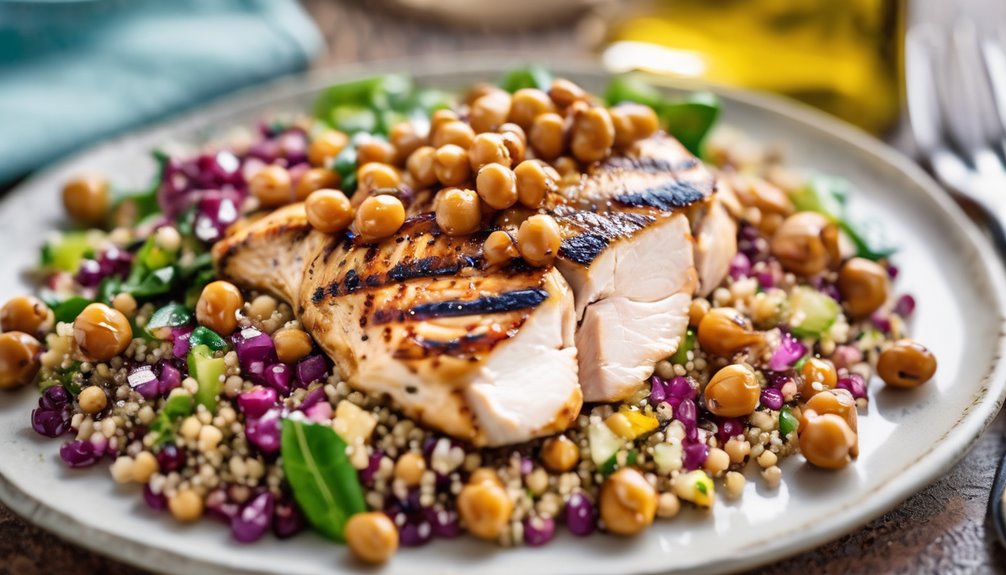
When you’re on weight loss medication, incorporating adequate protein into your diet can play a crucial role in your success.
Protein is vital for protein synthesis, which helps your body build and repair tissues. This is especially important when you’re losing weight, as it aids in muscle preservation.
Maintaining muscle mass can enhance your metabolism, making it easier to achieve your weight loss goals.
When you prioritize protein, you’re not just fueling your body; you’re also safeguarding against the muscle loss often associated with weight loss medications.
By including sources like lean meats, fish, legumes, and dairy, you can effectively support your body’s needs while on this journey.
How Much Protein Intake Do You Need for Weight Loss?
How do you determine the right amount of protein you need while on weight loss medication? Aim for about 1.2 to 2.0 grams of protein per kilogram of body weight daily, depending on your activity level and weight loss goals.
Prioritizing protein quality is crucial; opt for lean meats, dairy, legumes, and plant-based sources.
Don’t forget about protein timing, too—distributing your intake evenly throughout the day can enhance muscle retention and satiety. For example, try to include a source of protein in each meal and snack.
This approach not only supports your weight loss journey but also helps maintain energy levels and curb cravings, making it easier to stick to your plan.
Select the Best Protein Sources for Your Diet
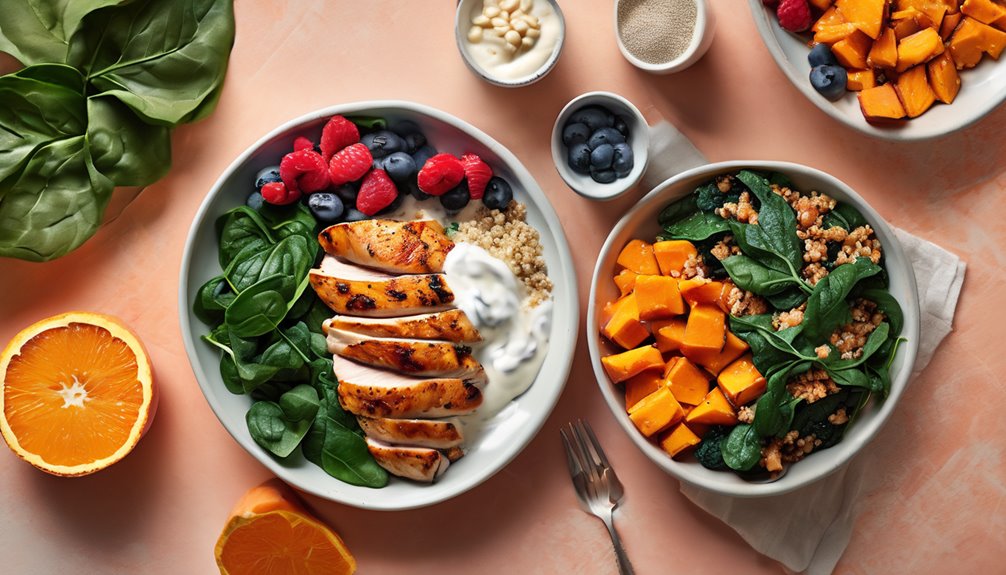
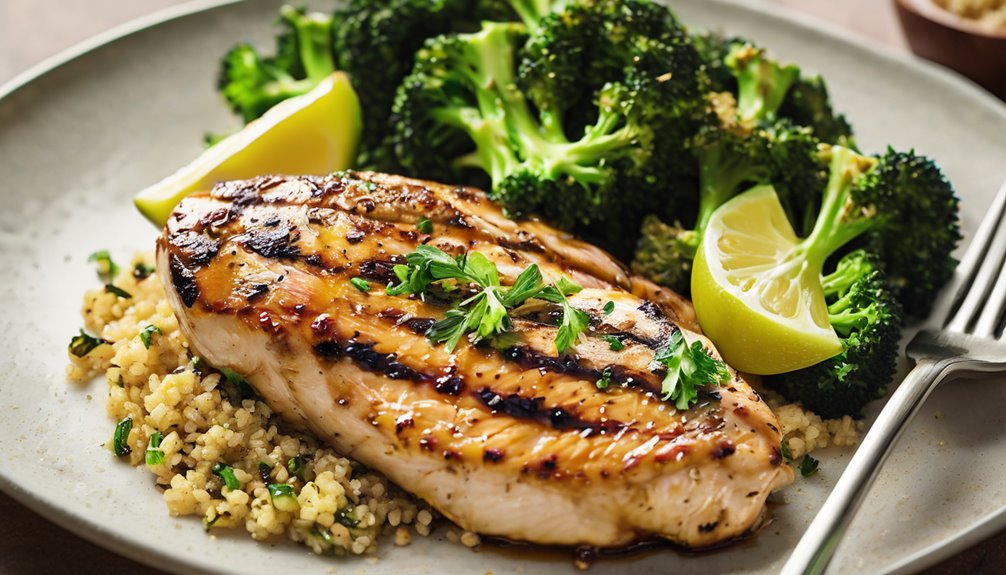
Choosing the right protein sources can significantly impact your weight loss journey, especially while on medication. Start with lean meats like chicken and turkey, which provide essential amino acids without excess fat.
Incorporate seafood choices such as salmon and shrimp for healthy omega-3 fats. Don’t overlook dairy sources, like Greek yogurt and cottage cheese, offering both protein and probiotics.
For plant-based options, consider lentils, chickpeas, and quinoa, which are high in fiber and nutrients. If you’re looking for quick snacks, protein bars or mixed nuts can be satisfying.
Additionally, protein powders can be a convenient meal prep solution. For those avoiding eggs, explore egg alternatives made from plants, ensuring you still get quality protein without compromising your dietary choices.
When Should You Eat Protein for Best Results?
Timing your protein intake can make a significant difference in your weight loss journey, especially if you’re on medication. To optimize results, focus on meal timing and protein distribution throughout the day.
Aim to include a source of protein in each meal and snack, ideally consuming 20-30 grams per meal. This approach not only helps maintain muscle mass but also supports metabolic health.
Eating protein-rich foods in the morning can enhance satiety and curb cravings throughout the day. Additionally, spacing your protein intake every 3-5 hours allows your body to utilize it effectively, promoting better overall results.
How Protein Affects Hunger and Appetite Control
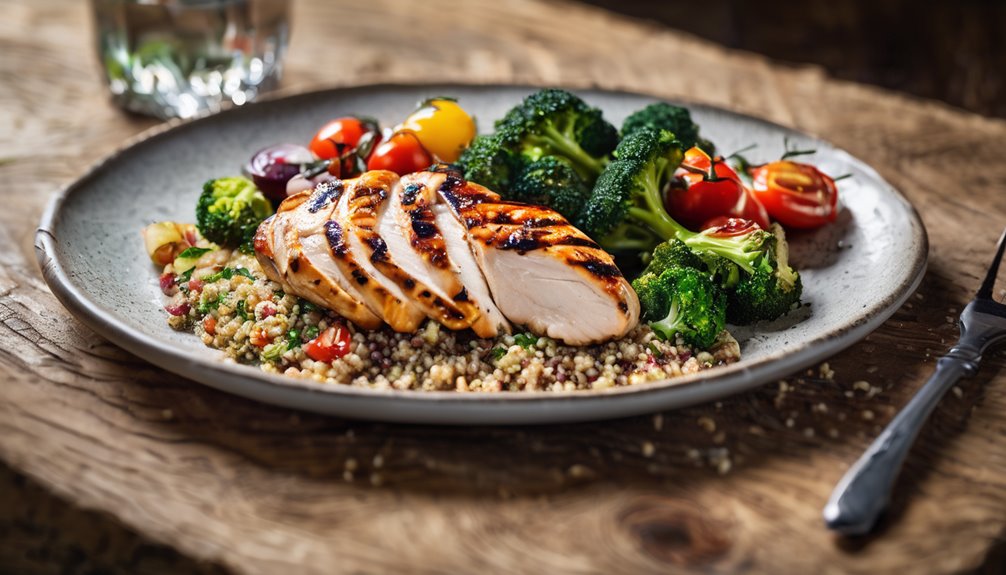
When you include protein in your meals, you’re not just fueling your body; you’re also actively managing hunger and appetite.
Protein plays a crucial role in appetite regulation by influencing hunger hormones like ghrelin and peptide YY. Higher protein intake can reduce ghrelin levels, which helps curb your appetite, making you feel fuller for longer. This means you’re less likely to snack or overeat later in the day.
Additionally, protein’s thermogenic effect requires more energy for digestion, which can further control hunger. By prioritizing protein-rich foods, you can enhance your satiety and support your weight loss journey.
Balancing your meals with adequate protein helps you stay on track, making it easier to manage cravings and maintain a healthy eating pattern.
Common Nutritional Challenges When Using Weight Loss Medications
While weight loss medications can aid in your journey, they often come with nutritional challenges that can impact your overall health. You may find yourself facing nutritional deficiencies, especially if your appetite decreases or you’re unsure how to plan balanced meals.
It’s crucial to prioritize nutrient-dense foods to ensure you’re getting enough vitamins and minerals. Meal planning can help you make intentional choices, but it often requires extra effort and knowledge about nutrition.
Without proper planning, you risk missing essential nutrients, which can hinder your progress and lead to fatigue or other health issues. Staying mindful of these challenges is key to maintaining a healthy, balanced diet while using weight loss medications.
Effective Strategies for Increasing Protein Intake
To effectively boost your protein intake while on weight loss medication, focus on incorporating a variety of high-quality protein sources into your meals and snacks.
Consider meal prepping to ensure you always have healthy options on hand. Protein smoothies are a quick and delicious way to get your intake up; just blend your favorite fruits with a scoop of protein powder.
For snack ideas, try protein bars or a handful of nuts. Use recipe swaps to make your favorite dishes more protein-rich, like adding beans to soups or quinoa to salads.
Remember to practice portion control, ensuring you spread your protein intake throughout the day for optimal protein timing.
Don’t forget to explore plant-based options, too!
How to Track Protein Intake and Adjust as Needed?
How can you effectively track your protein intake and make necessary adjustments? Start by using a food diary or a mobile app for protein tracking. These tools help you log your meals, making it easier to see how much protein you’re consuming daily.
Aim for a target based on your weight loss goals and medication needs, often around 0.6 to 1.0 grams per pound of body weight.
Regularly review your intake. If you’re falling short, consider adding protein-rich snacks or adjusting portion sizes.
Don’t hesitate to consult a registered dietitian for personalized advice on intake adjustments.
Frequently Asked Questions
Can I Consume Protein Supplements While on Weight Loss Medication?
Yes, you can consume protein supplements while on weight loss medication. Different protein supplement types, like whey or plant-based, can support your goals and provide weight loss benefits by promoting satiety and preserving muscle mass.
What Are the Side Effects of High Protein Intake?
High protein intake can hit your kidneys like a freight train. You might face digestive issues, such as bloating or constipation, and potential long-term effects on kidney health. Balance is key for optimal well-being.
Does Protein Intake Vary by Age or Gender?
Yes, protein intake does vary by age and gender. Generally, older adults need more protein to maintain muscle, while men often require higher amounts than women, reflecting differences in body composition and metabolic needs.
How Does Protein Interact With Other Medications?
Protein can impact medication efficacy by influencing protein absorption. If you’re consuming high-protein meals, certain medications might absorb differently, affecting how well they work. It’s essential to discuss your diet with your healthcare provider for optimal outcomes.
Can I Get Enough Protein From a Vegetarian Diet?
Absolutely, you can secure sufficient protein from a vegetarian diet! Focus on fabulous vegetarian protein sources like legumes, nuts, and quinoa, while considering protein quality to ensure you meet your body’s nutritional needs effectively.
Conclusion
In your weight loss journey, think of protein as your trusted ally, much like a shield in a battle. By meeting your protein needs, you’re not just preserving muscle mass; you’re fortifying your metabolism and keeping hunger at bay. Remember, it’s not just about how much protein you consume, but when and where it comes from. Stay vigilant with your intake, and you’ll navigate the challenges of weight loss medication with confidence and success.