Maintaining optimal health as an adult requires a thoughtful approach to vitamin intake. You might not realize how easily deficiencies can sneak in due to busy lifestyles or dietary choices. A personalized vitamin reminder checklist can help you stay on track, ensuring you get the essential nutrients your body needs. Curious about which vitamins are most crucial for you and how to effectively incorporate them into your routine? Let’s explore the essential elements of a successful vitamin checklist.
Key Takeaways
- Assess your lifestyle and dietary habits to identify specific vitamin needs tailored to your age and activity level.
- Create a checklist of essential vitamins, including vitamin D, C, and B vitamins, based on personal requirements.
- Set a consistent schedule for taking vitamins, pairing them with daily routines for better adherence.
- Use reminders, such as alarms or sticky notes, to ensure you don’t miss your vitamin intake.
- Regularly review and adjust your checklist as your lifestyle and health needs change.
Essential Vitamins for Adult Health

When it comes to maintaining your health, understanding essential vitamins is crucial. Your body’s ability to absorb these nutrients can change over time, especially as you age.
For instance, older adults often have different vitamin needs, like increased vitamin D for bone health. It’s also important to consider how certain vitamins interact with one another; for example, vitamin C can enhance iron absorption, while calcium may inhibit it.
Your lifestyle choices, such as diet, exercise, and stress levels, can significantly impact your vitamin requirements. Staying mindful of these factors helps you optimize your health and well-being.
Creating Your Personalized Vitamin Checklist
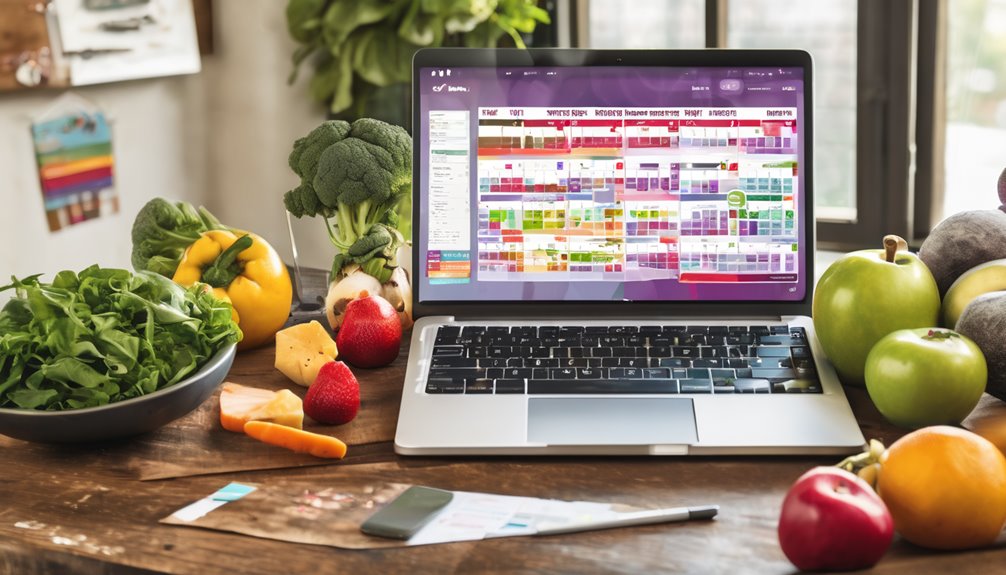
Understanding your vitamin needs is just the first step; creating a personalized vitamin checklist is the next vital move in supporting your health.
Start by assessing your unique lifestyle and dietary habits. Consider your personalized preferences—what foods you enjoy, any dietary restrictions, and your daily routines. This will help you identify which vitamins align with your needs.
Start by evaluating your lifestyle and dietary habits to pinpoint which vitamins best support your individual needs.
Next, jot down the specific vitamins you want to include, ensuring they cater to your age, gender, and activity level.
Regularly revisit and adjust your checklist as your life evolves. This tailored approach not only simplifies your vitamin intake but also empowers you to take charge of your well-being, making it easier to incorporate healthy habits into your daily life.
Best Food Sources for Your Vitamin Checklist
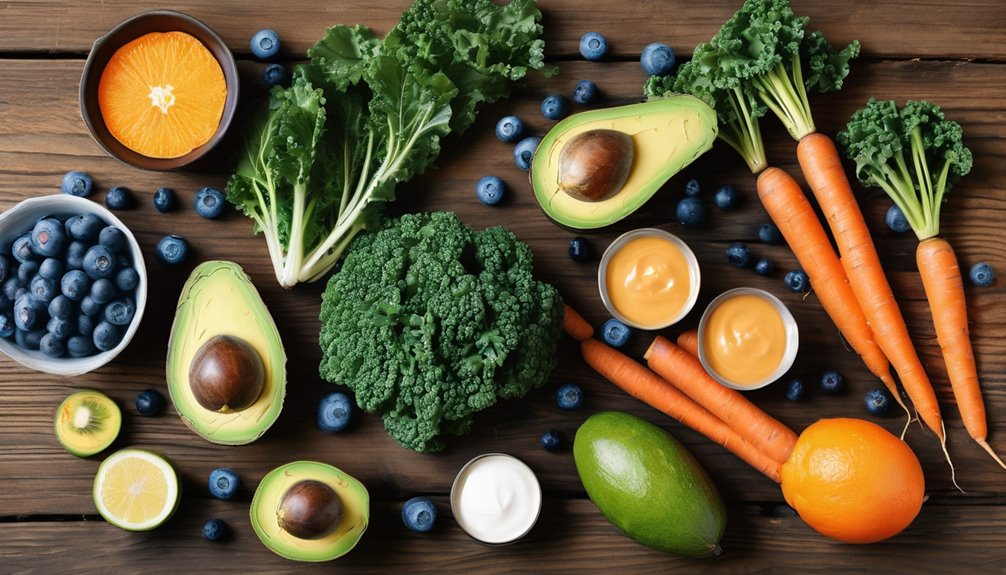
Incorporating the right foods into your diet is essential for meeting your vitamin needs. Focus on nutrient-dense options like leafy greens, nuts, and colorful fruits.
These foods not only provide essential vitamins but also pack a punch with minerals and antioxidants. Seasonal foods are particularly beneficial; they’re often fresher, tastier, and more nutritious.
For instance, enjoy berries in summer for vitamin C, or root vegetables in winter for vitamin A. Don’t forget to add whole grains and legumes for B vitamins and iron.
How to Identify Vitamin Deficiencies?
Identifying vitamin deficiencies is crucial for maintaining your health, as subtle signs can often go unnoticed.
Start by practicing symptom recognition; fatigue, brittle nails, and mood swings could point to deficiencies. Pay attention to how your body feels—these signals are your way of communicating what it needs.
If you suspect a deficiency, consult a healthcare professional for blood testing. This can provide a clear picture of your vitamin levels and guide you toward necessary adjustments.
Remember, you’re not alone in this journey; many face similar challenges. By staying proactive and attentive to your body, you can ensure you’re getting the nutrients you need to thrive.
Don’t underestimate the power of awareness in your health routine!
Effective Strategies to Maintain Your Vitamin Routine
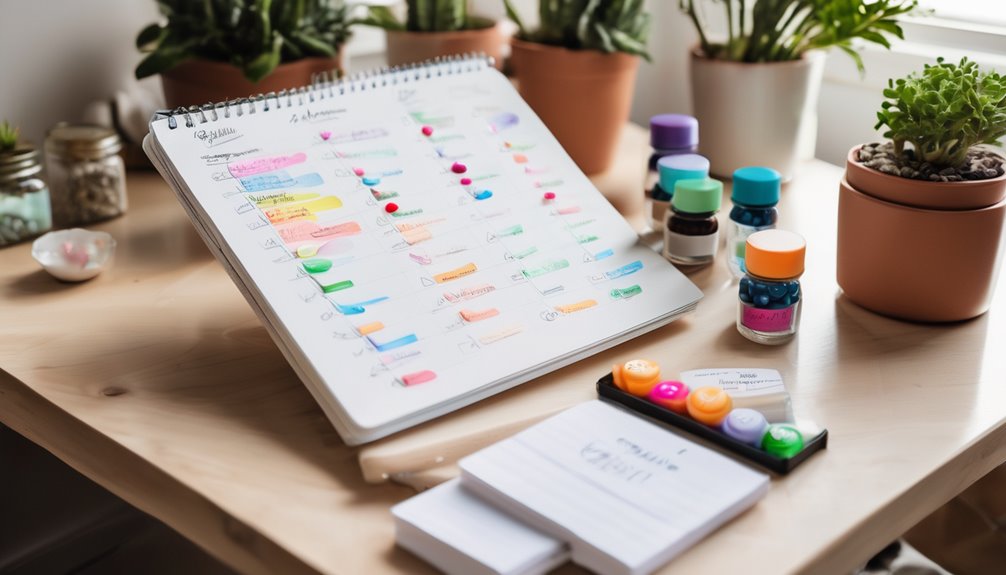
While juggling daily responsibilities, it’s easy to let your vitamin routine slip. To keep on track, establish a consistent vitamin timing, like taking them with breakfast or dinner. This helps your body absorb them better and makes it part of your daily habit.
Set daily reminders on your phone or use sticky notes in visible places to prompt you. You might even consider pairing your vitamins with another daily ritual, like your morning coffee.
If you’re traveling, pack your vitamins in a small container to ensure you don’t miss a day. Keeping your vitamins visible can also serve as a gentle nudge, reminding you to prioritize your health every day.
When to Add Vitamin Supplements to Your Diet
Knowing when to add vitamin supplements to your diet can make a significant difference in your overall health. If you’re feeling fatigued, experiencing frequent colds, or following a restrictive diet, it might be time to consider supplements.
Pay attention to your body’s signals; these can guide your decision.
Listen to your body; its signals can provide valuable guidance for your health decisions.
Supplement timing matters, too. Taking certain vitamins with meals can enhance vitamin absorption, while others may work best on an empty stomach. For instance, fat-soluble vitamins like A, D, E, and K should be taken with healthy fats to maximize absorption.
Before diving in, consult with a healthcare professional to tailor your approach, ensuring you meet your unique nutritional needs without overdoing it.
Your body will thank you!
Frequently Asked Questions
Can Vitamins Interact With Prescription Medications?
Yes, vitamins can interact with prescription medications, affecting vitamin absorption and medication efficacy. It’s essential to consult your healthcare provider to ensure you’re managing both your vitamins and medications safely and effectively.
How Do I Know Which Vitamins to Take?
To know which vitamins to take, assess your diet and daily requirements. Look for vitamin sources like fruits, vegetables, and whole grains. Consider consulting a healthcare professional to tailor recommendations for your unique needs.
Are Natural Supplements Better Than Synthetic Ones?
When it comes to supplements, you might find natural sources often pack a punch. Their higher bioavailability factors can help your body absorb nutrients better than synthetic options, but personal needs vary, so choose wisely.
What Are the Side Effects of Too Many Vitamins?
Too many vitamins can lead to vitamin overdose symptoms like nausea, headaches, and fatigue. You risk serious health issues with excess vitamins, especially fat-soluble ones. Always balance your intake for safety and well-being.
How Long Does It Take to See Vitamin Benefits?
You’ll usually notice vitamin benefits within a few weeks, but it varies. Factors like absorption rates and individual differences play a huge role in how quickly your body responds. Stay patient and consistent for the best results.
Conclusion
Just like a well-tended garden needs the right nutrients to flourish, your body requires essential vitamins to thrive. By nurturing your vitamin checklist, you’re planting the seeds for better health. Remember, consistency is key; make your vitamins as visible as a sunflower in bloom. With dedication, you’ll cultivate a vibrant lifestyle, preventing deficiencies and reaping the benefits of optimal well-being. So, keep your checklist close, and watch your health blossom!