Did you know that the average American consumes over 70 grams of sugar daily, far exceeding the recommended limit? Tracking your sugar intake can be a game changer for your health. It helps you spot hidden sugars in your meals and encourages better dietary choices. Curious about how to implement this effectively and set realistic goals for yourself? Let’s explore how a sugar intake tracker can transform your eating habits and overall well-being.
Key Takeaways
- Set daily sugar goals using a tracker to stay mindful of your intake and make healthier food choices.
- Identify hidden sugars in processed foods by reviewing ingredient lists and food labels regularly.
- Incorporate meal planning to create balanced, low-sugar meals and explore natural sweeteners as alternatives.
- Utilize real-time logging features in a tracker to monitor snacks and portion sizes effectively.
- Regularly assess your progress and adjust your sugar intake goals to support sustainable weight management.
Why You Need to Track Your Sugar Intake for Better Health

Tracking your sugar intake is crucial if you want to maintain better health. When you’re aware of how much sugar you consume, you can make informed choices that lead to significant health benefits.
High sugar intake is linked to weight gain, diabetes, and heart disease, but by monitoring your consumption, you can reduce these risks. Increased sugar awareness helps you identify hidden sugars in processed foods, allowing you to choose healthier options.
This simple act can empower you to take control of your diet and ultimately enhance your well-being. By keeping tabs on your sugar intake, you foster a stronger connection to your body and its needs, paving the way for a healthier lifestyle that you can truly embrace.
How to Use a Sugar Intake Tracker Effectively
To effectively use a sugar intake tracker, start by setting clear goals for your daily sugar consumption. Understand how much sugar you currently consume and determine a realistic target.
Incorporate meal planning into your routine; this not only helps you control your sugar intake but also allows you to explore sugar alternatives. Experiment with natural sweeteners like stevia or monk fruit, which can satisfy your sweet tooth without spiking your blood sugar.
As you track your intake, note the sources of added sugars in your meals and snacks. Regularly review your progress to adjust your goals as needed.
This proactive approach will empower you to make healthier choices, ultimately leading to a more balanced diet.
How to Identify Hidden Sugars in Your Diet
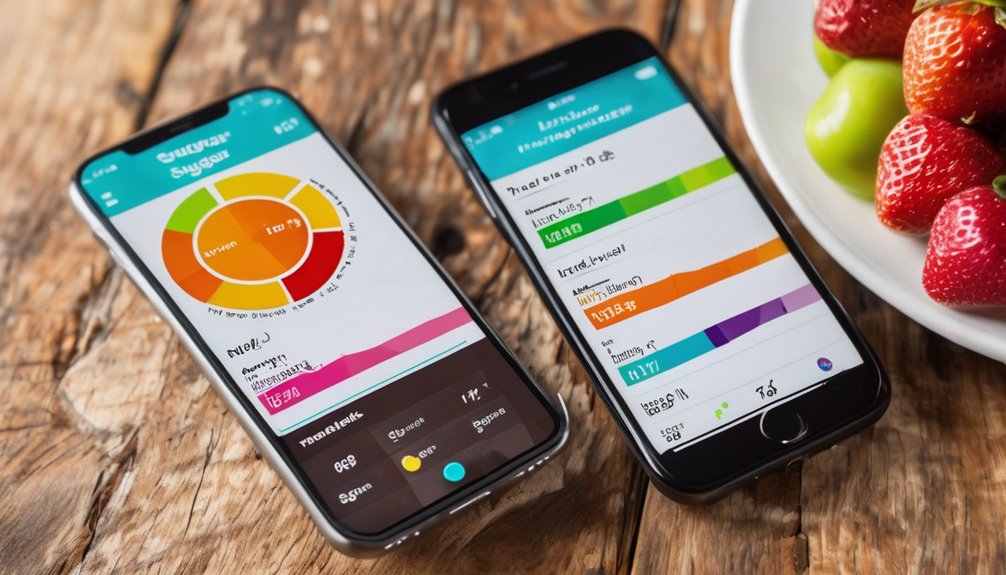
Have you ever wondered where all that sugar in your diet is hiding? It’s often lurking in unexpected places.
Start by examining food labels and ingredient lists—look for natural sweeteners and sugar substitutes like agave or high-fructose corn syrup. Even savory items can contain hidden sources of sugar, so be mindful when choosing your snacks and meals.
Examine food labels carefully; hidden sugars can lurk in unexpected places, even in savory snacks and meals.
Pay attention to your dessert choices, too; many seemingly healthy options can be loaded with sugar. Don’t forget your beverage options, as sugary drinks can quickly add up.
Practicing mindful eating will help you spot these hidden sugars and make informed choices. Remember, being aware is the first step toward a healthier you!
Essential Features for an Effective Sugar Intake Tracker
Understanding hidden sugars is just the beginning of managing your overall sugar intake. An effective sugar intake tracker should include features that align with your user habits and support your dietary changes.
Here are four essential features to consider:
- Tracking Tools: Easily log your meals and snacks, identifying sugar sources in real time.
- Portion Control: Set serving sizes to help you visualize your intake and avoid excess.
- Meal Planning: Plan balanced meals that prioritize low-sugar options, enhancing your health benefits.
- Lifestyle Adjustments: Receive personalized tips based on your tracking data to foster sustainable habits.
Setting Realistic Sugar Goals

While you might feel tempted to drastically cut sugar from your diet, setting realistic sugar goals is crucial for long-term success. Instead of aiming for an immediate overhaul, consider establishing achievable milestones.
Start by reducing your sugar intake gradually; think of it as a journey rather than a sprint. For instance, if you consume three sugary drinks a day, try cutting down to two this week. This way, you’re creating realistic expectations for yourself.
Celebrate small victories along the way, and don’t be too hard on yourself if you slip up. Remember, sustainable change takes time.
How Tracking Sugar Helps You Manage Weight
Tracking your sugar intake can significantly impact your weight management efforts, especially when you realize how sneaky added sugars can be. By monitoring your sugar, you can maintain caloric balance and practice portion control effectively.
Tracking your sugar intake can transform your weight management journey by highlighting hidden sugars and promoting mindful eating.
Here’s how tracking helps:
- Awareness: You identify hidden sugars in everyday foods.
- Better Choices: You’re encouraged to select healthier options.
- Caloric Balance: You can adjust your intake, ensuring you don’t exceed your daily limits.
- Portion Control: You learn to enjoy treats in moderation, preventing overindulgence.
When you keep an eye on sugar, you empower yourself to make informed decisions, leading to sustainable weight management.
Embracing this practice can turn your eating habits into a conscious act of self-care.
Boosting Energy Levels by Tracking Sugar Intake
When you monitor your sugar intake, you’re not just keeping an eye on calories; you’re also paving the way for sustained energy throughout your day.
By tracking how much sugar you consume, you can avoid those dreaded energy spikes followed by crashes that leave you feeling drained. Instead of riding the rollercoaster of mood swings, you can maintain a steady level of energy that keeps you focused and productive.
Opting for natural sugars from fruits and whole foods can help stabilize your blood sugar levels. This mindful approach not only fuels your body but also enhances your overall well-being.
Staying Motivated on Your Sugar Reduction Journey
Maintaining steady energy levels is just one benefit of cutting back on sugar; staying motivated during your sugar reduction journey is equally important.
Here are some effective motivation strategies to help you stay on track:
- Set Clear Goals: Define specific, achievable targets for your sugar intake.
- Keep a Journal: Document your progress and feelings; it can be a powerful motivator.
- Find Accountability Partners: Share your journey with friends or family who can support you and hold you accountable.
- Celebrate Small Wins: Reward yourself for reaching milestones, no matter how minor they seem.
Success Stories: How Tracking Sugar Changed Lives
Many individuals have transformed their lives by simply monitoring their sugar intake. By tracking their consumption, they’ve identified hidden sugars in everyday foods, leading to remarkable personal transformations.
You might find that replacing sugary snacks with healthier options becomes a seamless part of your daily habits. For instance, Sarah cut her sugar intake in half and noticed increased energy levels and better mood stability.
Mark, on the other hand, lost weight and improved his blood sugar levels just by being mindful of what he ate. These stories show that small changes can yield significant results.
When you start tracking, you’re not just counting grams; you’re reclaiming your health and enhancing your well-being. Embrace this journey, and watch your life change.
Frequently Asked Questions
Can Tracking Sugar Intake Help With Other Dietary Changes?
Yes, tracking sugar intake boosts your dietary awareness, helping you identify patterns and triggers. This insight fosters behavioral changes, making it easier to adopt healthier habits and improve your overall nutrition for better well-being.
What Are the Best Apps for Tracking Sugar Intake?
The best sugar apps include MyFitnessPal, Lose It!, and Cronometer. They offer tracking benefits like detailed insights into your intake, helping you make informed choices and maintain a healthier lifestyle. You’ll feel empowered and in control!
How Often Should I Check My Sugar Levels?
You should check your sugar levels regularly, ideally daily, to reap sugar monitoring benefits. This optimal testing frequency helps you stay on track, ensuring your health remains as sweet as the goals you’re aiming for.
Are There Any Side Effects of Reducing Sugar Quickly?
Reducing sugar quickly can lead to sugar withdrawal, causing mood swings and fluctuating energy levels. You’ll face cravings, but with dietary adjustments, you can manage them and enjoy long-term health benefits. Stick with it!
Can Children Use a Sugar Intake Tracker Effectively?
Absolutely! Studies show that children who track their food intake are 30% more engaged in healthy eating. By using a sugar intake tracker, you can boost their awareness and enjoy the benefits of mindful eating together.
Conclusion
Tracking your sugar intake isn’t just a good idea—it’s a game changer! Imagine a life where you effortlessly dodge sugar traps, unlocking boundless energy and transforming your health. By using a sugar intake tracker, you don’t just log numbers; you reclaim control over your diet, crush cravings, and even boost your mood! With each entry, you’re one step closer to becoming a healthier, happier version of yourself. So, dive in and watch your life sugar-coat into something extraordinary!