Think of your body as a plant; without enough water, it wilts and loses vitality. You may not realize it, but inadequate hydration can affect your energy, digestion, and even skin health. By tracking your daily water intake, you can cultivate a more mindful approach to hydration. Curious about how to start and what benefits await you? Let’s explore the transformative power of a daily water tracker for your well-being.
Key Takeaways
- Track your daily water intake using mobile apps to set reminders and visualize progress for better hydration habits.
- Use charts or stickers for creative visual tracking, making hydration more engaging and motivating.
- Establish a consistent routine and carry a reusable water bottle to make water consumption convenient throughout the day.
- Involve friends in hydration challenges to create social accountability and enhance motivation for regular water intake.
- Be mindful of individual hydration needs, considering factors like activity level and climate for optimal health benefits.
Why You’re Not Drinking Enough Water and How Tracking Can Help?
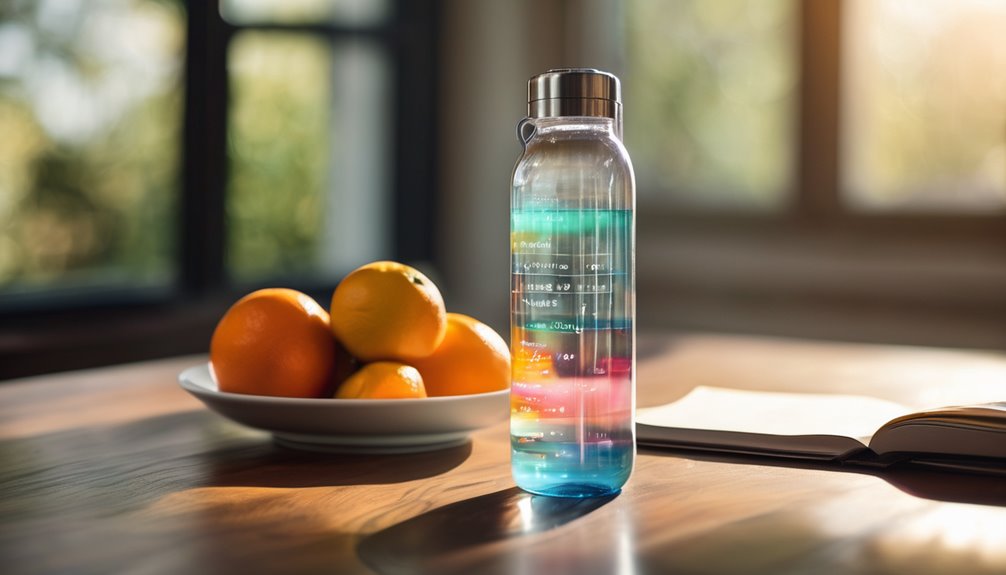
Why aren’t you drinking enough water? You might be falling for hydration myths that tell you how much you should drink or what counts as hydration.
It’s easy to think that coffee and soda can replace water, but they can actually dehydrate you. Tracking tools, like apps or simple water bottles with measurements, can help you stay accountable. They make it easier to see how much you’re really consuming throughout the day.
By checking in with yourself and using these tools, you can create a habit of hydration that feels natural. Remember, your body thrives on water, and making an effort to track your intake can lead to a healthier, more vibrant you.
Top 5 Benefits of Daily Water Tracking for Your Health
Tracking your daily water intake can transform your health in numerous ways. By keeping an eye on your hydration, you’ll not only dispel common hydration myths but also discover the best water alternatives for your lifestyle.
Tracking your daily water intake can significantly enhance your health and help you uncover the best hydration options for your lifestyle.
Here are five key benefits:
- Improved Energy Levels: Staying hydrated boosts your energy, making daily tasks feel easier.
- Enhanced Digestion: Proper hydration aids digestion and reduces bloating, which can leave you feeling lighter.
- Better Skin Health: Drinking enough water helps maintain skin elasticity and a youthful glow.
When you track your water, you become more mindful of your consumption, helping you stay on top of your health goals.
Embracing this simple habit can lead to significant improvements in your overall well-being.
Finding Your Perfect Water Tracking Method
Finding a water tracking method that suits your lifestyle can elevate your hydration game even further. Whether you prefer visual tracking, mobile apps, or journaling strategies, the right approach can make all the difference. Here’s a quick guide to help you choose:
| Method | Features | Benefits |
|---|---|---|
| Visual Tracking | Charts or stickers | Engages your creativity |
| Mobile Apps | Hydration reminders, tracking | Convenient and tech-savvy |
| Journaling | Daily entries on water intake | Reflective and personal |
Utilizing measurement methods and motivational techniques can enhance your commitment. Involving friends can also create social accountability, ensuring you stay on track. No matter the method, find what resonates with you to boost your hydration journey.
Tips for Staying Consistent With Your Hydration Goals
Staying consistent with your hydration goals can feel challenging, especially with a busy lifestyle pulling you in different directions.
Staying on track with hydration can be tough when life gets busy.
To make it easier, try incorporating these strategies into your daily routine:
- Set hydration reminders: Use your phone or a smart device to prompt you throughout the day.
- Utilize tracking apps: These can help you log your intake and visualize your progress, keeping you motivated.
- Carry a reusable water bottle: Having it within arm’s reach makes it far more likely you’ll drink more often.
Common Mistakes to Avoid When Tracking Water Intake

Many people unintentionally sabotage their hydration efforts by overlooking common pitfalls when monitoring their water intake. One major issue is falling for hydration myths, like thinking coffee or tea don’t count towards your daily goal. Also, relying solely on tracking tools without adjusting for personal needs can lead to underhydration.
Here’s a quick reference to help you avoid these mistakes:
| Mistake | Description | Solution |
|---|---|---|
| Ignoring Hydration Myths | Believing all fluids are equal | Educate yourself on hydration |
| Inconsistent Tracking | Forgetting to log your intake daily | Set reminders |
| Overlooking Other Sources | Not counting food moisture | Include food in your total |
| Relying on Apps Only | Trusting one tool for all your needs | Combine methods |
| Neglecting Personal Needs | Not considering activity or climate | Tailor your goals |
Stay aware and keep your hydration on track!
Adjusting Your Water Goals for Activity and Environment
Tracking your water intake is only part of the equation; adjusting your water goals based on activity levels and environmental conditions is equally important. Your hydration needs can shift dramatically with changes in your routine and surroundings.
- Activity Levels: More exercise means you’ll need to increase your intake to compensate for fluid loss.
- Environmental Factors: Hot or humid weather can also boost your hydration needs.
- Seasonal Changes: Colder months may require less, but don’t forget to stay hydrated indoors.
Use tracking tools to monitor your intake and make goal adjustments as needed.
Frequently Asked Questions
How Much Water Should I Drink Daily?
You should aim for about 8 to 10 cups daily, but hydration myths abound. Listen to your body’s signals and focus on optimal timing—drink when you’re thirsty, especially before meals and after exercise.
Can I Count Other Beverages Towards My Water Intake?
Absolutely, you can count beverages like herbal tea and milk towards your hydration. However, watch out for sugary drinks and caffeine; they can fuel hydration myths. Focus on balance to stay beautifully hydrated.
What Are Signs of Dehydration to Watch For?
Watch for thirst signals, dry mouth, and headache symptoms. Check skin elasticity and urine color; darker shades indicate dehydration. If you’re feeling unusually fatigued, it’s a clear sign you need to hydrate more.
Does Climate Affect My Water Needs?
Yes, climate affects your water needs. High humidity can lead to increased sweating, while temperature variations can cause dehydration. Stay mindful of these factors to ensure you’re drinking enough water for optimal health.
Is It Possible to Drink Too Much Water?
Yes, you can drink too much water, leading to water toxicity. This condition strains your kidney function, causing imbalances in electrolytes. It’s crucial to listen to your body and hydrate wisely for optimal health.
Conclusion
Tracking your water intake can significantly boost your health, with studies showing that even mild dehydration can impair cognitive function by up to 10%. By finding a tracking method that suits you and staying consistent, you’ll not only enhance your energy and digestion but also cultivate a mindful hydration routine. Remember, your body’s needs can vary, so adjust your goals based on activity and environment. Embrace this simple yet effective habit for lasting well-being!