Did you know that nearly 80% of people who set health goals fail to achieve them? This often stems from a lack of effective tracking tools and strategies. Fortunately, there are numerous resources available that can simplify the process and enhance your progress. From apps that help you manage your diet to wearable technology that monitors your activity, the right tools can make all the difference. Let’s explore some of these options to help you succeed.
Key Takeaways
- MyFitnessPal: A user-friendly app for calorie counting and meal tracking, making it easy to manage nutrition goals.
- Lose It!: Focused on weight loss, this app offers a simple interface to track daily food intake effectively.
- Fitbit: Syncs with wearables to monitor fitness metrics like steps, heart rate, and sleep quality for comprehensive health tracking.
- Fitness Journals: A personalized method to document workouts and emotions, helping to reflect on progress and maintain motivation.
- Community Support: Engaging in local fitness groups or online forums fosters accountability and encourages sharing experiences and tips.
Setting SMART Goals for Health Success
When you set health goals, using the SMART criteria can significantly enhance your chances of success. This approach focuses on making your goals Specific, Measurable, Achievable, Relevant, and Time-bound. By clearly defining what you want to achieve, you’ll find it easier to stay motivated.
For instance, instead of saying, “I want to get fit,” specify, “I’ll run three times a week for 30 minutes.” This is one of many effective goal-setting strategies that provides clarity.
Additionally, consider incorporating motivation techniques, like rewarding yourself for milestones reached. When your goals are well-defined, you empower yourself to track progress and celebrate achievements, fostering a sense of intimacy with your journey toward better health.
Top Health Tracking Apps to Kickstart Your Journey
As you embark on your health journey, choosing the right tracking app can make all the difference.
These apps not only help with goal setting strategies but also provide a platform for app comparison to find what suits you best.
Here are some top picks to consider:
- MyFitnessPal: Great for calorie counting and meal tracking.
- Lose It!: User-friendly interface focused on weight loss.
- Strava: Perfect for runners and cyclists, tracking distance and pace.
- Headspace: A mindfulness app that helps with mental health goals.
- Fitbit: Syncs with wearable devices for comprehensive tracking.
Pick one that resonates with your goals, and watch your progress unfold!
Wearable Technology: Find the Right Device for You
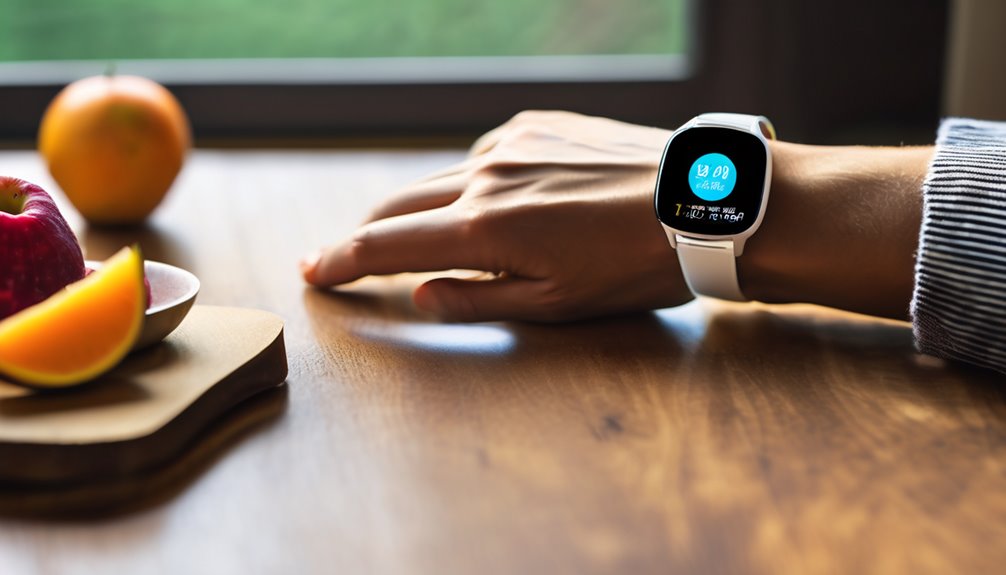
Selecting the right health tracking app is just the beginning; wearable technology can elevate your fitness experience even further. Fitness trackers come in various styles, so you can choose one that matches your aesthetic while meeting your health goals.
Look for device compatibility with your phone to ensure seamless integration. Check user reviews to find out how others rate the battery life and overall functionality. Consider what health metrics matter most to you—like heart rate or sleep quality.
Don’t overlook data privacy; ensure the brand respects your information. Lastly, conduct a price comparison to find a device that fits your budget without sacrificing essential features.
With the right wearable, you’ll be better equipped to track and achieve your health goals.
How to Use Fitness Journals Effectively
Using a fitness journal can significantly enhance your health journey by providing a structured way to monitor progress and reflect on your habits.
A fitness journal offers a structured approach to track your progress and reflect on your habits, enhancing your health journey.
To make the most of your journal, consider these daily journaling techniques:
- Set clear goals: Outline what you want to achieve, whether it’s weight loss or improved stamina.
- Track workouts: Document exercises, durations, and feelings post-workout.
- Monitor mood and energy: Note how your physical activity influences your mental state.
- Reflect regularly: Spend time each week reviewing your entries to identify patterns.
- Celebrate successes: Acknowledge small victories to stay motivated.
Easy Ways to Track Nutrition for Better Health
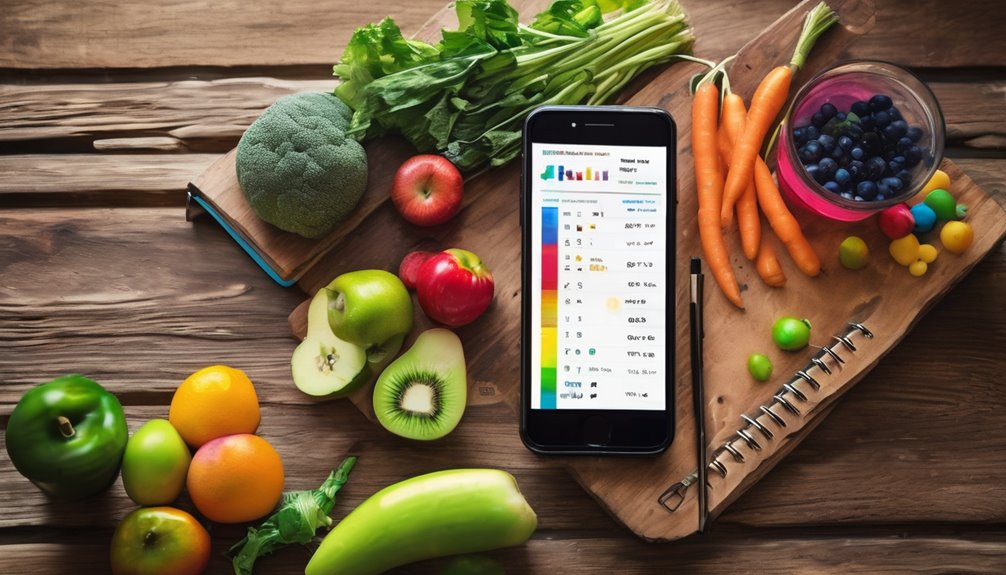
Tracking your nutrition can be a game-changer for achieving your health goals. Start with meal planning to ensure you have balanced meals ready. Use nutrition labels to understand what you’re eating and practice portion control to prevent overeating.
Keeping a food diary helps you stay accountable and spot patterns in your snack choices. Embrace mindful eating—savor each bite and listen to your body’s hunger cues. Try recipe tracking to discover healthier alternatives that excite you.
Don’t forget hydration habits; drinking enough water is crucial for overall health. By combining these strategies, you’ll not only improve your nutrition but also develop a deeper connection with your food and body, making each meal a step toward better health.
Leveraging Community Support for Motivation
Community support can be a powerful catalyst for staying motivated on your health journey. Engaging with support networks and participating in community challenges can significantly enhance your commitment.
Here are some ways to leverage that support:
- Join a local fitness group for accountability and encouragement.
- Participate in online forums to share experiences and tips.
- Set up friendly competition through community challenges to keep things fun.
- Share your goals with friends or family to create a sense of responsibility.
- Celebrate small victories together, reinforcing positive behavior.
How to Analyze Your Health Tracking Data
Engaging with community support lays a strong foundation for your health journey, but understanding your tracking data takes your commitment to the next level.
Start by using data visualization tools like charts and graphs to make sense of your progress. These visuals can highlight patterns in your habits, making it easier to identify what’s working and what isn’t.
Utilizing charts and graphs can illuminate your habits, making it simpler to discern what’s effective and what needs adjustment.
Next, dive into trend analysis. Look for changes over time—are you consistently improving in certain areas? This analysis not only reveals your strengths but also pinpoints areas needing attention.
By regularly reviewing your data, you’ll gain insights that empower you to make informed adjustments, keeping your health journey both dynamic and rewarding.
Embrace this process; it’s your personal roadmap to success.
Tips for Staying Consistent on Your Health Journey
Consistency is key to achieving your health goals, especially when life gets busy. To stay on track, consider these tips for effective habit formation:
- Set realistic goals: Break larger goals into smaller, manageable steps.
- Schedule workouts: Treat them like important appointments to prioritize your health.
- Find accountability partners: Share your journey with friends or family for support and motivation.
- Track your progress: Use apps or journals to visualize your achievements, reinforcing positive habits.
- Celebrate small wins: Reward yourself for reaching milestones to keep your motivation high.
Frequently Asked Questions
What Are the Benefits of Tracking Health Goals Regularly?
Tracking health goals regularly builds habit formation, helping you stay committed. It fosters accountability with partners, creating a supportive network that motivates you. Plus, you’ll celebrate small wins, boosting your confidence and reinforcing positive behaviors.
How Can I Stay Motivated During Setbacks?
When setbacks happen, shift your mindset and lean on accountability partners. They’ll help you stay focused, reminding you why you started. Celebrate small wins together, and keep pushing forward; you’ve got this!
Are There Free Tools for Tracking Health Goals?
Yes, there are plenty of free tools for tracking health goals! Mobile apps like MyFitnessPal and online platforms such as Strava help you monitor progress, set reminders, and stay connected with others on similar journeys.
How Often Should I Review My Progress?
You should review your progress weekly or bi-weekly, following frequency guidelines. This routine helps you stay accountable, adjust goals, and celebrate small wins. Regular check-ins keep you motivated and connected to your health journey.
Can I Track Mental Health Alongside Physical Health?
Absolutely, you can track mental health alongside physical health. Studies show that 43% of people benefit from emotional check-ins and mindfulness practices, enhancing stress management and promoting overall mental wellness. You’re worth this holistic approach!
Conclusion
In a world where tracking health goals can feel like scaling Everest, you now have the ultimate toolkit at your fingertips! With the right apps, wearable tech, and a supportive community, you’re not just aiming for success; you’re rocketing toward it! Imagine conquering your health objectives like a superhero, armed with data and motivation. So grab those tools, stay consistent, and watch as you transform your health journey into an epic adventure—because you’re destined for greatness!