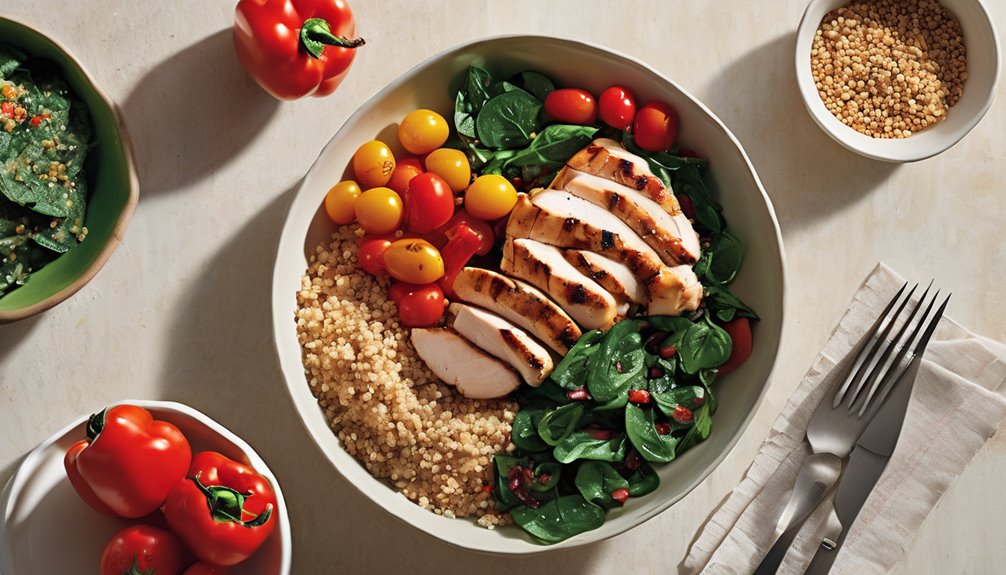
Imagine you’re often unsure if your dinner plate aligns with recommended portions—like when you serve yourself pasta but aren’t sure if it’s one or two servings. A Healthy Meal Portion Calculator can help clarify these uncertainties, guiding you to make informed choices about your meals. By understanding how to use this tool effectively, you can gradually adjust your portion sizes and improve your overall nutrition. But how do you start this journey toward better eating habits?
Key Takeaways
- Use a healthy meal portion calculator to track typical foods and improve portion awareness for better health outcomes.
- Compare your current meal portions with calculator recommendations to identify areas for gradual adjustments.
- Incorporate a variety of nutrient-dense foods, focusing on lean proteins, whole grains, healthy fats, and vegetables.
- Apply portion control techniques, such as palm-sized protein and half-plate vegetables, to enhance meal balance.
- Practice mindful eating to differentiate between hunger and habit, reinforcing healthy portion control habits over time.
Are You Eating the Right Portions? Understanding Meal Portions
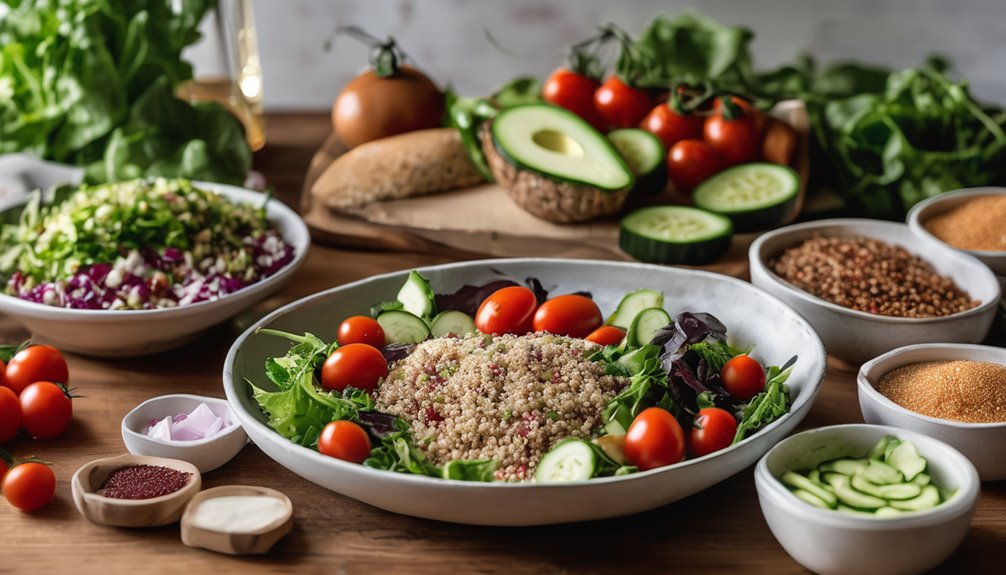
Are you truly aware of how much you’re eating? Understanding meal portions is crucial for your health.
Practicing portion awareness can help you recognize the difference between hunger and habit. When you eat mindfully, you focus on your food, savoring each bite rather than rushing through meals. This approach not only enhances your enjoyment but also helps you stay attuned to your body’s signals.
Studies show that those who engage in mindful eating tend to consume fewer calories and make healthier choices. To get started, try using smaller plates and measuring servings until you develop a better understanding of appropriate portions.
How to Use a Healthy Meal Portion Calculator Effectively
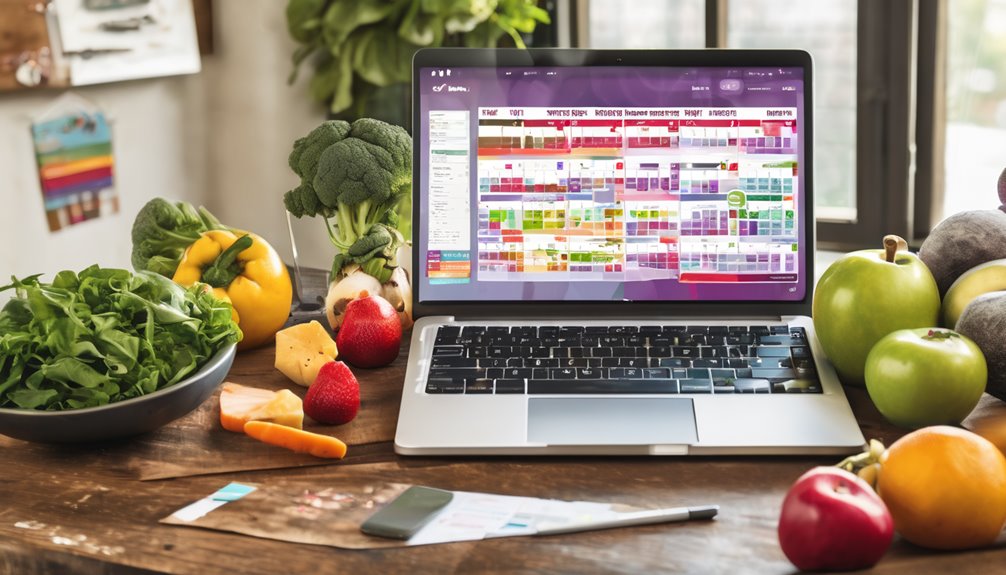
Using a healthy meal portion calculator can significantly enhance your understanding of appropriate serving sizes. To start, input the foods you typically eat; this helps with meal tracking and allows you to see real-time portion sizes.
Pay attention to serving suggestions, as they’re tailored to promote portion awareness.
Next, compare your current plate to the calculator’s recommendations. If you find discrepancies, adjust your portions gradually. Consistency is key, so consider using the calculator regularly to reinforce your habits.
Don’t forget to incorporate a variety of foods for balanced nutrition. Engaging with this tool can transform your meals, making you more mindful of what you eat, ultimately leading to healthier choices and a more enjoyable dining experience.
Essential Nutrients for Balanced Meal Portions
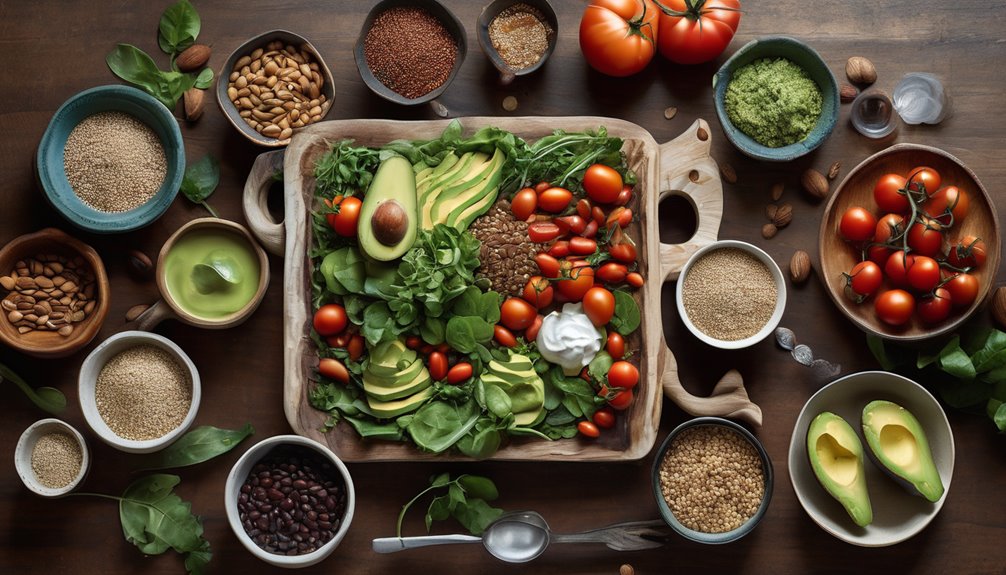
While you might focus on portion sizes, understanding essential nutrients is crucial for balanced meal portions. Nutrient density plays a key role in ensuring your meals provide the vitamins, minerals, and macronutrients your body needs.
Aim for a mix of lean proteins, whole grains, healthy fats, and plenty of fruits and vegetables. This blend not only promotes meal balance but also keeps you satisfied longer.
For instance, pairing a protein source with fiber-rich greens enhances satiety and nutrient intake. Remember, it’s not just about how much you eat, but what you eat.
Portion Control Techniques for Different Food Groups
Mastering portion control is essential for maintaining a healthy diet and can vary significantly across different food groups.
When it comes to protein sources, aim for a palm-sized portion. For carbohydrates, focus on a balanced plate—about a quarter for grains and half for vegetables. Healthy fats should be limited to a thumb-sized amount.
Keep your vegetable servings generous; fill half your plate with them. Snack portions can be tricky, so opt for a handful of nuts or a small piece of fruit.
Meal timing matters too; eating mindfully and staying hydrated can influence your food density awareness. By practicing these techniques, you’ll develop a better sense of portion sizes that align with your health goals.
Common Mistakes in Healthy Meal Portions
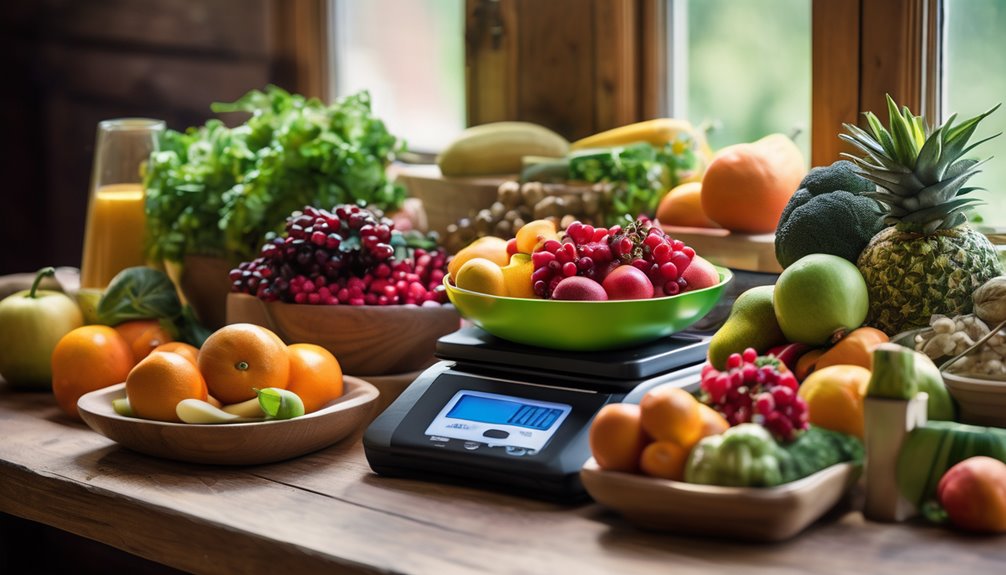
Many people underestimate the importance of portion sizes, leading to unintentional overeating. One common mistake is confusing serving sizes with appropriate portions. Just because a package suggests a certain serving doesn’t mean it’s right for you.
Portion distortion occurs when you’re accustomed to larger servings, making it hard to gauge what’s truly appropriate. Another mistake is ignoring the actual content of foods; even healthy options can lead to weight gain if portions are too large.
It’s crucial to measure and be mindful of what you’re serving. Using smaller plates can help you control portions better. Remember, healthy eating isn’t just about what you eat, but how much you consume. Stay aware, and you’ll make better choices.
Visual Aids for Portion Sizes: A Handy Guide
Understanding portion sizes can be challenging, especially when visual cues are often misleading. To help, use familiar size references like your hand for measuring. For example, a serving of protein should equal the size of your palm, while carbohydrates can fit in a cupped hand.
Plate sizes matter too; a smaller plate can create the illusion of a fuller meal. When using serving spoons, aim for one tablespoon of fats or oils, and compare food items—like a fist-sized serving of veggies.
Meal examples can also guide you; think of half your plate filled with non-starchy vegetables. Incorporating these portion visuals can transform your meals, making healthy eating more intuitive and enjoyable.
How to Adjust Your Portions for Weight Loss?
To achieve weight loss, it’s crucial to adjust your portion sizes thoughtfully. Start by creating a caloric deficit, which means consuming fewer calories than your body needs.
Begin by using smaller plates to help control your portions, making it easier to practice mindful eating. Pay attention to hunger cues—eat when you’re hungry and stop when you’re satisfied.
Filling half your plate with vegetables can help you feel full while keeping calories in check. Tracking your food intake can also enhance your awareness of portion sizes and caloric values.
Portioning for Meal Prep Success
When you portion your meals for prep, it not only saves time during busy weekdays but also helps you stick to your dietary goals.
Effective meal prep strategies start with understanding the right container sizing for your meals. Choose containers that match your portion sizes—this way, you’ll avoid overeating while ensuring you have enough to stay satisfied.
Understanding container sizing is key to effective meal prep, helping you control portions and stay satisfied.
For instance, use smaller containers for high-calorie foods and larger ones for veggies or lean proteins. Label your containers to keep track of ingredients and portions easily.
By planning ahead and portioning wisely, you’re setting yourself up for success, making healthy eating effortless throughout the week.
Customizing Portions for Family and Lifestyle
Customizing portions for your family and lifestyle can significantly enhance mealtime satisfaction and nutritional balance. By tailoring your meals to fit family preferences and lifestyle adjustments, you create a more enjoyable dining experience for everyone.
Here are some tips to consider:
- Know Your Family’s Preferences: Engage your loved ones in meal planning. Ask them what they enjoy and incorporate those flavors.
- Adjust for Activity Levels: If your family’s activity level varies, modify portion sizes accordingly. Active days may require more substantial meals.
- Utilize Leftovers Wisely: Plan for meals that can be easily scaled up or down, ensuring no food goes to waste while meeting everyone’s needs.
How to Keep Your Portions in Check When Eating Out?
Eating out can be a delightful experience, but it often leads to oversized portions that can derail your healthy eating goals. To keep your portions in check, consider these effective restaurant strategies. Start by sharing a meal or ordering small plates. Focus on mindful eating—savor each bite and listen to your body’s hunger cues.
Here’s a simple guide to portion sizes:
| Food Type | Standard Portion | Restaurant Portion |
|---|---|---|
| Protein (meat) | 3 oz | 6-8 oz |
| Vegetables | 1 cup | 2-3 cups |
| Grains | ½ cup | 1-2 cups |
| Desserts | 1 serving | 2-3 servings |
| Drinks | 8 oz | 12-16 oz |
Frequently Asked Questions
How Do I Calculate Portions for Children?
To calculate portions for children, follow child nutrition portion guidelines. Typically, serve one tablespoon of each food group per year of age. Adjust based on their activity level and appetite to ensure balanced, nutritious meals.
Can I Use My Hand for Portion Sizes?
Yes, you can use hand measurements for portion control. Your palm represents a serving of protein, while a fist indicates a serving of vegetables. This practical method helps you maintain balanced portions without needing a scale.
What Are the Signs of Overeating?
You might notice signs of overeating, like feeling uncomfortably full or sluggish. Pay attention to overeating triggers, and practice portion control to maintain balance. Listening to your body can help you avoid these uncomfortable sensations.
How Do I Adjust Portions for Exercise Days?
Think of your body like a car: on exercise days, you need more fuel. Adjust your portions by increasing your carbs and proteins to match your workout intensity, ensuring your exercise nutrition supports your energy needs.
Are There Specific Portions for Different Diets?
Yes, specific diet guidelines often dictate portion size variations. For instance, low-carb diets may require smaller servings of grains, while protein-focused plans emphasize larger portions of protein sources. Tailor your portions to fit your chosen diet effectively.
Conclusion
By mastering meal portions, you can cultivate a healthier lifestyle while savoring satisfying servings. Remember, mindful munching and portion precision pave the path to better health. With practice, you’ll soon find your plates filled with balanced bites, bursting with nutrients. Embrace the journey of portion control, and you’ll transform your habits, enhancing your well-being one meal at a time. So, let’s get portioning right, and watch your health flourish!