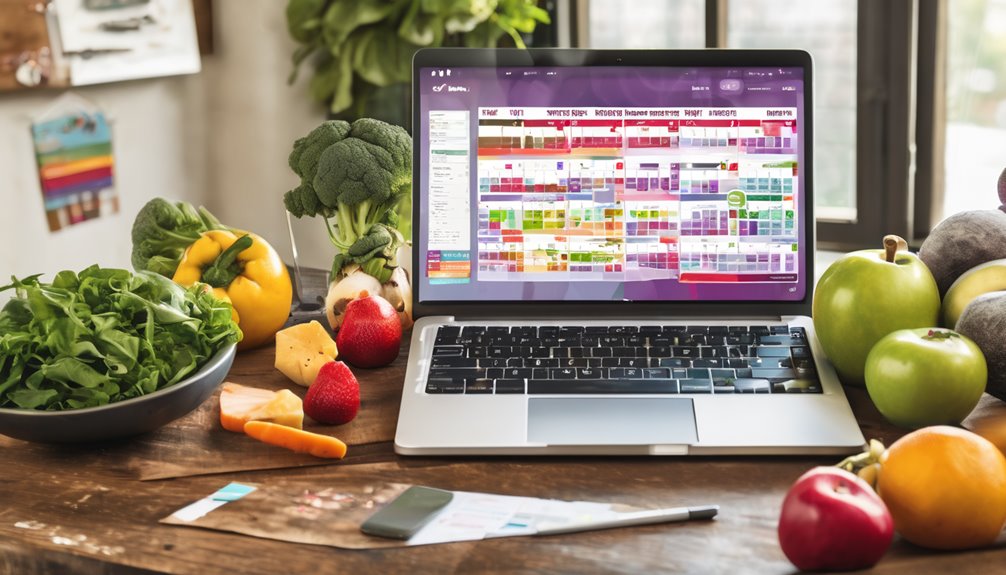
Starting your weight loss journey can feel overwhelming, but a healthy weight tracker can simplify the process. It helps you stay accountable and motivated, guiding you as you set achievable goals. By choosing the right tools and techniques, you can easily monitor your progress and adjust your approach. Curious about how to effectively integrate nutrition and exercise data into your tracker? Let’s explore the essential steps you can take to make your journey smoother and more rewarding.
Key Takeaways
- Choose a weight tracker that aligns with your preferences, whether digital or manual, to enhance engagement and accountability.
- Set realistic goals, like losing 1-2 pounds weekly, to maintain motivation and ensure sustainable progress.
- Track daily meals, workouts, and emotions to provide insights and adjust strategies effectively.
- Celebrate small wins with rewards and share achievements to foster support and motivation from friends and family.
- Use data visualization tools to monitor progress, reinforcing your connection with health goals and accomplishments.
Why Use a Weight Tracker for Your Health Journey?

Using a weight tracker can be a game-changer for your health journey, especially when you want to stay accountable and motivated. It helps you visualize your progress, making it easier to celebrate achievements, no matter how small.
Pairing this tool with accountability partners can amplify your success; sharing your goals with someone supportive keeps you on track.
When you feel tempted to stray from your plan, those motivation tips become essential. You’ll find it easier to stick to your commitments when you know someone’s cheering you on.
By tracking your weight, you not only monitor your journey but also create a deeper connection with your goals, fostering a sense of accomplishment that fuels your determination.
Embrace the journey!
How to Set Realistic Goals for Your Weight Journey
Setting realistic goals is a vital step in your weight journey, as it helps maintain motivation and ensures sustainable progress. To make your goals achievable, use these goal setting strategies:
| Goal Type | Realistic Expectation | Time Frame |
|---|---|---|
| Weight Loss | 1-2 pounds per week | Weekly |
| Exercise Frequency | 3-4 times a week | Monthly |
| Healthy Eating | Incorporate 2 new meals | Every 2 weeks |
Choosing the Best Weight Tracker for You
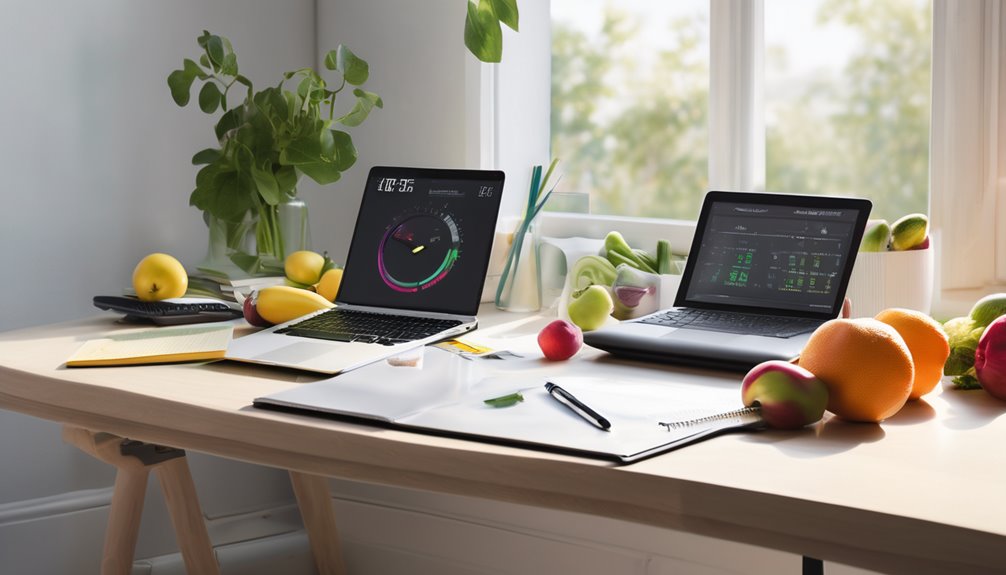
How can you find the right weight tracker to support your journey? Start by considering your user preferences—do you prefer digital tools or manual methods? Each has its benefits; digital apps can offer community support and motivation techniques, while manual methods may feel more personal.
Look for trackers that align with your goals, ensuring they help you stay focused on what matters most. Don’t forget to check feature comparisons; some apps include built-in data privacy measures, which can be crucial for peace of mind.
Ultimately, the best tracker is one that motivates you to engage consistently and supports your unique journey. Choose what resonates with you, and let it guide you toward your goals.
Effective Tracking Techniques
Effective tracking techniques can make a significant difference in your weight management journey. Start by focusing on progress monitoring; jot down your daily meals, workouts, and feelings. This helps you identify patterns and triggers.
Next, embrace data visualization. Use apps or charts to create visual representations of your progress. Seeing your journey unfold can be incredibly motivating!
Consider setting short-term goals that align with your long-term vision; this keeps you engaged and accountable. Regularly review your data to celebrate what’s working and adjust what isn’t.
How to Celebrate Small Wins on Your Weight Journey

Celebrating small wins on your weight journey is essential, as it keeps you motivated and reinforces positive habits. Acknowledging these milestones can make all the difference.
Here are some ways to celebrate:
- Treat Yourself: Choose a milestone reward like a new workout outfit or a fun day out.
- Share Your Success: Tell friends and family about your achievements; their support can boost your confidence.
- Use Positive Affirmations: Remind yourself of your hard work by saying encouraging phrases daily.
- Journal Your Journey: Document your progress; seeing how far you’ve come can be incredibly uplifting.
Integrating Nutrition and Exercise Data With Your Tracker
Acknowledging your progress isn’t just about celebrating milestones; it’s also about understanding how nutrition and exercise play into your overall journey.
Integrating nutrition data with your exercise routines helps create a clear picture of your lifestyle integration. By tracking your meals, you can ensure nutrition balance that supports your fitness goals.
Use data visualization tools to see trends in your eating habits and exercise consistency. This not only enhances progress monitoring but also strengthens goal alignment, making your journey feel more attainable.
When you connect these aspects, you’ll identify what works best for you, allowing for adjustments that lead to lasting change.
Embrace this holistic approach, and watch your progress flourish.
Top Weight Tracking Apps
When it comes to tracking your weight, choosing the right app can make all the difference. Here are some top picks that stand out for their user-friendly features:
- MyFitnessPal: Known for its data accuracy and extensive food database, it offers excellent integration options with fitness trackers.
- Lose It!: This app shines in goal customization, allowing you to tailor your weight loss journey.
- Noom: With a focus on behavior change, its engaging interface design keeps you motivated through personalized coaching.
- Weight Watchers (WW): Praised in user reviews, it combines app comparisons with community support and meal tracking.
Explore these apps to find the one that fits your lifestyle and helps you stay committed to your goals.
Frequently Asked Questions
How Often Should I Update My Weight Tracker?
You should update your weight tracker daily for accurate insights, but aim for weekly reviews to spot trends and celebrate progress. This balance keeps you motivated and engaged in your journey toward better health.
Can I Track Non-Weight Health Metrics?
Absolutely, you can track non-weight health metrics! Focusing on alternative metrics, like energy levels or mood, reveals non-weight benefits that enrich your wellness journey. These insights deepen your connection to overall health and well-being.
What if I Experience Weight Fluctuations?
If you experience weight fluctuations, focus on body composition instead. Remember, emotional wellness matters too. Track how you feel and your energy levels; they often reflect your overall health better than just the scale.
Is It Necessary to Track Food Intake?
Tracking food intake isn’t just a chore; it’s like shining a flashlight on your habits. By cultivating caloric awareness and embracing mindful eating, you’ll navigate your choices more confidently and nurture a healthier relationship with food.
How Can I Stay Motivated While Tracking?
To stay motivated while tracking, set clear goals and share them with accountability partners. They’ll encourage you, celebrate your wins, and help you push through challenges, making the journey feel more rewarding and connected.
Conclusion
In your weight loss journey, think of your tracker as a compass guiding you through uncharted waters. By celebrating each small win and adjusting your goals, you’ll navigate towards a healthier you. Remember, every step counts, and progress is progress, no matter how small. So, keep tracking, stay motivated, and embrace the changes that come with this exciting adventure. Your commitment today paves the way for a brighter, healthier tomorrow!