Tracking your weight loss progress is crucial for staying motivated and informed. By using methods like food journaling, body measurements, and progress photos, you can gain deeper insights into your journey. Each approach offers unique benefits that can help you understand what works best for you. Curious about how to effectively implement these strategies and set achievable milestones? Let’s explore the most effective ways to keep your weight loss on track.
Effective Methods for Tracking Weight Loss Progress
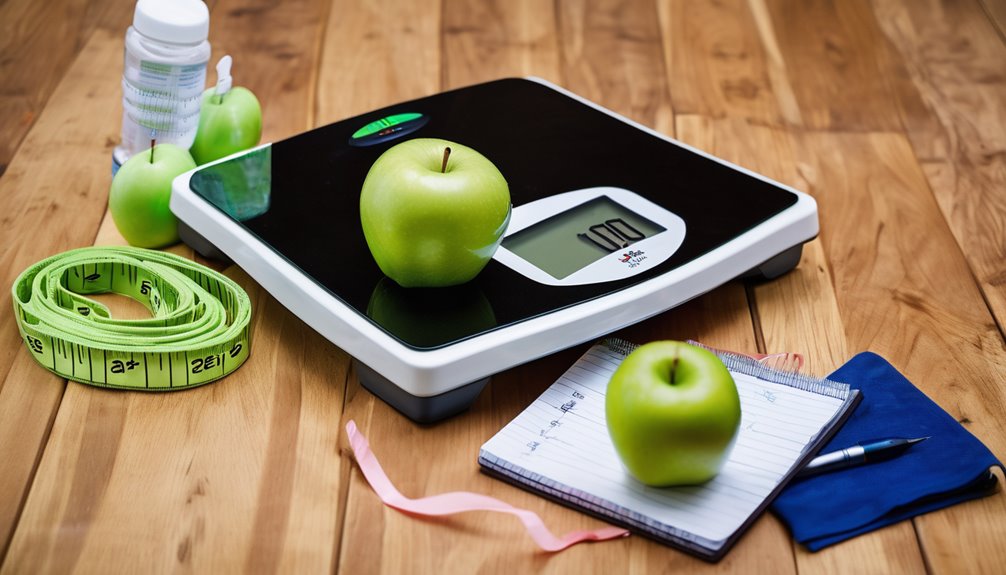
When you’re on a weight loss journey, knowing how to effectively track your progress can make a significant difference in staying motivated and achieving your goals. One powerful method is food journaling. By recording what you eat, you can gain insights into your eating habits, identify triggers, and make necessary adjustments.
This practice not only encourages mindfulness but also helps you stay accountable.
Additionally, consider tracking changes in your body composition rather than just focusing on the scale. Measurements like body fat percentage and muscle mass provide a clearer picture of your progress.
Combining food journaling with body composition tracking can empower you to make informed decisions, keeping you motivated and on the right path toward your weight loss goals.
How to Use Measurements Effectively
While tracking your weight loss, using measurements effectively can provide valuable insights into your progress. Start by taking body measurements, focusing on waist circumference, which is a reliable indicator of health.
Regularly measuring fat percentage helps you understand changes in body composition, especially when you’re gaining muscle. Aim for progress consistency by tracking these metrics weekly or biweekly—this frequency ensures you can spot trends without getting discouraged by daily fluctuations.
Remember, muscle gain may offset weight loss, so look beyond the scale. Combine these measurements with your overall goals for a comprehensive view of your journey.
Why Progress Photos Matter for Weight Loss

Progress photos are a powerful tool in your weight loss journey, as they visually capture changes that numbers alone may not convey. Here’s why they matter:
- Motivation Boost: Seeing your progress can reignite your drive when you feel discouraged.
- Visual Comparison: Photos provide a clear before-and-after view, highlighting transformations that scales can’t reflect.
- Emotional Impact: Capturing your journey can evoke feelings of pride and accomplishment, reinforcing positive habits.
- Accountability Partner: Sharing your photos with a trusted friend can keep you accountable and provide support.
Incorporating progress photos into your routine not only tracks your physical changes but also supports your mental and emotional well-being throughout your weight loss journey.
Setting Fitness Milestones for Weight Loss
Setting fitness milestones is crucial for maintaining motivation and ensuring steady progress in your weight loss journey. By breaking your overall fitness goals into smaller, achievable targets, you can celebrate your successes along the way.
For instance, aim to lose a specific number of pounds each month or increase your workout duration gradually. These milestones not only provide clear benchmarks but also act as effective motivation techniques.
Tracking your progress regularly helps you stay accountable and adjust your strategies when needed. Remember, every small victory counts!
Whether it’s fitting into a favorite outfit or completing a workout without stopping, these achievements reinforce your commitment and keep your spirits high. Stay focused, and enjoy the process!
Best Apps for Weight Loss Tracking
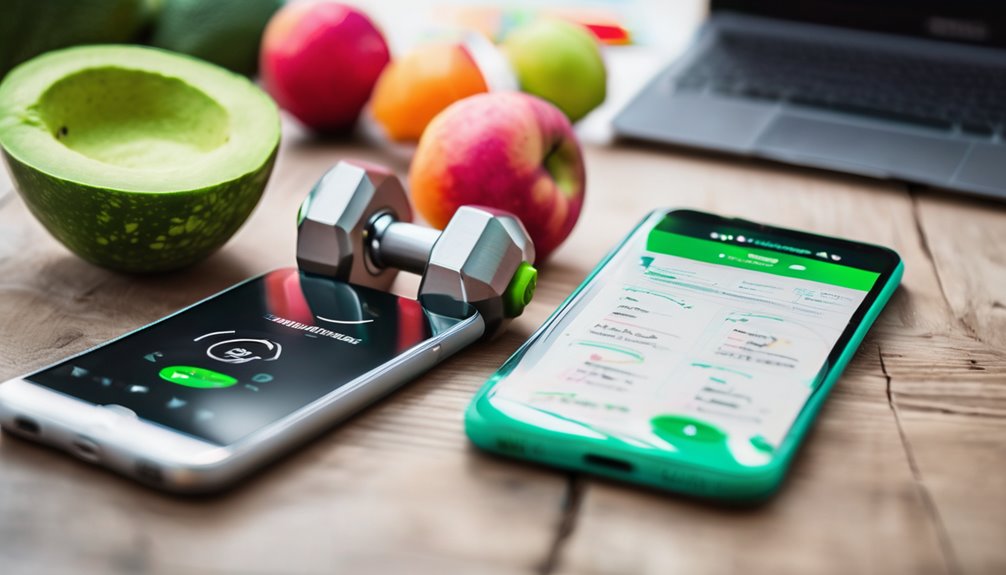
Achieving your fitness milestones becomes even more manageable with the right tools at your fingertips. Here are some of the best apps for weight loss tracking that can help you stay on course:
- MyFitnessPal – Excellent for calorie tracking and diet logging, it offers a comprehensive food database.
- Lose It! – Focuses on personalized weight loss plans and makes calorie tracking easy.
- Fitbit – Not only tracks activity but also integrates diet logging, providing holistic health insights.
- Noom – Combines psychology with progress analytics to help you understand your habits.
Using these apps for activity monitoring and tracking your diet can greatly enhance your weight loss journey, providing valuable insights that keep you motivated.
Why Tracking Your Weight Loss Is Key
Tracking your weight loss isn’t just about numbers; it’s a powerful tool that keeps you accountable and motivated. When you log your progress, you gain insights into what works and what doesn’t, allowing for effective adjustments.
This weight loss accountability can lead to healthier choices, as you’re more likely to stick to your goals when you monitor your efforts. Additionally, seeing your achievements—no matter how small—can boost your confidence and reinforce your commitment.
Incorporating motivation strategies like setting short-term goals or rewarding yourself for milestones can further enhance your journey. By actively tracking your progress, you create a roadmap that not only guides you but also inspires perseverance in the face of challenges.
Frequently Asked Questions
How Often Should I Weigh Myself for Accurate Results?
Weigh yourself weekly for accurate results. Daily weighing might increase scale anxiety, leading to unnecessary stress. Consistent weekly check-ins allow you to track trends without getting bogged down by minor fluctuations. Stay focused on your goals!
Can Muscle Gain Affect My Weight Loss Progress?
Yes, muscle gain can affect your weight loss progress. Increased muscle density improves body composition, which might mask fat loss on the scale. Focus on overall health and measurements, not just weight.
What Should I Do if My Weight Plateaus?
When you hit a plateau, visualize a mountain climber resting. Reassess your routine—sometimes, adjusting your diet or increasing intensity reignites progress. Keep your motivation high with new workouts or goals to climb higher.
How Do Stress and Sleep Impact Weight Loss?
Stress and sleep significantly impact weight loss. Poor sleep quality disrupts hormonal balance, increasing cravings and emotional eating. Effective stress management helps you maintain focus, supporting your goals and enhancing overall well-being for better results.
Is It Normal for Weight to Fluctuate Daily?
Yes, it’s normal for weight to fluctuate daily; studies show it can vary by up to five pounds. Understanding fluctuations helps you focus on long-term trends rather than stressing over daily weight changes. Stay consistent!
Conclusion
Tracking your weight loss progress isn’t just about the numbers; it’s about understanding your journey holistically. Research shows that people who regularly track their food intake and physical activity are 50% more likely to achieve their weight loss goals. By combining measurements, progress photos, and milestones, you’ll stay motivated and accountable. Remember, every small step counts, and celebrating those achievements can lead to lasting change. Stay committed, and you’ll see the results you’re aiming for!