
Imagine trying to navigate a maze with a blindfold on; that’s what pursuing weight loss without understanding common pitfalls can feel like. Many people set unrealistic expectations, leading to disappointment and setbacks. Balanced nutrition and portion control are often overlooked, yet they’re crucial for success. Emotional eating can also derail your efforts. What if you could identify these traps and avoid them? Let’s explore the mistakes that might be holding you back.
Unrealistic Expectations: Why They Hold You Back

When you set out on your weight loss journey, unrealistic expectations can easily derail your progress. Instead of aiming for drastic changes, focus on achievable goals. Setting realistic, specific targets boosts your motivation and keeps you engaged.
Research shows that incremental weight loss—like losing 1-2 pounds per week—leads to sustainable results.
Incorporate motivation strategies that resonate with you, such as positive affirmations or tracking your achievements. Celebrate small victories instead of fixating on the scale.
Remember, the journey is a marathon, not a sprint. By establishing clear, attainable goals, you’ll enhance your chances of success and maintain your enthusiasm.
Embrace the process, and you’ll find that patience and consistency are your best allies in weight loss.
The Importance of Balanced Nutrition for Weight Loss
Balanced nutrition is crucial for successful weight loss, as it provides your body with the essential nutrients it needs to function optimally. Achieving macronutrient balance—proteins, fats, and carbohydrates—ensures that you’re fueling your body correctly.
Additionally, paying attention to nutrient timing can enhance your energy levels and recovery. Here are three key aspects to focus on:
- Whole Foods: Prioritize fruits, vegetables, whole grains, and lean proteins to get the most nutrients.
- Smart Snacking: Choose nutrient-dense snacks to keep your energy stable throughout the day.
- Meal Prep: Planning meals ahead helps you stick to your nutrition goals and avoid unhealthy choices.
Understanding Portion Control: How Much Should You Eat?
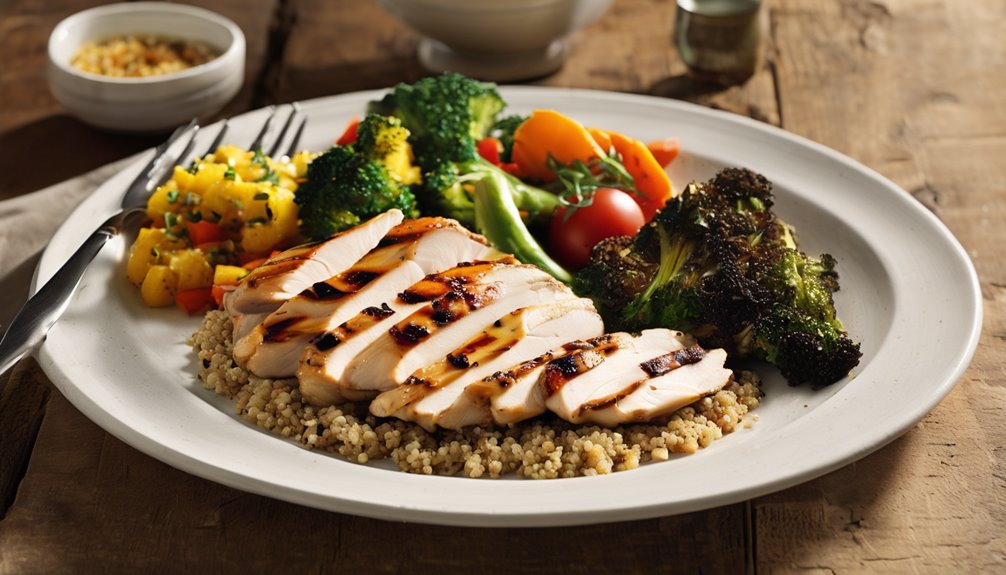
Successful weight loss isn’t just about what you eat; it’s also about how much you eat. Understanding portion sizes can significantly impact your progress.
Start by using the plate method: fill half your plate with vegetables, a quarter with lean proteins, and a quarter with whole grains. This helps manage caloric density while promoting balanced meals.
Mindful eating is key; pay attention to your hunger cues and stop when you’re satisfied. Meal prep can also help you stick to serving recommendations and avoid overeating.
Don’t forget to read food labels to better understand portion sizes and caloric content. By staying aware of how much you eat, you can make sustainable changes for lasting weight loss.
Why Diet Is Crucial for Effective Weight Loss
Although exercise plays a vital role in weight loss, diet is often the most significant factor in achieving your goals. Without proper nutrition, your efforts may fall flat.
Here’s why focusing on your diet is essential:
- Meal Planning: By preparing your meals in advance, you control portion sizes and avoid unhealthy choices.
- Nutrient Timing: Eating the right nutrients at specific times can enhance your metabolism and maximize fat loss.
- Balanced Diet: A diet rich in whole foods fuels your body, reduces cravings, and supports overall health.
Recognizing and Managing Emotional Eating Triggers

When stress or sadness strikes, many people find themselves reaching for comfort foods, often without realizing it. To combat this, developing emotional awareness is key.
Start by identifying your triggers through food journaling; noting what you eat and how you feel can illuminate patterns.
Implementing mindfulness techniques, like deep breathing, helps create space between emotion and action, allowing for better trigger management.
Consider establishing coping strategies, such as exercise or talking to a friend, to divert attention from food.
Building a robust support system can also aid in stress reduction, as sharing experiences fosters accountability.
The Risks of Fad Diets for Weight Loss
Fad diets might promise quick weight loss, but they often come with hidden risks that can jeopardize your health. Here are three significant fad diet consequences you should consider:
- Nutritional deficiencies: Many fad diets restrict essential food groups, leading to a lack of vital nutrients your body needs to function properly.
- Short-term results: While you may see immediate weight loss, these diets often don’t provide lasting change, leaving you frustrated and back where you started.
- Metabolic impact: Extreme dieting can slow your metabolism, making it harder to maintain weight loss in the long run.
Additionally, the psychological effects can be damaging, fostering unhealthy relationships with food.
It’s crucial to prioritize sustainable, balanced eating habits instead.
How to Effectively Track Your Weight Loss Progress
Tracking your weight loss progress is crucial for staying motivated and making informed adjustments to your plan. Start with clear goal setting, ensuring your objectives are specific and achievable.
Use various measurement methods, like scales, progress journals, or body measurements, to gain a comprehensive view of your journey. Remember that weight fluctuation is normal, so don’t get discouraged by daily changes.
Engage accountability partners to share your goals and progress, which can boost motivation. Regular data analysis helps you identify trends and adjust your approach as needed.
Celebrate milestones, no matter how small, to keep your spirits high. By effectively tracking your progress, you’ll stay committed and empowered on your weight loss journey.
Frequently Asked Questions
Can I Lose Weight Without Exercising Regularly?
Yes, you can lose weight without exercising regularly by maintaining a caloric deficit through mindful dietary choices. Focus on nutritious foods, control portion sizes, and stay consistent to achieve your weight loss goals effectively.
How Do Hormones Affect Weight Loss Efforts?
Hormonal fluctuations significantly impact your weight loss efforts. For instance, 30% of adults experience insulin resistance. Imbalances in thyroid function and high cortisol levels can hinder progress, so managing these factors is crucial for success.
What Role Does Sleep Play in Weight Loss?
Sleep plays a crucial role in weight loss. When you experience sleep deprivation, it disrupts your circadian rhythm, affects sleep cycles, and alters hormonal balance, which can lower your metabolic rate and hinder weight management efforts.
Are Weight Loss Supplements Effective and Safe?
Weight loss supplements can be effective, but their safety varies. Always check ingredient safety and consider natural alternatives. Consulting a healthcare professional ensures you choose options that support your goals without harmful side effects.
How Can Stress Impact My Weight Loss Journey?
Stress can derail your weight loss journey by triggering stress eating and unhealthy habits. Elevated cortisol levels lead to cravings. Practicing mindfulness and effective stress management can help you overcome emotional triggers and stay on track.
Conclusion
In your weight loss journey, avoiding common pitfalls is like steering a ship through a storm. By setting realistic expectations and focusing on balanced nutrition, you’re charting a steady course. Remember, portion control and understanding emotional triggers are your navigational tools. While diets might promise quick results, they can often lead you off course. Stay committed, track your progress, and you’ll find smoother waters ahead. Embrace the journey, and you’ll reach your destination stronger and healthier.