When you decide to pause your Zepbound journey, you might encounter some bumps along the way. Common withdrawal symptoms like headaches and fatigue can emerge, alongside emotional shifts that may catch you off guard. It’s essential to understand what to expect and how to cope effectively. Preparing yourself can make a significant difference—so, what strategies can help ease this transition?
Common Withdrawal Symptoms After Discontinuing Zepbound
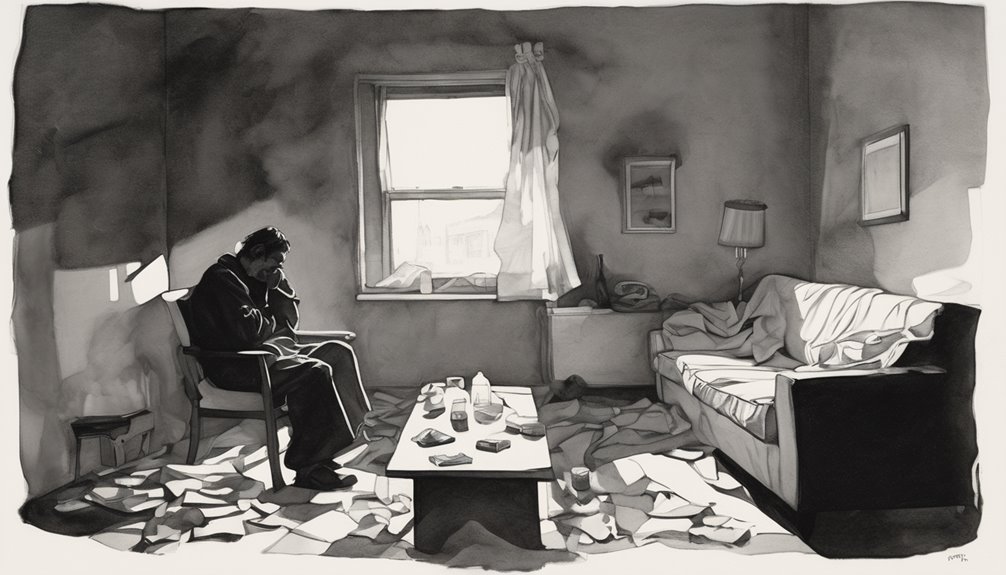
When you stop taking Zepbound, you might experience a range of withdrawal symptoms that can vary in intensity.
The withdrawal timeline typically begins within a few days after discontinuation, peaking within the first week. You may notice physical effects such as headaches, fatigue, and muscle aches.
Some people report gastrointestinal issues like nausea or changes in appetite.
It’s crucial to understand that these symptoms can be uncomfortable but are often temporary. Staying hydrated and maintaining a balanced diet can help mitigate some of these physical effects.
If the symptoms become severe or persistent, don’t hesitate to consult with your healthcare provider for guidance and support.
Recognizing these signs early can aid in managing your experience effectively.
Emotional Changes After Stopping Zepbound
Stopping Zepbound can lead to significant emotional changes that may catch you off guard. You might experience a range of feelings that can be unsettling.
Here are some common emotional shifts to watch for:
- Mood Fluctuations: You may find your emotions swinging unexpectedly, leading to feelings of joy one moment and sadness the next.
- Anxiety Spikes: Increased anxiety can occur, making it challenging to cope with daily stressors.
- Irritability: You might notice heightened irritability, affecting your interactions with others.
- Feelings of Isolation: A sense of loneliness may creep in, even if you’re surrounded by people.
Understanding these changes can help you navigate this transition more effectively.
Practical Tips for Managing Zepbound Discontinuation Symptoms

Navigating the symptoms of Zepbound discontinuation can be challenging, but with the right strategies, you can manage them effectively.
Start by establishing a robust support system. Reach out to friends, family, or support groups who understand what you’re going through. Their encouragement can make a significant difference.
Incorporate coping strategies like mindfulness, meditation, or light exercise to help alleviate anxiety and mood swings. Keeping a daily journal can also provide insight into your emotional changes, helping you identify patterns.
Additionally, maintain a routine to create stability in your day-to-day life. Lastly, stay hydrated and eat balanced meals, as physical health greatly impacts mental well-being.
How to Know When to Seek Professional Help?
How can you tell if it’s time to seek professional help after stopping Zepbound? It’s crucial to monitor your well-being closely. Here are some self-assessment strategies to consider:
- Persistent Symptoms: If you experience ongoing emotional or physical symptoms that interfere with daily life.
- Increased Anxiety: If your anxiety levels spike or become unmanageable.
- Support Network Feedback: If friends or family express concern about your mood or behavior.
- Self-Care Challenges: If you find it hard to engage in self-care activities that once brought you joy.
Listening to your body and reaching out for help is vital.
Don’t hesitate to lean on your support network for guidance during this transition.
Medication Alternatives and Lifestyle Changes After Zepbound

Once you’ve decided to stop Zepbound, exploring medication alternatives and making lifestyle changes can significantly support your recovery.
Consider discussing with your healthcare provider about options like GLP-1 receptor agonists or other weight management medications that align with your goals.
In addition to medication, implementing dietary adjustments is crucial. Focus on whole foods, balanced meals, and portion control to enhance your health.
Don’t underestimate the power of exercise routines, either. Regular physical activity boosts metabolism and improves mood. Aim for a mix of cardio and strength training to keep things engaging.
Frequently Asked Questions
How Long Does It Take to Feel Normal After Stopping Zepbound?
You may feel normal within a few weeks after stopping Zepbound, but withdrawal symptoms and emotional changes can linger. Everyone’s experience varies, so it’s essential to monitor your feelings and consult a healthcare professional.
Can Zepbound Affect Sleep Patterns After Discontinuation?
Yes, stopping Zepbound can affect your sleep patterns. You might experience sleep disturbances or even insomnia onset. It’s crucial to monitor your sleep and consult a healthcare provider if issues persist.
Are There Long-Term Effects of Stopping Zepbound?
Yes, stopping Zepbound can lead to withdrawal symptoms and emotional fluctuations. You might experience mood swings, anxiety, or irritability as your body adjusts. Monitoring your mental health during this transition is essential for your well-being.
Will I Experience Weight Changes After Stopping Zepbound?
Yes, you might experience weight changes after stopping Zepbound. Many people face weight rebound and appetite changes, which can lead to gaining back lost weight. Monitoring your diet and activity levels can help manage this.
Is It Safe to Stop Zepbound Abruptly or Should It Be Tapered?
It’s not safe to stop Zepbound abruptly; tapering is recommended to reduce withdrawal symptoms. Consult your healthcare provider for medication alternatives that suit your needs and ensure a smoother transition off the medication.
Conclusion
Navigating life after stopping Zepbound can feel like steering a ship through stormy seas, but you’re not alone. With the right support and coping strategies, you can find your way to calmer waters. Remember to prioritize self-care, stay connected with others, and seek professional help if needed. By focusing on your well-being and exploring alternatives, you can reclaim your stability and thrive in this new chapter of your life.