Did you know that nearly 80% of people on weight loss medications can enhance their results by adjusting their diet? When you’re using these drugs, it’s crucial to focus on nutrient-dense foods that support your body’s needs. Understanding how to effectively combine your medication with proper nutrition can make all the difference in your weight loss journey. Discovering the right foods and practices can empower you to achieve your goals more efficiently.
Essential Nutrients That Enhance Weight Loss Medication
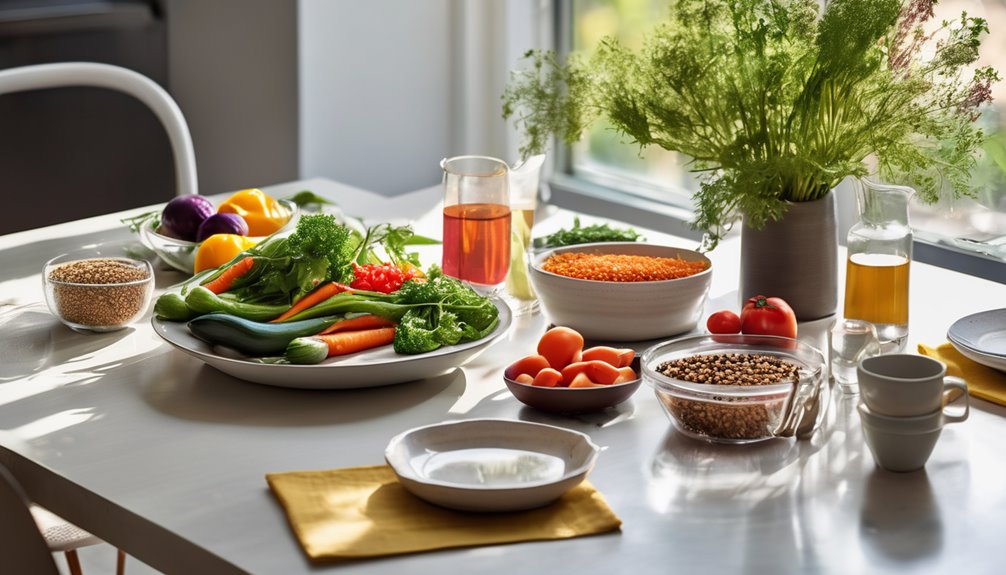
When you’re on weight loss medication, incorporating essential nutrients can significantly boost the effectiveness of your treatment. Focus on vitamins and minerals that enhance nutrient absorption, such as magnesium and zinc, which can help optimize your body’s processes.
Omega-3 fatty acids also play a crucial role in reducing inflammation and improving metabolic health. Be cautious about medication interactions; for instance, certain medications might interfere with the absorption of specific nutrients.
To minimize this risk, consider spacing out your supplements and medications. Incorporate whole foods like leafy greens, nuts, and fish into your diet for a well-rounded approach.
How Weight Loss Medications Influence Your Diet
As you embark on a weight loss journey with medication, it’s essential to recognize how these drugs can shape your dietary choices. Weight loss medications often promote appetite control, making it easier to resist cravings and reduce portion sizes.
This newfound control allows you to focus on nutrient-dense foods that support your goals.
Moreover, some medications can enhance your metabolic effects, helping your body burn calories more efficiently. This means you mightn’t need to restrict calories as drastically, allowing you to enjoy a more balanced diet.
Understanding these influences can empower you to make healthier choices that align with your weight loss goals, optimizing the benefits of your medication while ensuring you receive the nutrients your body needs.
Foods to Embrace and Avoid While on Weight Loss Medication
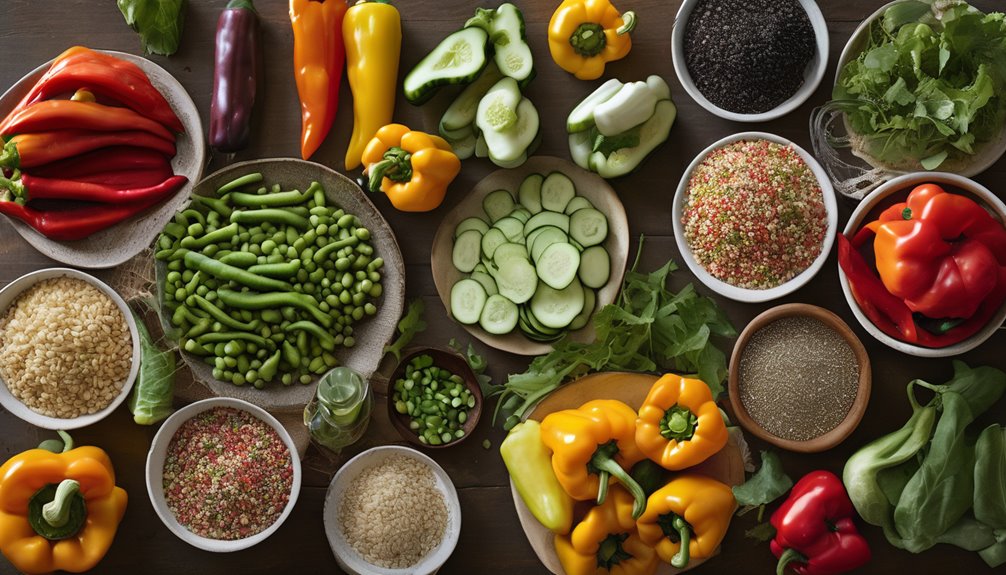
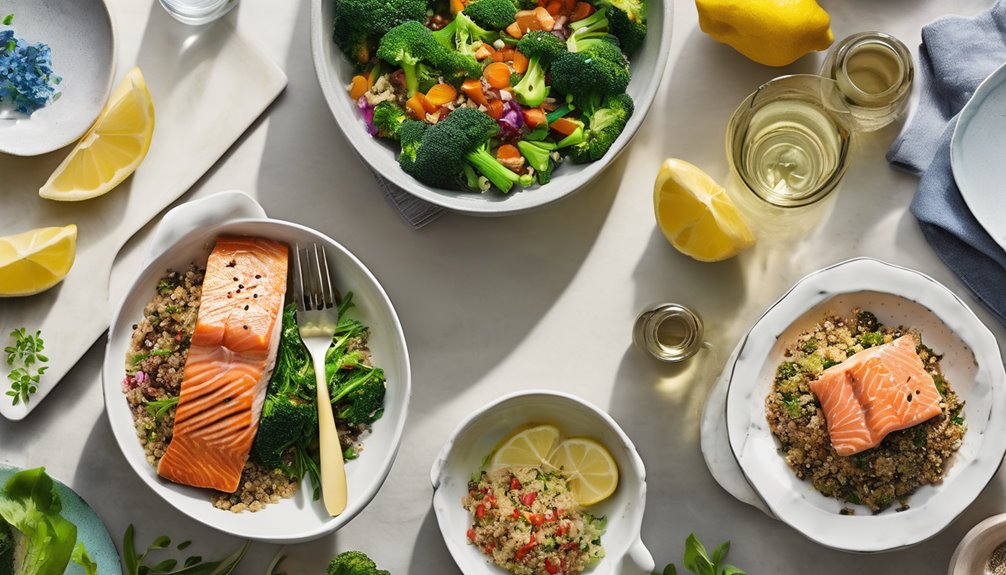
While navigating your weight loss journey with medication, choosing the right foods can significantly enhance your results. Focus on nutrient-dense meals, like lean proteins, whole grains, and plenty of fruits and vegetables.
Incorporate healthy snacks, such as nuts or yogurt, to curb food cravings and maintain energy levels. Meal prep can simplify your week and help with portion control, ensuring you stick to your goals.
Embrace mindful eating; savor each bite to better recognize when you’re full. Avoid processed foods high in sugar and unhealthy fats, which can derail your progress.
Opt for healthier cooking methods, like steaming or grilling, to keep your meals balanced and nutritious. Your choices today set the stage for your success tomorrow.
Does Meal Timing Affect Your Weight Loss?
Meal timing can play a significant role in your weight loss journey, especially when combined with medication. By focusing on meal frequency and snack timing, you can enhance your metabolic rate and better manage hunger cues.
Meal prep is essential; preparing balanced meals in advance helps with portion control, ensuring you don’t overeat. Eating at regular intervals can stabilize your energy levels, preventing dips that often lead to cravings.
Pay attention to your body’s hunger cues and try to eat mindfully. This approach not only supports cravings management but also fosters a healthier relationship with food.
Ultimately, aligning your meal timing with your lifestyle and medication can make a meaningful difference in your weight loss efforts.
How Hydration Can Boost Your Weight Loss Efforts

Staying properly hydrated can significantly enhance your weight loss efforts, especially when you’re on weight loss medications. Adequate water intake supports metabolism and can help control hunger.
Research shows that drinking water before meals can lead to reduced calorie consumption, making it a smart hydration strategy. Aim for at least eight 8-ounce glasses of water daily, adjusting based on your activity level and climate.
Incorporating herbal teas or flavored water can also increase your overall water intake if plain water feels boring. Additionally, consuming water-rich foods like fruits and vegetables can contribute to hydration while providing essential nutrients.
Practical Tips for Eating Well While on Weight Loss Medication
Eating well while on weight loss medication can be a game changer for your success. Start with meal planning—preparing balanced meals in advance helps you stick to your goals.
Focus on portion control; using smaller plates can naturally reduce your intake. Practice mindful eating by savoring each bite, which improves nutrient absorption and helps you recognize when you’re full.
For cravings management, opt for healthy swaps, like choosing whole grains instead of refined ones. Experiment with cooking methods—grilling or steaming instead of frying can keep meals lighter.
Finally, make smart snack choices; keep healthy options like fruits and nuts handy to curb hunger without excess calories. These strategies can support your weight loss journey effectively.
Frequently Asked Questions
Can I Drink Alcohol While Taking Weight Loss Medications?
You should avoid alcohol while taking weight loss medications, as it can lead to harmful interactions and hinder your progress. Focus on healthy weight loss tips instead to maximize your results and maintain your well-being.
How Long Should I Stay on Weight Loss Drugs?
You should follow your doctor’s advice regarding medication duration. Typically, it’s essential to adhere to dosage guidelines for optimal results. Regular check-ins with your healthcare provider can help determine the right time for adjustments.
Are There Specific Side Effects Related to Food Choices?
Yes, weight loss drugs can lead to food cravings and affect meal timing. You might find yourself craving certain foods more intensely, so planning meals and snacks can help manage those urges effectively.
Can I Take Supplements With Weight Loss Medications?
You can take supplements with weight loss medications, but be cautious. Some herbs might interact with the drugs, affecting vitamin absorption. Always consult your healthcare provider to ensure safety and effectiveness before combining them.
Will My Weight Loss Medications Affect My Metabolism?
Ever wonder if weight loss medications can rev up your metabolism? They might boost it, but drug interactions can complicate things. Always consult your healthcare provider to ensure safe, effective use for your specific needs.
Conclusion
Incorporating nutrient-dense foods while on weight loss medication is crucial for maximizing results. For example, Sarah, who combined a weight loss drug with a balanced diet of lean proteins and veggies, saw significant progress over three months. By focusing on hydration and mindful eating, she curbed her cravings and maintained energy. Remember, it’s not just about the medication—your food choices can make all the difference in your weight loss journey. Stay committed, and you’ll see the results!