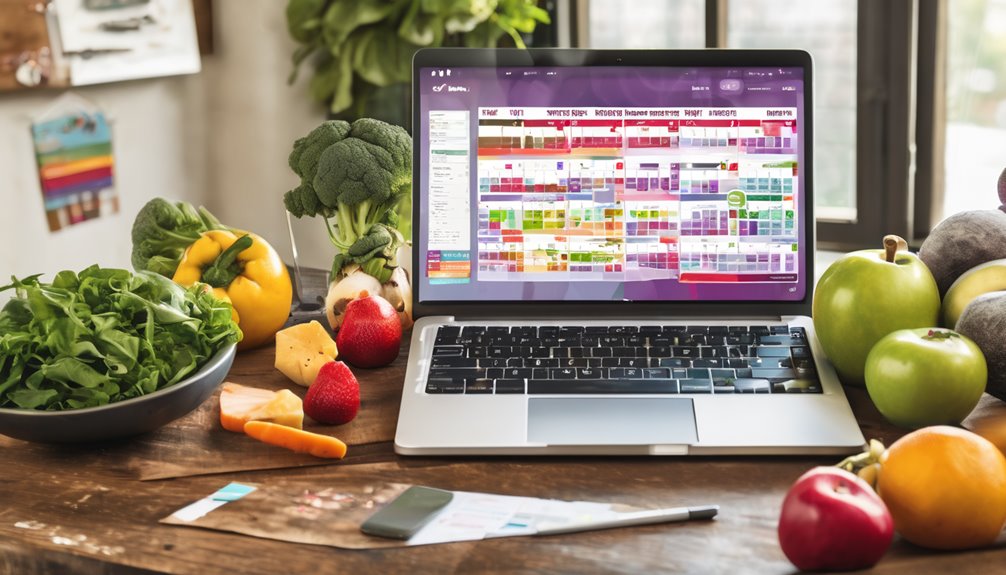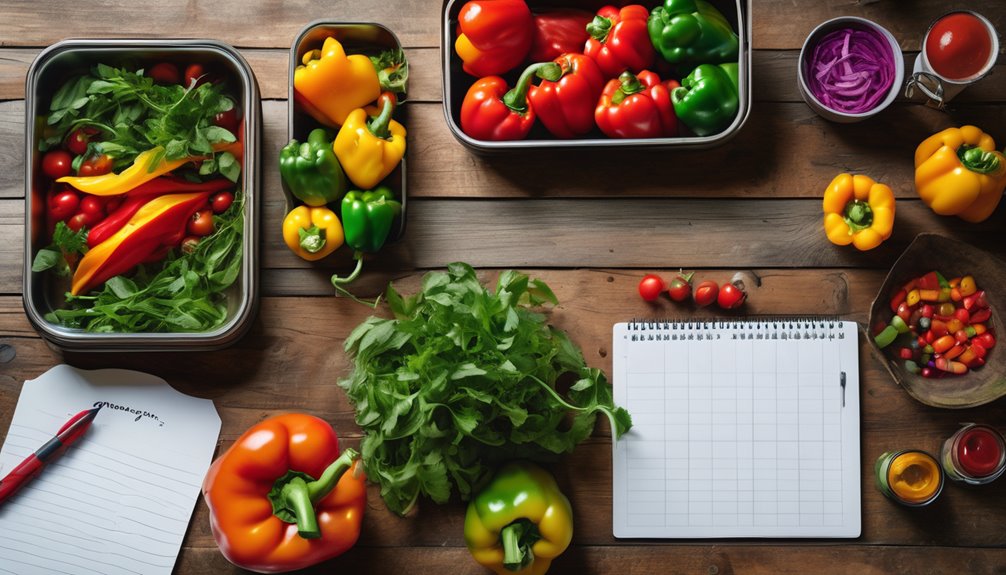
Meal planning can transform your hectic schedule into a more manageable routine. With the right tools, you can streamline grocery shopping, enhance cooking efficiency, and reduce food waste. Simple items like organized grocery lists and effective storage solutions can make a significant difference. Plus, utilizing kitchen gadgets can save you time in the kitchen. Ready to explore how these tools can elevate your meal planning experience? Let’s look at the essentials you need to get started.
Key Takeaways
- Grocery List: Create a detailed list to organize shopping, save time, and reduce waste effectively.
- Prep Containers: Use portion-controlled containers for easy storage and reheating of prepped meals.
- Kitchen Gadgets: Invest in tools like slicers and slow cookers to simplify cooking and enhance efficiency.
- Recipe Organization: Keep a curated collection of recipes for quick access and streamlined meal planning.
- Food Storage: Utilize airtight containers to maintain ingredient freshness and extend shelf life.
How Meal Planning Can Simplify Your Busy Life
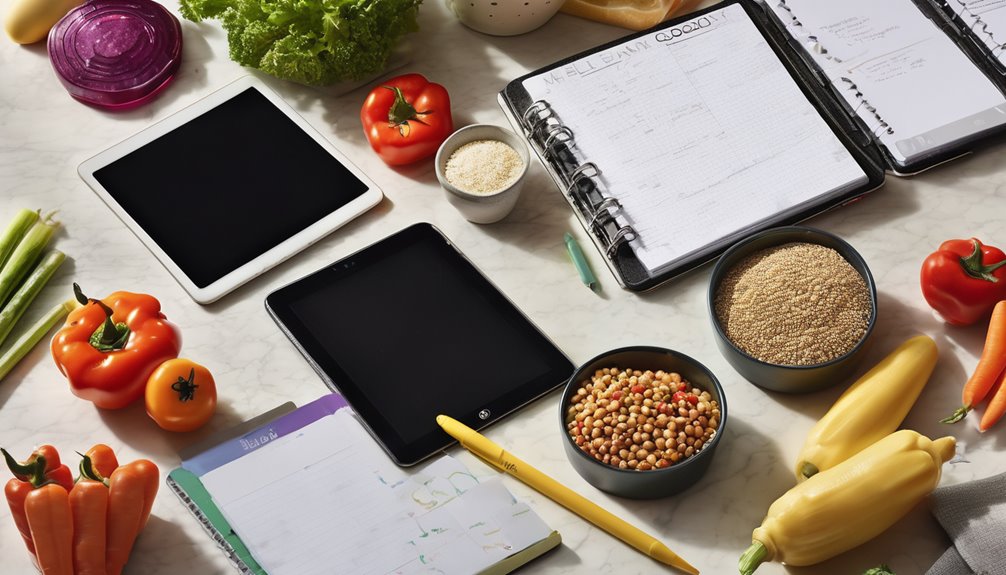
When you’re juggling work, family, and social commitments, meal planning can be a game-changer. By organizing your meals for the week, you not only streamline grocery shopping but also enhance your time management skills.
Take a bit of time on the weekend to decide what you’ll eat and create a shopping list. This simple act can save you countless hours during the week, reducing the stress of last-minute cooking.
Studies show that people who plan meals are less likely to resort to unhealthy takeout options. Plus, you’ll find that having a plan helps you use ingredients efficiently, minimizing waste.
Ultimately, meal planning lets you savor more moments with loved ones instead of scrambling to figure out what to eat.
Essential Tools for Streamlined Meal Prep
Having the right tools can transform your meal prep experience, making it both efficient and enjoyable. Here’s a quick guide to essential tools that can help you streamline your process:
| Tool | Purpose | Benefits |
|---|---|---|
| Grocery List | Organizes shopping | Saves time and reduces waste |
| Prep Containers | Stores prepped meals | Supports portion control |
| Kitchen Gadgets | Simplifies cooking | Enhances efficiency |
| Food Storage | Keeps ingredients fresh | Maximizes shelf life |
| Recipe Organization | Keeps ideas accessible | Eases planning |
With effective time management and the right kitchen gadgets, your meal prep will become a breeze. Embrace these tools to elevate your cooking experience and enjoy delicious, healthy meals throughout the week!
Choose the Right Meal Planning App?
How can you choose the right meal planning app to fit your needs? Start by assessing app features that matter most to you, like recipe databases and meal reminders.
Look for user reviews to gauge satisfaction and real-world usability. If you’re on a budget, explore options that won’t break the bank but still offer robust integration capabilities with your grocery lists or delivery services.
User reviews can reveal satisfaction levels and practicality; find budget-friendly apps that integrate well with grocery lists and delivery services.
A user-friendly interface is essential; it should make meal planning enjoyable, not overwhelming.
Consider customization options that allow you to tailor plans according to your dietary preferences.
Create Your Weekly Meal Schedule Easily
Creating a weekly meal schedule can streamline your grocery shopping and save you time in the kitchen. By planning ahead, you can ensure you’re using meal prep essentials effectively. Start by choosing simple recipes that fit your lifestyle and dietary needs. Here’s a quick template to help you visualize your week:
| Day | Meal Ideas |
|---|---|
| Monday | Grilled chicken, veggies |
| Tuesday | Tacos with beans |
| Wednesday | Pasta with marinara |
| Thursday | Stir-fry with tofu |
Incorporate time-saving techniques, like batch cooking or using leftovers creatively. This not only simplifies your week but also makes mealtime enjoyable. With a little planning, you’ll feel more organized and less stressed.
How to Budget Effectively for Meal Planning
While meal planning can help you save time, budgeting effectively is essential to keep your grocery costs in check. Start by setting a clear monthly budget for groceries, then stick to it.
Use meal cost tracking to understand where your money goes; apps or spreadsheets can simplify this process. Focus on versatile ingredients that can be used in multiple meals to maximize value.
Planning meals around sales and seasonal produce can also cut costs significantly. Don’t forget to incorporate leftovers into your planning—this not only minimizes waste but also stretches your budget further.
Meal Planning: Simple Recipe Resources to Inspire Your Menu
Finding the right recipe resources can make meal planning feel less daunting and more enjoyable. Explore websites, apps, and cookbooks that offer diverse recipe inspiration tailored to your taste.
Platforms like Pinterest and Instagram are fantastic for discovering meal variety—simply search for themes or ingredients you love. Meal planning apps can help streamline your process, allowing you to save recipes, create shopping lists, and even share ideas with friends.
Don’t shy away from experimenting; rotate your go-to dishes with new ones to keep things fresh. Remember, the goal is to create meals that excite you and fit your lifestyle.
Using Seasonal Ingredients in Your Meal Plan
Incorporating seasonal ingredients into your meal plan not only enhances flavor but also supports sustainable eating habits. By choosing locally sourced produce, you benefit from ingredient availability and cost efficiency, making your meals both budget-friendly and fresh. Seasonal benefits include higher nutrient density, as fruits and vegetables are harvested at their peak.
Here’s a quick reference table for seasonal ingredients:
| Season | Ingredients |
|---|---|
| Spring | Asparagus, Peas |
| Summer | Tomatoes, Zucchini |
| Fall | Pumpkins, Apples |
| Winter | Kale, Citrus Fruits |
Using seasonal ingredients encourages culinary creativity and increases meal variety, helping you enjoy the best flavors nature has to offer while supporting your community.
Batch Cooking: Easy Tips for Prepping Meals Ahead
Batch cooking can significantly simplify your weekly meal prep, helping you save time and reduce stress. By embracing bulk cooking, you can enhance your time management skills and ensure your meals are ready when you need them.
Start with ingredient prep—chop vegetables and marinate proteins in advance for maximum flavor infusion. Portion control is key; divide meals into individual servings for easy grab-and-go options.
Start by prepping ingredients—chop veggies and marinate proteins ahead of time for flavorful, convenient meals. Remember to portion for easy access!
Don’t forget about freezer meals—prepare large batches of soups or casseroles to enjoy later. Rotate your recipes to keep things exciting and balanced, benefiting your health and taste buds.
With these simple tips, you’ll streamline your cooking process and enjoy nutritious meals throughout the week.
Storing and Reheating Leftovers Safely
After preparing meals in bulk, knowing how to store and reheat leftovers safely is just as important.
Start by using airtight containers for your leftover storage; this helps prevent bacteria growth and keeps food fresh. Label each container with the date, so you know when to use them. Generally, consume leftovers within three to four days.
When it’s time to reheat, aim for an internal temperature of 165°F to eliminate any foodborne pathogens. Use the microwave, stove, or oven—each offers effective reheating techniques. Stirring during reheating helps ensure even warmth.
And remember, never refreeze leftovers once they’ve been reheated. Following these simple guidelines keeps your meals delicious and safe for you and your loved ones.
Maintaining Flexibility in Your Meal Plan
While planning meals can provide structure, it’s essential to maintain flexibility to accommodate unexpected events or cravings. Embrace flexible options in your meal plan, allowing you to swap ingredients or meals when life throws you a curveball.
For instance, if you planned a stir-fry but crave tacos, don’t hesitate to pivot! Having versatile ingredients on hand, like frozen veggies or canned beans, can help you whip up spontaneous meals without feeling guilt.
Consider setting aside one or two days each week for unplanned dishes, encouraging creativity in the kitchen. This approach not only keeps your meals exciting but also reduces stress.
Frequently Asked Questions
How Do I Involve My Family in Meal Planning?
Involve your family by discussing preferences during meal planning. Assign cooking roles based on interests, letting everyone contribute. This not only fosters teamwork but also creates a shared experience that strengthens your family bond.
What Are Common Meal Planning Mistakes to Avoid?
Are you making these meal planning mistakes? Avoid overspending during grocery shopping, neglecting time management, ignoring portion control, and sticking to the same recipe rotation. Diversify your meals for better nutrition and enjoyment!
How Can I Stay Motivated With Meal Planning?
To stay motivated with meal planning, embrace meal prep and grocery organization. Focus on time management, rotate recipes, use seasonal ingredients, and create budget-friendly meals. This approach keeps things fresh and enjoyable for you.
Are There Meal Planning Resources for Special Diets?
Absolutely! You’ve got a treasure trove of special diet apps, recipe websites, and nutrition guidelines at your fingertips. Meal prep becomes a breeze with tailored resources designed just for your unique dietary needs!
How Often Should I Update My Meal Plan?
You should update your meal plan frequently, ideally every week or bi-weekly. This allows for seasonal adjustments, keeping your meals fresh and aligned with your dietary needs. It’s a simple way to stay organized and inspired.
Conclusion
By embracing these simple tools for meal planning, you’ll transform your kitchen into a well-orchestrated symphony of flavors and efficiency. With a streamlined grocery list, handy prep containers, and effective storage solutions, you’ll not only save time but also reduce waste and enjoy fresh meals. Keep your approach flexible, and let the seasons inspire your menu. Soon, meal planning will feel less like a chore and more like a delightful dance in your culinary journey.