Did you know that nearly 70% of adults in the U.S. are classified as overweight or obese? Understanding your body fat percentage can be a game-changer in your health journey. It goes beyond the scale, offering insights into your overall wellness and fitness goals. Curious about how to accurately measure your body fat and what it means for your lifestyle choices? Let’s explore the benefits and methods of using a body fat calculator effectively.
Key Takeaways
- A body fat calculator provides a comprehensive view of health, beyond just weight, influencing body image and self-perception.
- Accurate measurements, including age, gender, and waist size, are essential for reliable body fat percentage results.
- Regular assessments help track body fat changes over time, aiding in informed lifestyle choices for weight management.
- Different methods, such as DEXA scans and skinfold measurements, offer various levels of precision in determining body fat.
- Nutrition plays a vital role in body composition; balanced meals support fat loss and muscle gain alongside exercise.
Why Body Fat Percentage Matters
Understanding why body fat percentage matters can significantly impact your health journey. It shapes your body image, influencing how you feel and perceive yourself.
Maintaining a healthy body fat percentage can lower health risks like heart disease and diabetes. It connects directly to your fitness levels, metabolic rate, and even athletic performance.
If you’re aiming for weight loss, knowing your body fat percentage helps you make informed lifestyle choices, guiding your nutrition and exercise plans.
Plus, as you age, body fat distribution changes, affecting your overall health.
By focusing on this key metric, you can take charge of your well-being, optimizing your physical condition and enhancing your quality of life.
Embrace this knowledge—it’s a crucial step toward a healthier you.
How to Use a Body Fat Calculator
While many people focus on weight alone, using a body fat calculator provides a clearer picture of your health. Understanding your body composition is essential, as it reveals more than just numbers on a scale.
To use a body fat calculator effectively, input your measurements accurately; this ensures measurement accuracy and reliable results. Most calculators require details like your age, gender, height, and weight. Some may even ask for waist and hip measurements.
Regular fitness assessments can help you track changes in your body fat percentage over time, serving as valuable health indicators. By monitoring these figures, you’ll gain insights into your overall wellness, helping you make informed decisions about your fitness journey.
Different Body Fat Calculator Methods
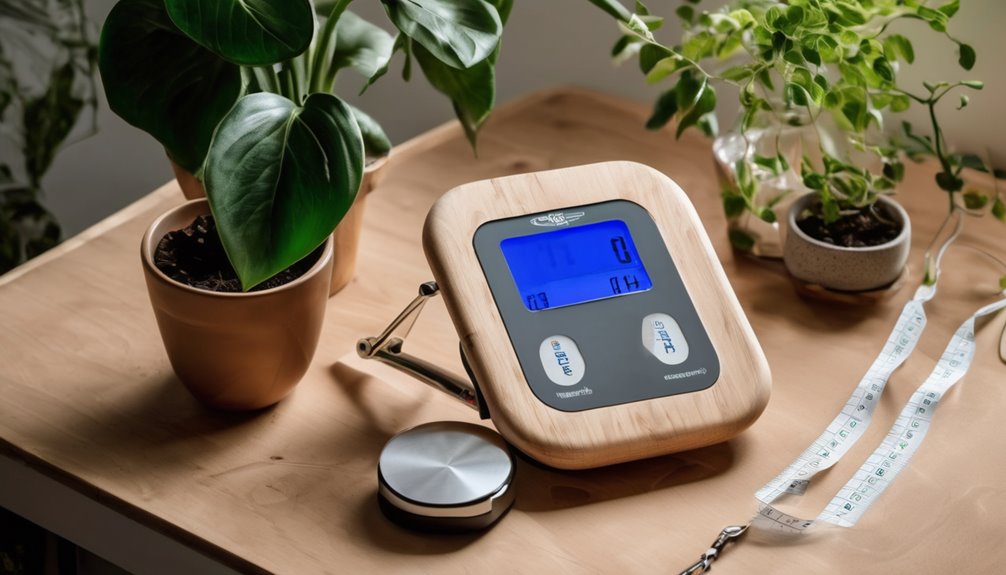
Body fat calculators come in various methods, each providing unique insights into your body composition.
Skinfold measurements use calipers to assess fat at specific body sites, giving you a quick estimate. Bioelectrical impedance sends a small electrical current through your body to measure resistance, offering a convenient at-home option.
DEXA scans are more advanced, using X-ray technology for precise body fat distribution analysis. Hydrostatic weighing, while less common, measures your weight underwater to determine body density.
Lastly, circumference measurements involve tracking specific body areas, like your waist and hips, to gauge fat levels. Each method has its strengths, so choosing one that fits your lifestyle and comfort level is essential for understanding your body better.
Setting Realistic Fitness Goals Using Your Body Fat Percentage
Setting realistic fitness goals hinges on your body fat percentage, as it provides a clear picture of your current health status.
By understanding where you stand, you can effectively visualize your goals and create a roadmap to achieve them. Whether you aim to lose fat, gain muscle, or maintain your current weight, knowing your body fat percentage helps you set attainable targets.
This awareness also plays a crucial role in injury prevention; when you’re informed about your body composition, you can tailor your workouts to avoid strain.
Effective Strategies for Monitoring Progress and Boosting Motivation
Tracking your progress is key to staying motivated on your fitness journey. Use tools like fitness apps or journals to log your workouts and body measurements. This progress tracking helps you see how far you’ve come and keeps you accountable.
Set mini-goals along the way, celebrating each small victory. These motivation techniques can reignite your passion when you hit a plateau. Consider sharing your journey with friends or joining a community; support can amplify your motivation.
Visual reminders, like progress photos, can also boost your spirits. Remember, every step forward counts, no matter how small. Stay focused on your goals, and keep adjusting your strategies to maintain that spark of enthusiasm.
You’ve got this!
Nutrition Strategies to Improve Body Composition
While it’s easy to focus solely on exercise, nutrition plays a critical role in improving body composition. To enhance your results, pay attention to meal timing; eating balanced meals and snacks throughout the day can keep your energy levels stable and prevent overeating.
Prioritize foods with high nutrient density—think leafy greens, lean proteins, and healthy fats. These choices fuel your body effectively without excess calories. Additionally, consider spreading your protein intake evenly across meals to support muscle synthesis.
Prioritize nutrient-dense foods like leafy greens, lean proteins, and healthy fats to fuel your body without excess calories.
Hydration also matters; drinking enough water can aid digestion and performance. By combining strategic meal timing with nutrient-dense foods, you’ll set a strong foundation for achieving your body composition goals.
Embrace these strategies, and you’ll feel the difference!
Debunking Myths About Body Fat and Health
Many people hold misconceptions about body fat and its relationship to health, believing that a higher body fat percentage automatically signals poor health.
In reality, body fat plays a complex role in your overall well-being. It’s essential to differentiate between essential fat, which supports vital functions, and excess fat, which can pose risks.
Health myths often suggest that all body fat is harmful, but genetics, muscle mass, and distribution matter too. You can be fit and healthy with a higher body fat percentage if you maintain an active lifestyle and balanced nutrition.
Instead of focusing solely on numbers, consider how you feel and function. Understanding these body fat misconceptions can empower you to make informed choices for your health.
Frequently Asked Questions
Can Body Fat Percentage Vary by Age and Gender?
Yes, your body fat percentage can vary by age and gender. Age differences often lead to hormonal changes, while gender impact influences fat distribution, making understanding these factors crucial for maintaining a healthy body composition.
How Often Should I Measure My Body Fat Percentage?
You should measure your body fat percentage every 4 to 6 weeks. Regular assessments help track body composition changes. Choose reliable measurement methods, like skinfold calipers or bioelectrical impedance, for accurate results and progress.
What Is Considered a Healthy Body Fat Percentage?
Ah, the elusive healthy body fat percentage! For you, it’s typically 10-20% for men and 20-30% for women, aligning with your fitness goals. Embrace this range, and your body will thank you!
Does Hydration Affect Body Fat Measurements?
Yes, hydration impacts measurement accuracy. When you’re well-hydrated, your body fat readings can be more reliable. Dehydration can skew results, so keeping yourself hydrated ensures you get a clearer picture of your body composition.
Can Stress Influence Body Fat Percentage?
Yes, stress can influence body fat percentage. Elevated cortisol levels from unmanaged stress lead to fat storage, especially around the abdomen. Prioritizing stress management techniques helps keep your body balanced and supports healthier body composition.
Conclusion
Incorporating a body fat calculator into your routine isn’t just a smart choice; it’s like unlocking the secret door to your healthiest self! Imagine transforming your body and mindset as you track your progress with precision. With every measurement, you’re not just counting numbers; you’re crafting a vibrant, energetic life full of vitality. So, take the plunge—empower yourself with knowledge, chase those goals, and watch as your well-being skyrockets to astonishing heights!